
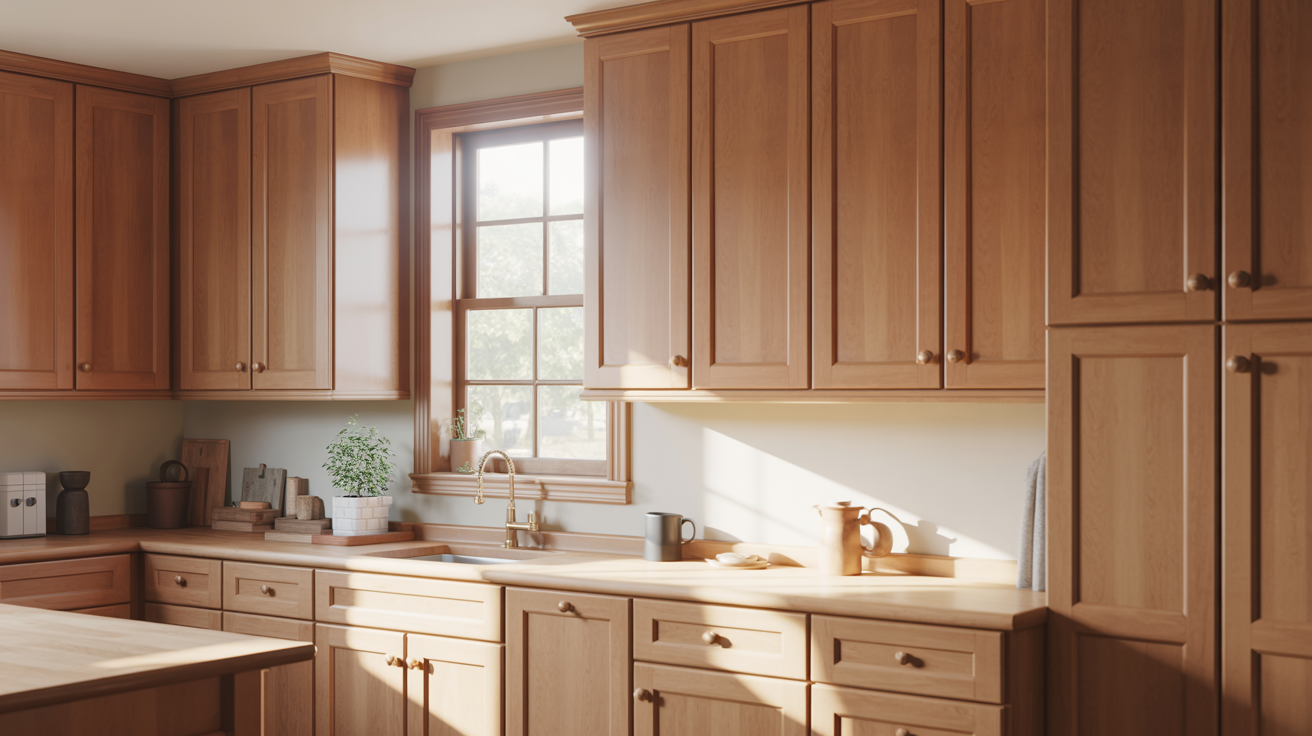
Maple kitchen cabinets are one of the best choices you can make for your kitchen. They bring a clean, bright look that works with almost any style, from modern minimalist to warm farmhouse. If you’ve been searching for cabinets that check every box, maple is likely the answer you’ve been looking for.
I’ve seen a lot of cabinet materials over the years, and maple keeps coming up as a top pick for good reason. It’s hard, smooth, and takes paint or stain beautifully. Whether you’re doing a full kitchen remodel or just upgrading your cabinets, maple gives you quality that shows.
What makes maple stand out even more is how forgiving it is for everyday life. Kitchens are busy places, and maple holds up to that chaos better than most woods. Scratches, dents, and daily wear? Maple handles them with less drama than softer woods.
Why Maple Wood Is a Top Choice for Kitchen Cabinets
Maple wood has a fine, uniform grain that makes it one of the most visually clean cabinet materials available. It doesn’t have wild knots or inconsistent patterns, which means your cabinets look polished without much effort. That consistency alone makes it a favorite among kitchen designers.
From a structural standpoint, maple is a hardwood that ranks high on the Janka hardness scale. This means it resists dents and surface damage better than woods like pine or cherry. For kitchen cabinets that take daily abuse, that hardness matters a lot.
Maple also machines well, meaning it cuts cleanly and accepts hardware without splitting or cracking. Cabinet makers love working with it because it produces precise, tight joints. That directly translates into cabinets that fit perfectly and last for decades.
Maple Cabinet Styles That Work in Any Kitchen
One thing I genuinely appreciate about maple cabinets is how well they adapt to different kitchen styles. Whether you want a sleek, handle-free modern kitchen or a more traditional shaker-style look, maple pulls it off. It’s one of the few materials that doesn’t lock you into a single aesthetic.
Shaker-style maple cabinets are especially popular right now, and for good reason. The clean lines of the shaker design pair perfectly with maple’s smooth surface. You get a timeless look that doesn’t go out of style after two or three years.
For those who love a more contemporary kitchen, flat-front maple cabinets in a painted finish work beautifully. White and off-white painted maple cabinets are among the most searched kitchen styles on design platforms like Houzz and Pinterest. They create that airy, open feeling that so many homeowners are after.
| Cabinet Style | Best Kitchen Design Match | Finish Recommendation |
| Shaker | Traditional, Transitional | Natural stain, Warm white |
| Flat-front | Modern, Contemporary | White, Gray paint |
| Raised Panel | Classic, Formal | Dark stain, Glazed |
| Beadboard | Farmhouse, Cottage | Cream, Antique white |
How Maple Cabinets Handle Staining and Painting
Maple is one of the best cabinet woods for painting, and that’s not just my opinion. Its tight, fine grain creates a smooth base that holds paint evenly without much blotching. If you want crisp, clean painted cabinets, maple gives you that finish without the headaches other woods bring.
Staining maple is a slightly different story. Because maple has a dense grain, it can absorb stain unevenly if you skip the pre-conditioning step. A good wood conditioner applied before staining helps the color go on smooth and consistent. It’s an extra step, but worth every minute.
Natural maple cabinets, left with just a clear coat, age beautifully over time. They develop a warm, honey-like tone that adds character to the kitchen. Many homeowners actually prefer this natural look because it gives the kitchen a lived-in warmth that painted finishes can’t replicate.
Maple vs. Other Cabinet Woods: A Straight Comparison
I get this question a lot: how does maple compare to oak, cherry, or birch for kitchen cabinets? Each wood has its strengths, but maple consistently holds its own across durability, appearance, and price. Here’s a clear breakdown to help you decide.
Oak is more affordable than maple but has a much more pronounced grain pattern. That grain can look dated in modern kitchens, especially if you’re going for a sleek, minimal look. Maple’s subtle grain keeps things looking clean and current.
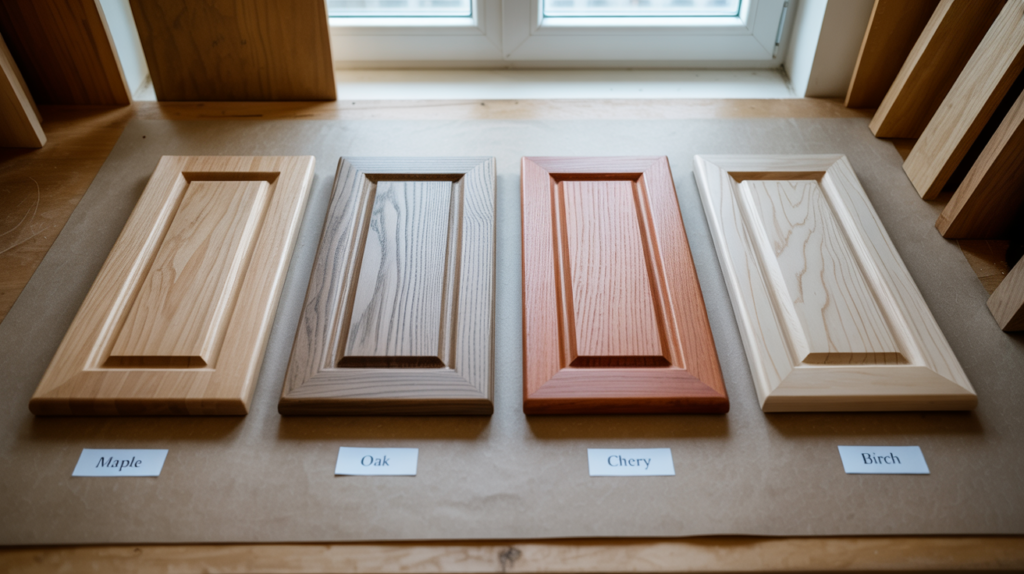
Cherry wood is gorgeous and develops a rich patina over time, but it costs significantly more than maple. Birch is cheaper and similar in appearance, but it’s softer and doesn’t hold up as well in high-traffic kitchens. Maple sits comfortably in the sweet spot between quality and cost.
| Wood Type | Hardness (Janka) | Price Range | Best For |
| Maple | 1,450 lbf | Mid-range | All kitchen styles |
| Oak | 1,290 lbf | Budget-friendly | Traditional kitchens |
| Cherry | 950 lbf | Premium | Classic, formal kitchens |
| Birch | 1,260 lbf | Budget-friendly | Low-traffic kitchens |
| Walnut | 1,010 lbf | Premium | Modern, dark aesthetics |
The Real Cost of Maple Kitchen Cabinets
Maple kitchen cabinets fall into the mid-to-upper price range, which surprises some people who expect hardwood to always be expensive. Stock maple cabinets are actually quite affordable, often starting around $100 to $300 per linear foot. Semi-custom and custom options naturally cost more, but the quality jump is noticeable.
When I think about cabinet costs, I always factor in longevity. A cheaper cabinet material that needs replacing in 10 years ends up costing more than maple cabinets that last 20 to 30 years with proper care. That long-term value is what makes maple a genuinely smart investment for most kitchens.
Installation costs vary depending on your kitchen size and the contractor you hire. On average, homeowners spend between $3,000 and $15,000 for a full maple cabinet installation, including labor. Getting at least three quotes before committing always helps you find a fair price.
Caring for Maple Kitchen Cabinets the Right Way
Maple cabinets are low-maintenance, but a little regular care goes a long way. Wiping them down with a soft, damp cloth after cooking keeps grease and grime from building up. Avoid harsh chemical cleaners because they strip the finish over time and dull the wood’s natural look.
One thing I always recommend is keeping maple cabinets away from prolonged direct sunlight. UV rays cause maple to yellow or fade unevenly, which affects the overall look of your kitchen. Simple window treatments or UV-filtering glass can protect your cabinets without any major changes.
Every few years, inspect the finish on your maple cabinets for signs of wear. Light sanding and a fresh coat of finish can make them look brand new again. That simple maintenance routine is all it takes to keep maple cabinets looking sharp for decades.
Maple Cabinets and Kitchen Resale Value
Real estate experts consistently point to kitchen quality as one of the biggest factors in home resale value. Maple cabinets signal quality to potential buyers because they look clean, feel solid, and hold up visually. A kitchen with maple cabinets photographs well, which matters more than ever in today’s online real estate market.
I’ve spoken to homeowners who upgraded to maple cabinets before selling, and almost all of them saw a positive return. Buyers notice the difference between particleboard cabinets and solid hardwood. That difference often justifies a higher asking price without much pushback.
According to Remodeling Magazine’s Cost vs. Value report, a mid-range kitchen remodel, which often includes new cabinets, recoups around 70 to 80 percent of its cost at resale. Choosing maple over cheaper alternatives puts you in the best position to maximize that return. It’s one of the smarter financial decisions you can make before listing your home.
Are Maple Cabinets Eco-Friendly?
Sustainability is something more homeowners think about before making big purchases, and maple cabinets hold up well on that front. Hard maple is widely available across North America, which means it doesn’t require long-distance shipping like some exotic hardwoods. That shorter supply chain reduces the overall carbon footprint of your cabinets.
Many maple cabinet manufacturers now source their wood from responsibly managed forests certified by the Forest Stewardship Council (FSC). Choosing FSC-certified maple cabinets means the wood was harvested without damaging the surrounding ecosystem. It’s a small detail that makes a real difference for environmentally conscious buyers.
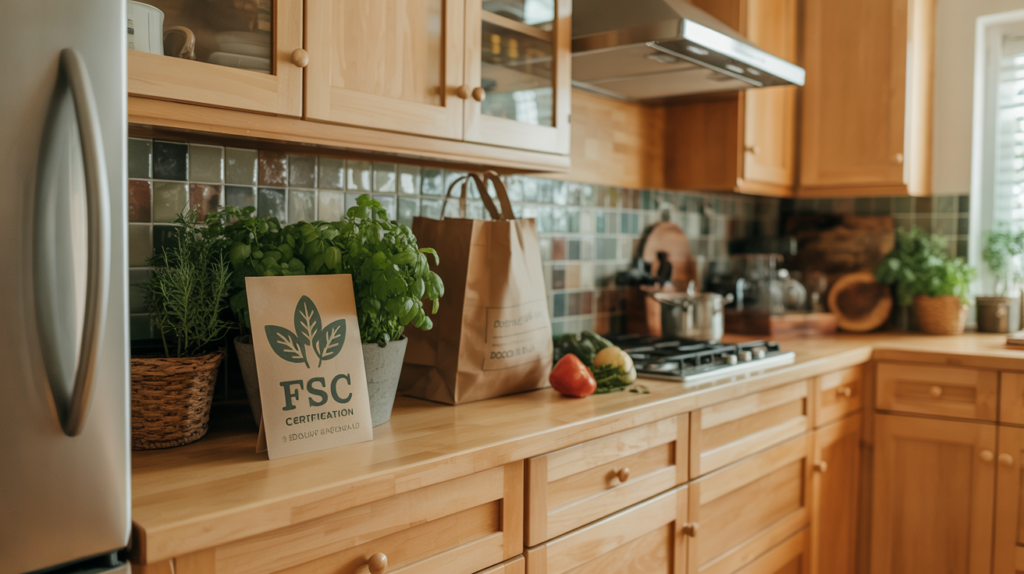
Maple’s durability also contributes to its eco-friendliness. Cabinets that last 25 to 30 years don’t end up in landfills as quickly as cheaper alternatives. When you choose quality maple cabinets, you’re essentially reducing waste over the long run, which is a win for both your home and the environment.
Best Hardware Pairings for Maple Kitchen Cabinets
Hardware choices can make or break the look of your maple cabinets, and I’ve learned this through plenty of trial and observation. Brushed nickel and matte black are two of the most popular hardware finishes for maple cabinets right now. Both complement maple’s warm, neutral tone without competing with it.
For a warmer, more traditional kitchen, brass or bronze hardware works beautifully with natural or stained maple cabinets. The warm metal tones pick up the golden undertones in the wood and create a cohesive, intentional look. It’s one of those combinations that feels curated without trying too hard.
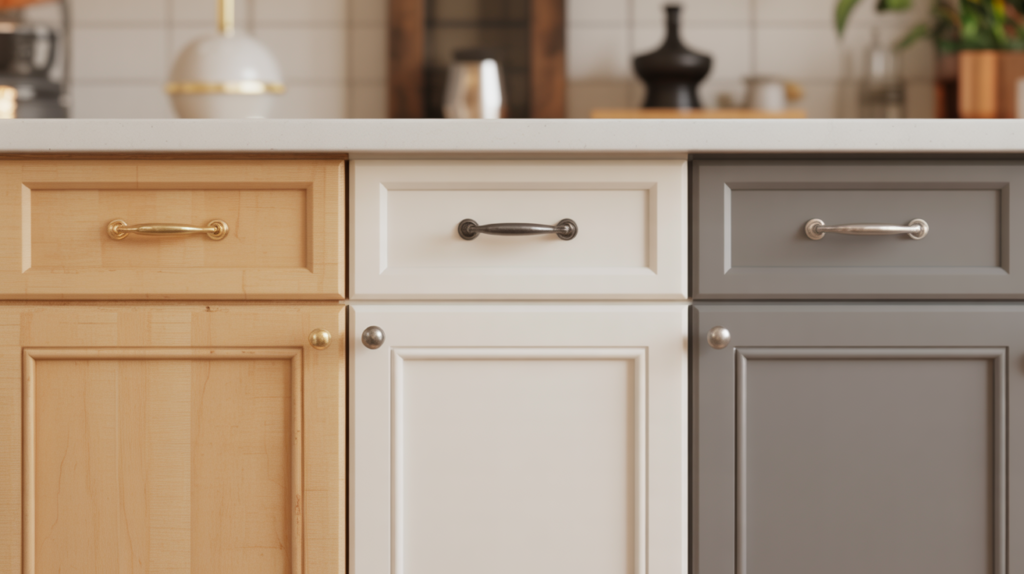
If you’re going with painted white or gray maple cabinets, matte black hardware is a strong choice. It adds contrast and a modern edge that keeps the kitchen from feeling too safe or predictable. Even small hardware upgrades can shift the entire personality of a kitchen.
| Hardware Finish | Best Maple Cabinet Color | Kitchen Style |
| Brushed Nickel | White, Gray | Modern, Transitional |
| Matte Black | White, Navy | Contemporary, Bold |
| Brass | Natural, Honey stain | Warm, Traditional |
| Bronze | Dark stain, Cream | Rustic, Farmhouse |
| Chrome | Painted finishes | Sleek, Minimalist |
Conclusion
Maple kitchen cabinets are one of the most well-rounded choices you can make for any kitchen remodel. They’re hard, smooth, and adaptable to almost every style, from modern to farmhouse. That combination of beauty and durability is what keeps maple at the top of so many homeowners’ lists.
Throughout this article, I covered why maple wood stands out structurally, how it compares to other popular cabinet woods, what it realistically costs, and how to care for it long-term. I also looked at its resale value impact, eco-friendly credentials, and the best hardware pairings to complete the look. Every one of those factors points in the same direction: maple is a sound, stylish investment.
If you’re planning a kitchen upgrade and want cabinets that age well, photograph beautifully, and hold their value, maple is hard to beat. The upfront cost is fair for what you get, and the long-term payoff makes it even more worthwhile. For most kitchens and most budgets, maple cabinets are simply one of the best decisions you can make.
Frequently Asked Questions
1. Are maple kitchen cabinets worth the cost?
Yes, maple cabinets offer excellent durability and a timeless look that holds up for decades. Their mid-range price point makes them accessible without sacrificing quality. Over time, they cost less than cheaper cabinets that need frequent replacing.
2. Can maple cabinets be painted any color?
Maple takes paint exceptionally well because of its smooth, tight grain. You can paint maple cabinets white, gray, navy, or any color you prefer. Proper priming ensures the paint adheres evenly and lasts longer.
3. How long do maple kitchen cabinets last?
With proper care, maple kitchen cabinets last 25 to 30 years or more. Regular cleaning and periodic refinishing keep them looking fresh. Their hardness makes them far more resistant to daily wear than softer wood options.
4. Do maple cabinets yellow over time?
Natural maple does develop a warm, amber tone over time, especially with sun exposure. This is a natural characteristic of the wood, not a defect. UV-protective window treatments can slow this process if you prefer the original color.
5. What is the best finish for maple kitchen cabinets?
A clear satin or semi-gloss finish works best for natural maple cabinets. For painted maple, a water-based acrylic paint with a satin sheen is most durable. Both options protect the wood while keeping maintenance simple.
What is the best, easiest, and most cost-effective way to deal with yellowed maple cabinets, (otherwise in great shape), keeping the wood look. Thank you.
The easiest and most cost-effective fix is usually to clean, lightly sand, and apply a water-based clear finish with a whitewash or “natural” tone to cancel the yellowing while keeping the maple wood visible.
Best Simple Option:
Deep clean with degreaser/TSP substitute
Lightly scuff sand (220 grit)
Apply a water-based polyurethane or cabinet topcoat labeled:
“Clear”
“Natural”
“Ultra Flat”
“Non-yellowing”
A very light white-tinted wash or toner can neutralize the orange/yellow tone without hiding the grain.
Why this works:
Keeps the natural maple look
Much cheaper than replacing or painting
Water-based finishes resist future yellowing better than oil-based ones
Avoid
Oil-based polyurethane (turns more yellow over time)
Dark stains unless you want a completely different look