
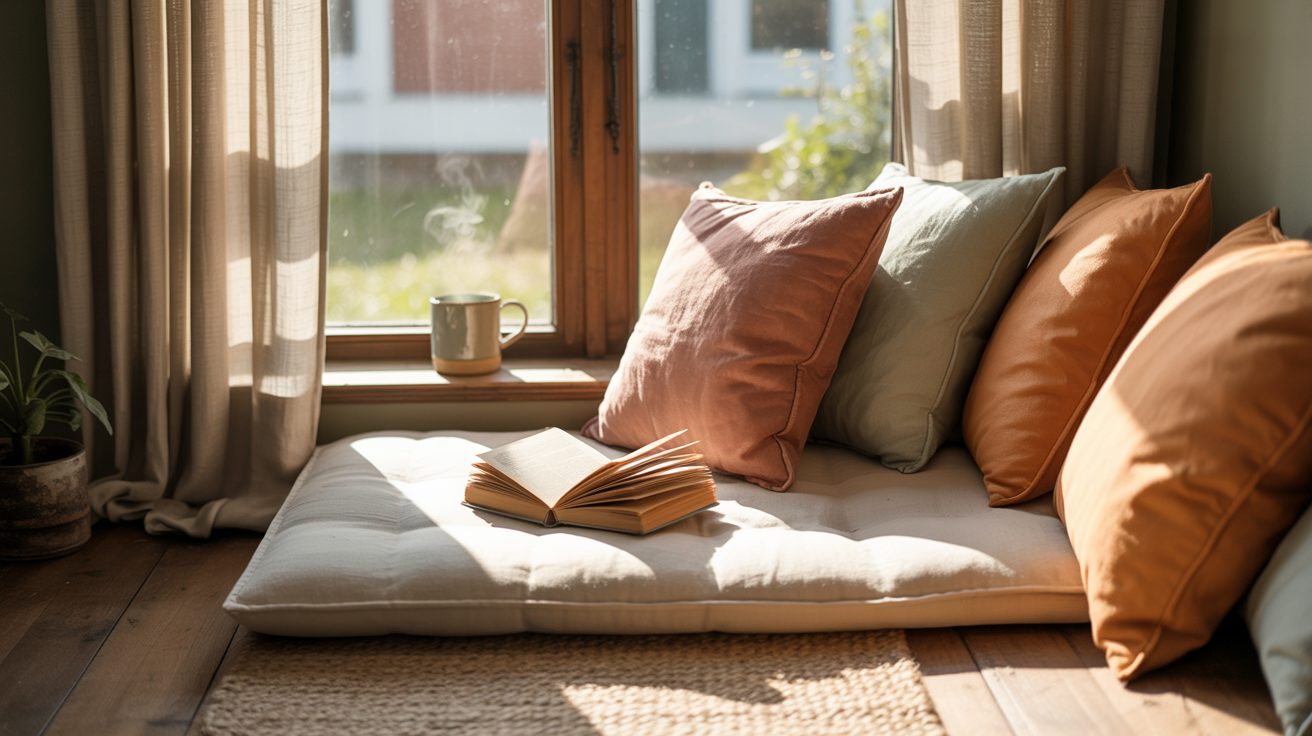
A cozy reading nook is that one quiet corner where the world slows down. You grab your book, your coffee, and suddenly that awkward space near the window becomes your happy place. It does not need a big budget or a spare room.
I have seen people transform the tiniest, most ignored spots in their homes into beautiful little retreats. A bay window, the space under the stairs, even a forgotten bedroom corner — all of them have serious reading nook potential. You just need the right ideas to get started.
This guide covers 10 cozy reading nook ideas that actually work in real homes. Whether you are renting, redecorating, or starting from scratch, there is something here for every space and every budget.
Why Every Home Deserves a Good Reading Nook
A dedicated reading spot does more than hold your book collection. It gives you a personal space to recharge, think, and breathe — something most homes are missing. Once you have one, you will wonder how you ever lived without it.
The best part is that reading nooks work in any home size. A small apartment can have a snug corner setup just as charming as a grand built-in window seat in a larger house. It is all about using what you already have.
Good reading nook design comes down to three things: comfort, lighting, and a sense of enclosure. When those three elements come together, even a plain corner starts to feel like a personal sanctuary. Keep that in mind as you browse through these ideas.
What Makes a Reading Nook Truly Cozy
| Element | Why It Matters |
| Seating | Deep, cushioned seats reduce fatigue during long reads |
| Lighting | Warm, focused light protects your eyes and sets the mood |
| Storage | Built-in shelves or baskets keep books within easy reach |
| Softness | Pillows, throws, and rugs add warmth and texture |
| Privacy | Curtains or partial walls create a sense of seclusion |
Comfort is the foundation of any good reading nook. A hard chair with poor back support will have you abandoning your book after twenty minutes. Invest in a deep seat, a good cushion, and at least one throw pillow you can hug.
Lighting is the part most people get wrong. Overhead lights are too harsh and often create shadows right where you are trying to read. A wall-mounted reading light or a small adjustable floor lamp placed beside your seat makes a huge difference.
The First 3 Reading Nook Ideas
1. Window Seat Reading Nook
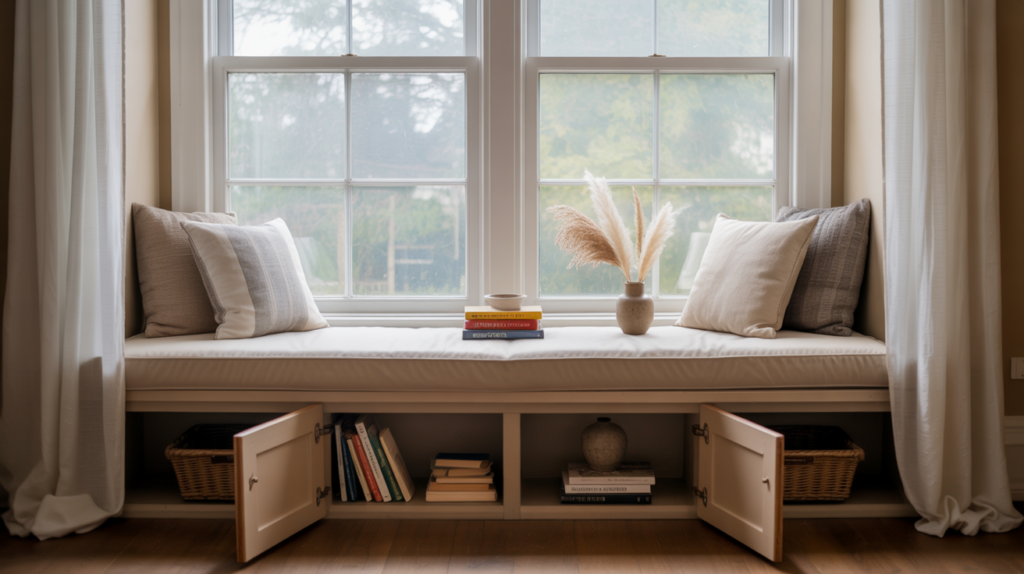
A window seat reading nook is probably the most popular option, and honestly, it earns that title every time. Natural light, a built-in bench, and a view outside — it is hard to beat that combination. If your home has a bay window or even a standard deep-sill window, you already have a head start.
The seat itself can double as storage. A hinged bench top with a hollow space underneath holds extra blankets, books, or seasonal items without adding any visual clutter. Add a thick cushion on top and a couple of throw pillows, and it looks like something straight out of a home magazine.
For styling, keep the window area light and airy. Sheer curtains work beautifully here because they soften the light without blocking it. A small side table or a built-in shelf on one side completes the setup nicely.
2. Under-the-Stairs Reading Nook
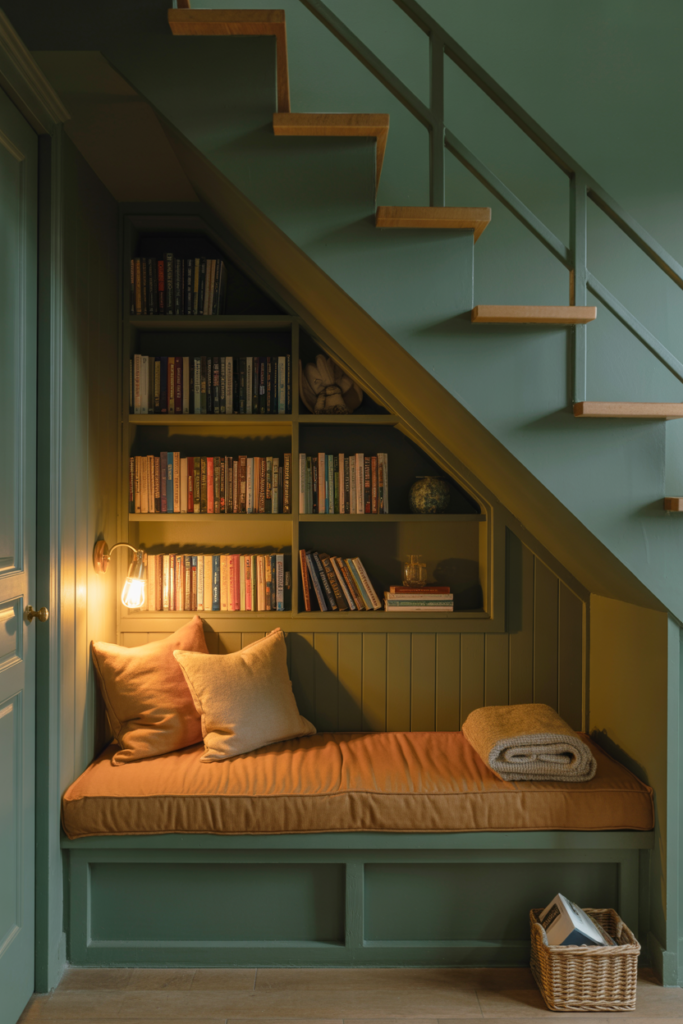
The space under the stairs is one of the most underused areas in any home. Most people either ignore it or use it as a junk storage spot. Turning it into a reading nook is one of the smartest small-space moves you can make.
A built-in bench with cushions fits perfectly in this alcove shape. The slanted ceiling above actually adds to the cozy, tucked-in feeling rather than taking away from it. Add a small reading light, some floating shelves for books, and maybe a soft rug underfoot.
This spot naturally feels private and enclosed, which is exactly what a good reading nook should feel like. Kids absolutely love this kind of hideaway setup, but adults are just as guilty of claiming it for themselves.
3. Bedroom Corner Reading Nook
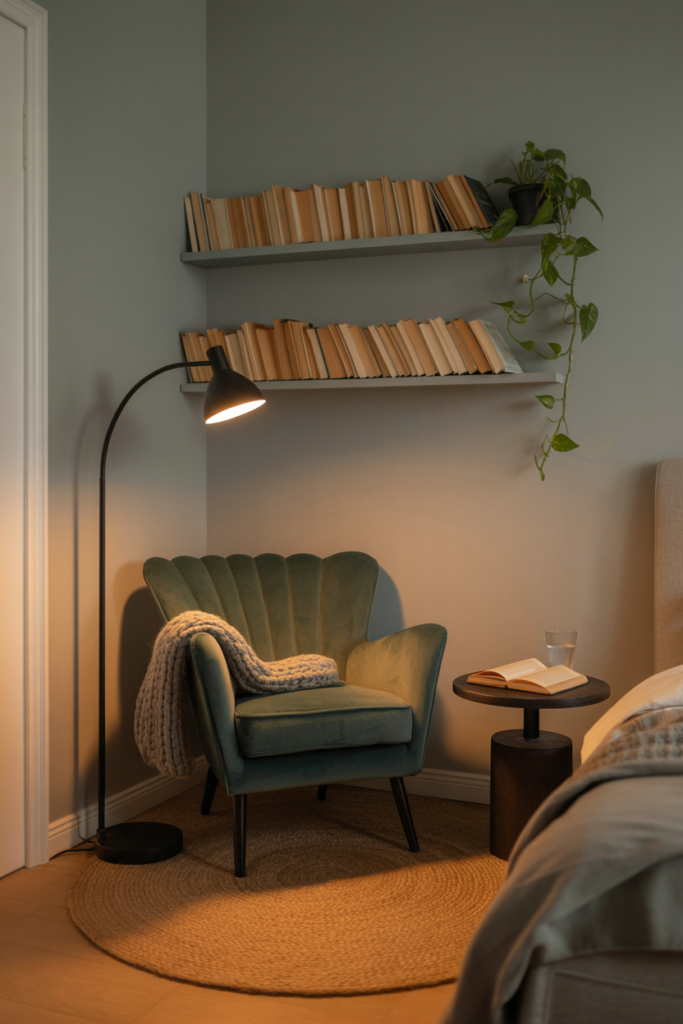
Not every reading nook needs its own dedicated room or architectural feature. A bedroom corner with the right furniture arrangement can work just as well. This is the most budget-friendly option on this list and one of the easiest to set up.
Start with a comfortable armchair or a small loveseat placed in the corner. Add a floor lamp on one side and a small side table on the other. A floating shelf or two above the chair for your current reads ties the whole thing together.
What makes this feel like a real nook rather than just a chair in a corner is the layering. A plush rug underneath, a knit throw draped over the armrest, and a couple of cushions signal to your brain that this spot has one purpose — rest and reading.
4. Built-In Bookcase Reading Nook
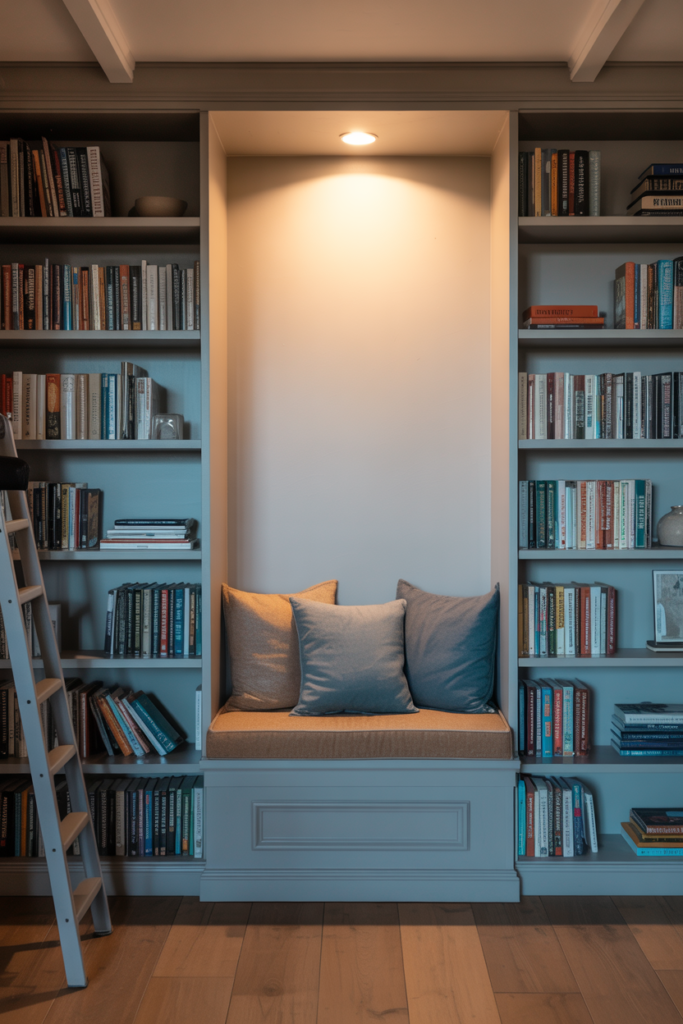
A built-in bookcase reading nook is the kind of setup that makes guests stop and stare. You carve out a seating alcove directly into a wall of shelving, and suddenly your books are not just stored — they are part of the decor. It looks custom and intentional, even when done on a modest budget.
The seat sits flush between two floor-to-ceiling shelves, creating that wraparound effect that feels both grand and intimate. A thick upholstered cushion, a few pillows, and soft overhead lighting turn this into the most sought-after seat in the house. Nobody is fighting over the couch when this exists.
If a full built-in is not in the budget right now, you can fake the look with two tall IKEA-style bookcases placed on either side of a bench. It achieves a very similar feel at a fraction of the cost.
5. Closet Conversion Reading Nook
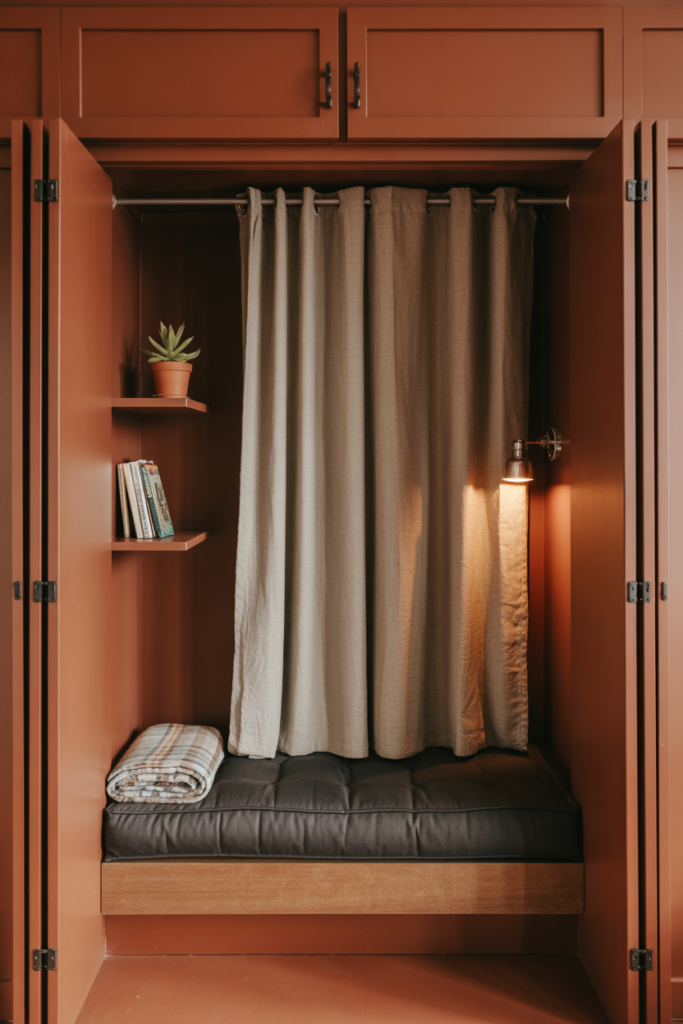
Turning an unused closet into a reading nook is one of those ideas that sounds strange until you see it done. Remove the doors, clear out the rod and shelves, and suddenly you have a perfectly sized alcove just waiting for a cushion and some personality. The walls on three sides already give you that cozy, enclosed feeling.
Line the back wall with wallpaper or a bold paint color to make the space feel intentional. Add a built-in bench with storage underneath, install a small reading light on one side wall, and hang a curtain at the opening for privacy. It is a surprisingly complete little retreat.
This works especially well in kids’ rooms where a small closet often goes half-used anyway. That said, I have seen adults claim these converted closet nooks for themselves and never look back.
6. Attic or Loft Reading Nook
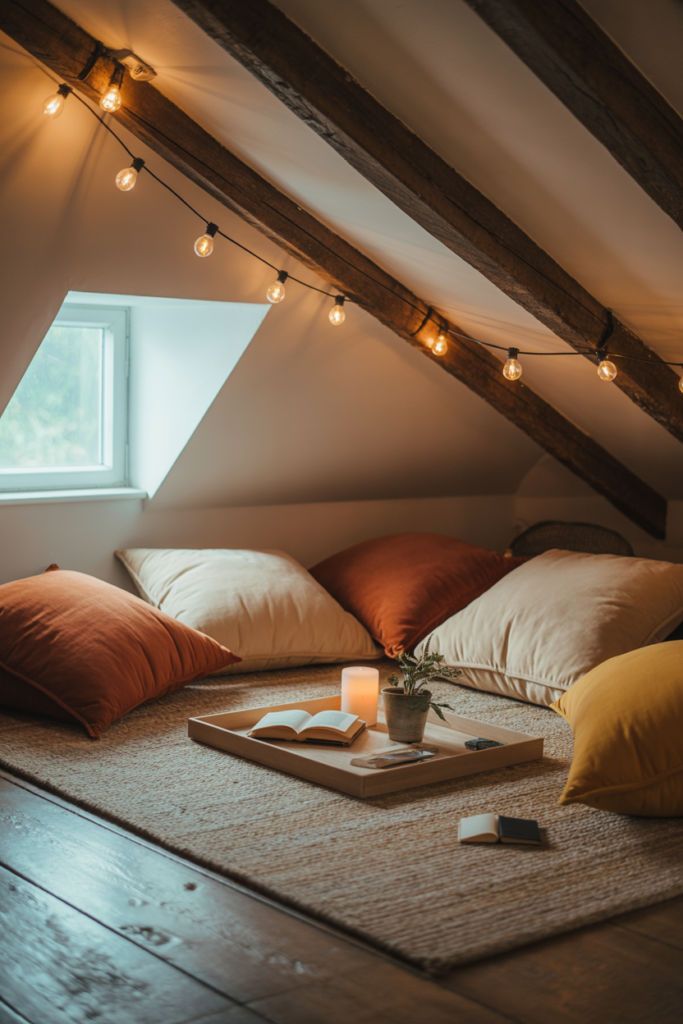
Attic spaces and loft corners have a natural charm that is hard to replicate elsewhere. The sloped ceilings, the tucked-away feeling, the quiet — it all adds up to a reading environment that feels genuinely separate from the rest of the house. If you have access to an attic or a loft area, even a small one, consider turning part of it into a reading nook.
Low platform or floor cushions work better here than tall furniture because of the ceiling height. Layer a few large floor pillows, a plush area rug, and a low side table to build a relaxed, casual setup. String lights or a small table lamp handle the lighting without needing hardwiring.
The key is making the space feel finished rather than accidental. A coat of fresh paint, a soft rug, and some intentional decor pieces signal that this is a real room, not just a forgotten corner of the house.
7. Bay Window Reading Nook
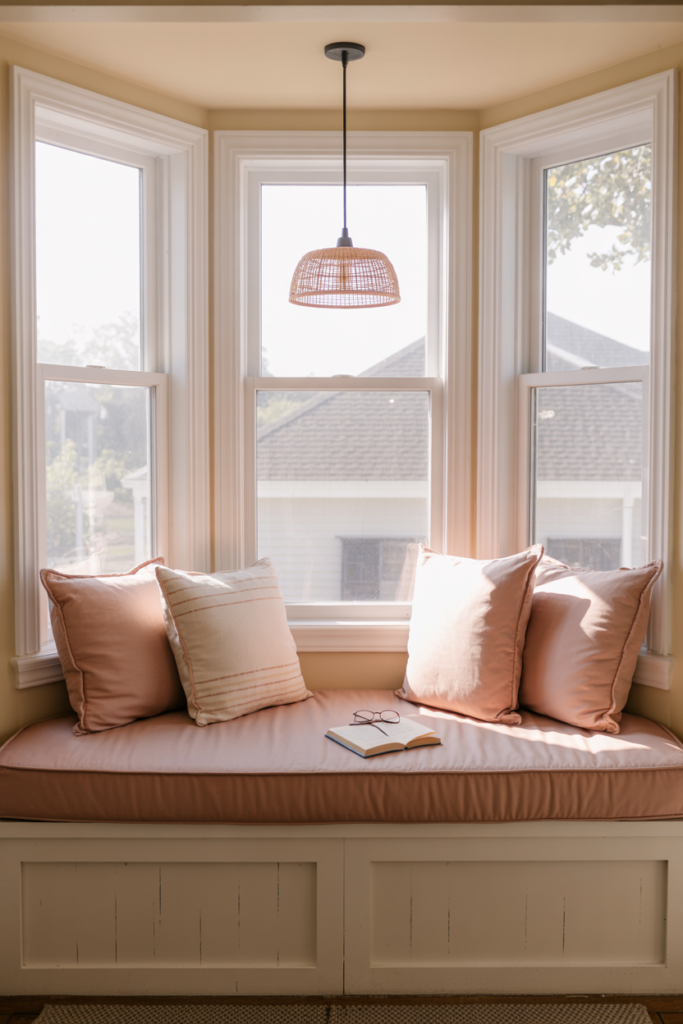
Bay windows are practically designed for reading nooks. The three-sided projection creates a natural alcove shape, and the wraparound glass floods the space with light from multiple angles. If your home has a bay window that is currently doing nothing but holding a plant or two, it is time for an upgrade.
A custom bench cushion cut to fit the bay window shape makes the biggest visual impact here. Most upholstery shops can cut foam to size affordably. Add bolster pillows along the sides to lean against, and you have seating that is both functional and beautiful.
| Bay Window Nook Styling Tips | Details |
| Cushion fabric | Choose durable, washable fabric for everyday use |
| Pillow arrangement | Mix sizes for a relaxed, layered look |
| Storage underneath | Hinged bench top adds hidden storage |
| Curtain placement | Mount rods high to frame the whole alcove |
| Lighting | Add pendant lights or wall sconces on either side |
8. Outdoor-Inspired Indoor Reading Nook
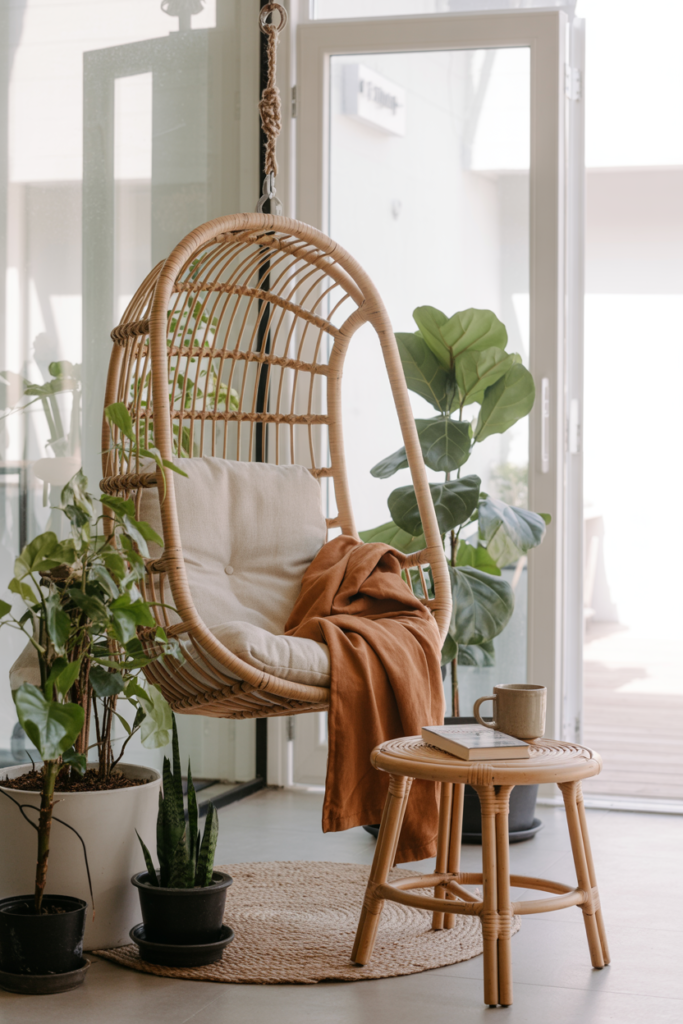
Some of the most charming reading nooks pull the outside in. Think natural wood shelving, rattan furniture, potted plants, and woven baskets. This style works beautifully in homes that get a lot of natural light and have a relaxed, organic aesthetic.
A rattan egg chair or a wooden swing seat hung from a ceiling beam creates an immediate focal point. Surround it with trailing plants, a jute rug, and linen cushions to build that breezy, garden-room feel. It is one of those setups that looks effortless but is actually very well thought out.
This nook style also works well near a glass door or large window. The connection to natural light and greenery makes reading feel less like something you do on a rainy day and more like something you actively look forward to.
9. Kids’ Reading Nook
A dedicated reading nook for kids does something remarkable — it makes books exciting. When a child has their own special spot, reading shifts from a chore to a choice. That is a win every parent will appreciate.
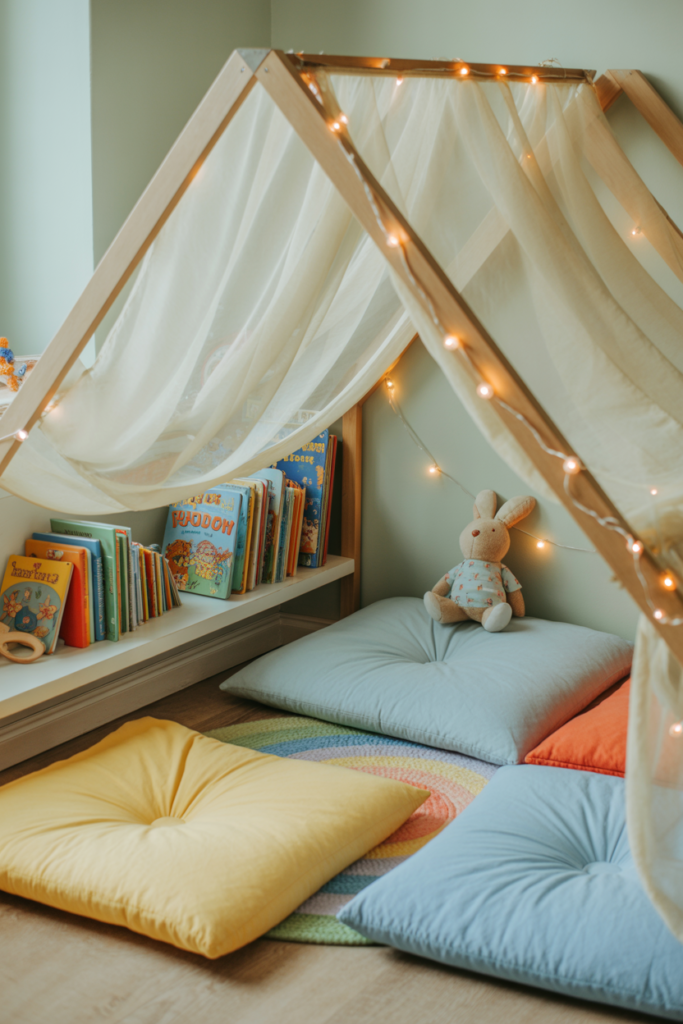
Low shelves with books displayed face-out, a beanbag or floor cushions, and soft, warm lighting set the right tone. Keep the decor playful but not overwhelming. A canopy draped overhead or a small tent frame adds that extra sense of magic that kids respond to immediately.
The best kids’ reading nooks grow with the child. Choose furniture and storage at their current height now, but keep the overall design simple enough that it will still feel appropriate as they get older. A good nook at age five should still feel welcoming at twelve.
10. Minimalist Reading Nook
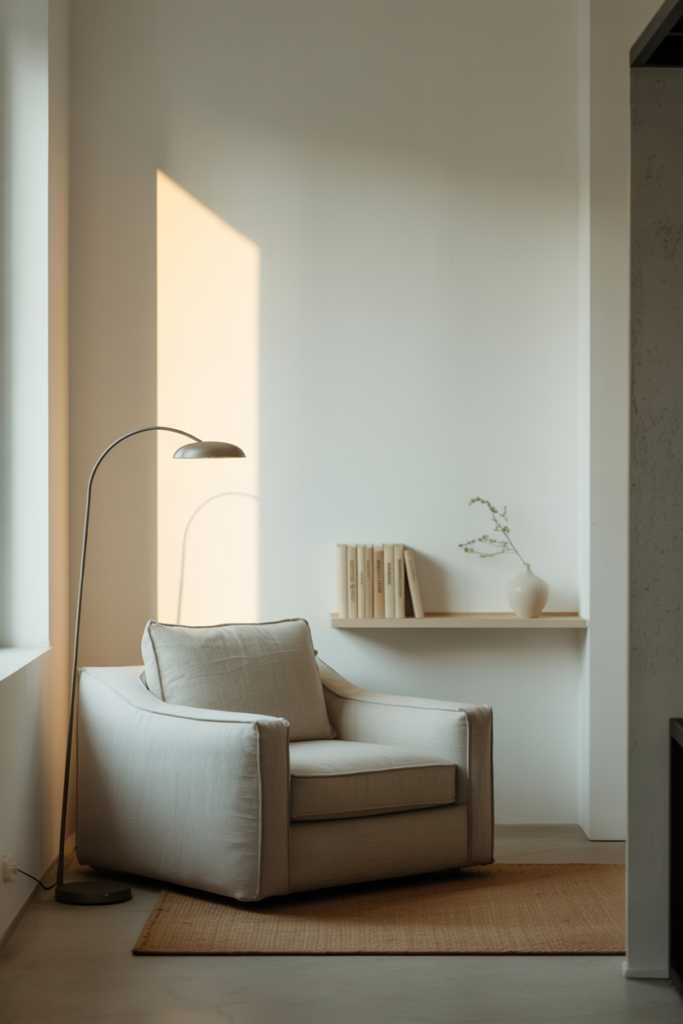
A minimalist reading nook proves that less is genuinely more. No clutter, no excessive decor, no unnecessary furniture — just a great chair, good lighting, and a small shelf within arm’s reach. This style works in any room and suits people who find too much visual noise distracting while they read.
A clean-lined armchair in a neutral tone, a slim floor lamp, and one small floating shelf are all you need. Keep the color palette tight — whites, warm grays, soft beiges. The simplicity itself becomes the aesthetic, and it photographs beautifully if that matters to you.
What I appreciate most about minimalist nooks is how intentional they feel. Every item earns its place. There is no throwaway decor here, and that purposefulness makes the whole corner feel calm and considered.
How to Style Any Reading Nook on a Budget
Creating a cozy reading nook does not require a renovation or a big spending spree. Some of the most charming setups come together with thrifted furniture, a can of paint, and a few well-chosen textiles. The goal is comfort and personality, and neither of those things needs to be expensive.
Start with seating. A secondhand armchair reupholstered in a fabric you love costs far less than buying new. Floor cushions are another affordable option that works especially well in smaller spaces or low-ceiling areas. Comfort is the priority, and you can achieve it at almost any price point.
Lighting and textiles do the heavy lifting when it comes to atmosphere. A warm-toned bulb in an affordable lamp, a soft throw blanket, and a rug underfoot can completely transform even the most basic corner setup. These small investments make the biggest difference in how a space actually feels to sit in.
| Budget Reading Nook Essentials | Approximate Cost |
| Secondhand armchair | $30 to $80 |
| Floor cushion set | $25 to $60 |
| Warm LED reading lamp | $20 to $50 |
| Throw blanket | $15 to $40 |
| Small floating shelf | $15 to $35 |
| Area rug | $30 to $70 |
Conclusion
A cozy reading nook is one of the most personal and rewarding additions you can make to your home. It does not matter if you have a bay window, an unused closet, or just a quiet bedroom corner — every space has potential. The ten ideas in this guide cover everything from grand built-in setups to simple, budget-friendly arrangements that come together in an afternoon.
The fundamentals stay the same across every style: comfortable seating, warm lighting, easy access to your books, and a sense of enclosure that makes the spot feel like yours. Get those four things right, and the rest is just personal taste.
If you are just getting started, pick the idea that fits your existing space best and keep it simple. A good reading nook does not need to be finished all at once. Add to it gradually, let it reflect your personality, and before long, it will be the corner of your home you look forward to most.
Frequently Asked Questions
1. What is the best size for a reading nook? There is no fixed rule, but most comfortable reading nooks measure at least 24 inches deep and 36 inches wide. This gives enough room for seating and a small side table without feeling cramped. Smaller spaces can still work well with the right furniture scale.
2. What type of lighting works best in a reading nook? Warm white LED bulbs in the 2700K to 3000K range are ideal for reading. A directed light source, like a wall-mounted lamp or adjustable floor lamp, works better than overhead lighting. The goal is focused, shadow-free light that does not cause eye strain.
3. How do I make a reading nook feel cozy without spending much? Focus on textiles first. A soft throw, a couple of cushions, and a small rug add warmth immediately. Secondhand furniture and thrifted decor pieces keep costs low while still creating a space that feels personal and inviting.
4. Can I create a reading nook in a small apartment? Absolutely. A corner armchair with a floor lamp and a small floating shelf is all it takes. Even a floor cushion setup near a window works well in tight spaces. The key is choosing furniture that fits the scale of the room.
5. What furniture works best for a reading nook? Deep armchairs, loveseats, window bench seats, and floor cushions all work well depending on the space. Look for seating with good back support and enough depth to sit comfortably for extended periods. A small side table or built-in shelf nearby is a practical addition.
6. How do I add privacy to my reading nook? Curtains are the simplest solution. A ceiling-mounted curtain rod with sheer or blackout panels lets you close off the nook when you want solitude. Bookshelves on either side of the seating area also create a natural sense of enclosure without blocking light.
7. Are reading nooks a good idea for kids? Yes, and they work particularly well for encouraging a reading habit early on. A low, accessible setup with face-out bookshelves, soft seating, and warm lighting makes books feel approachable and exciting. A canopy or tent frame adds a playful element that kids genuinely love.