
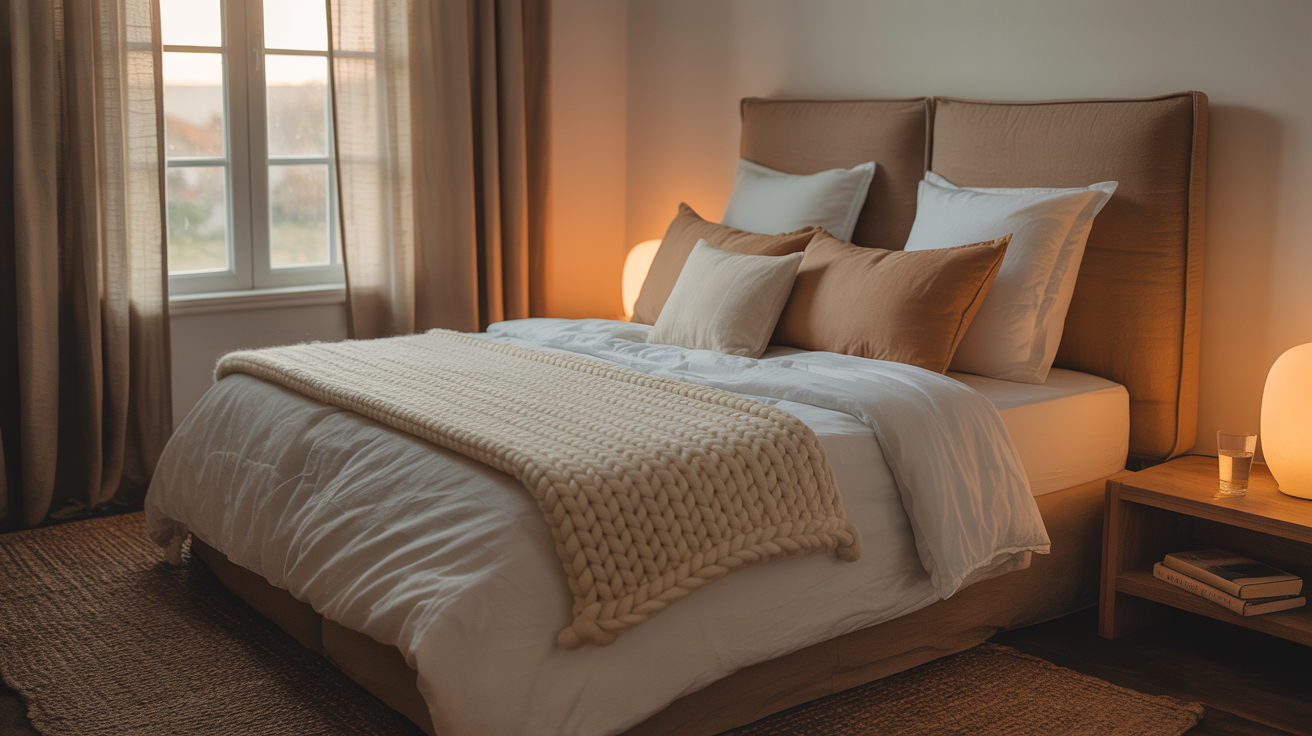
Your master bedroom should be the best room in the house. Not the living room that guests see, not the kitchen that gets all the attention. Your bedroom is where the day ends and where you actually get to breathe. If it does not feel like that right now, something needs to change.
Most bedrooms fall into the same trap. They are functional but forgettable. A bed, a dresser, maybe a lamp that has been there since forever. Nobody planned it to feel cozy or personal. It just happened, one random furniture piece at a time.
The good news is that turning your bedroom into a real retreat does not require a full renovation or a designer on speed dial. A few smart changes to layout, lighting, and texture can completely shift how the room feels. This guide walks through the best master bedroom ideas so you can build a space that actually works for you.
Why Your Master Bedroom Deserves More Attention Than You Are Giving It
The average person spends about a third of their life in their bedroom. That is not a small number. Yet most people spend more time decorating their living room for guests than their own bedroom for themselves. There is something a little backwards about that.
A well-designed master bedroom does more than look good. It affects how well you sleep, how calm you feel in the morning, and even how much stress you carry through the day. Research consistently shows that a cluttered or poorly lit bedroom can increase anxiety and reduce sleep quality. The space around you matters more than most people realize.
When it comes to what makes a bedroom feel like a retreat, it always comes down to three things: comfort, calm, and personality. The room should feel like it was made for you, not pulled from a showroom catalog. Once you start designing with those three things in mind, the difference shows up fast.
Start With the Bed – Because Everything Else Follows
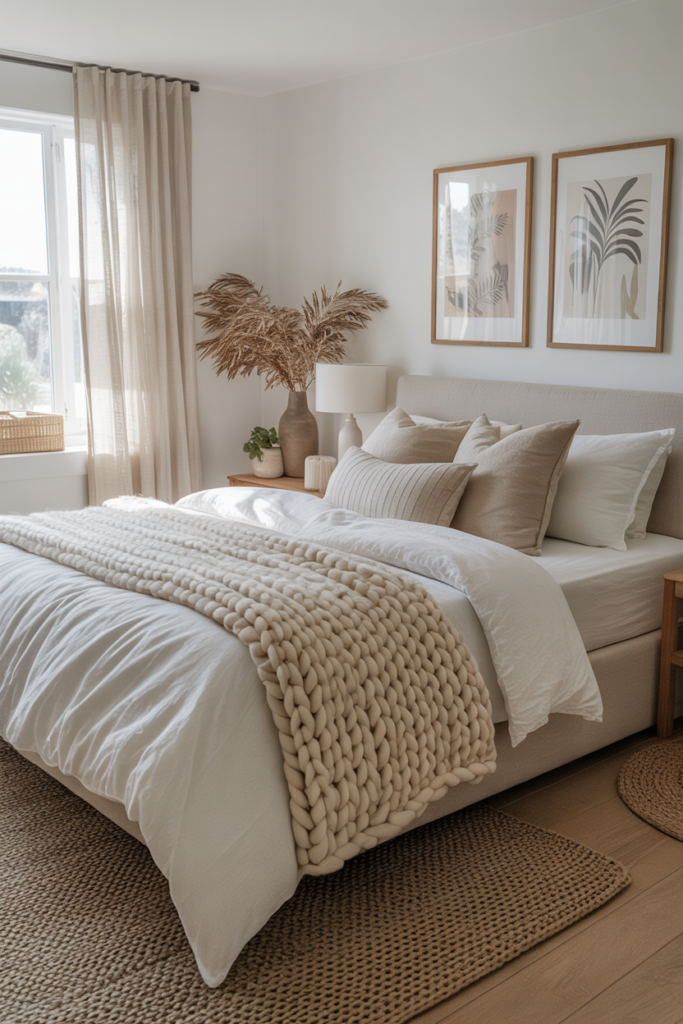
The bed is the centerpiece of any master bedroom, and it sets the tone for everything around it. If your bed does not feel luxurious, the rest of the room will not either. Investing in a quality mattress, good bed frame, and layered bedding is the single best thing you can do for your bedroom.
Bedding is where most people underestimate the difference good materials make. High thread count cotton sheets, a chunky knit throw, and at least three pillow sizes can take a bed from basic to genuinely inviting. It sounds simple, but the visual weight and softness of layered bedding changes the entire feel of the room.
The bed frame also matters more than people think. A tall upholstered headboard adds warmth and makes the room feel intentional. A low platform bed gives a sleek, modern look. Either way, choosing a frame that matches the mood you want the room to have is a step most people skip, and it shows.
Get the Lighting Right and the Room Changes Completely
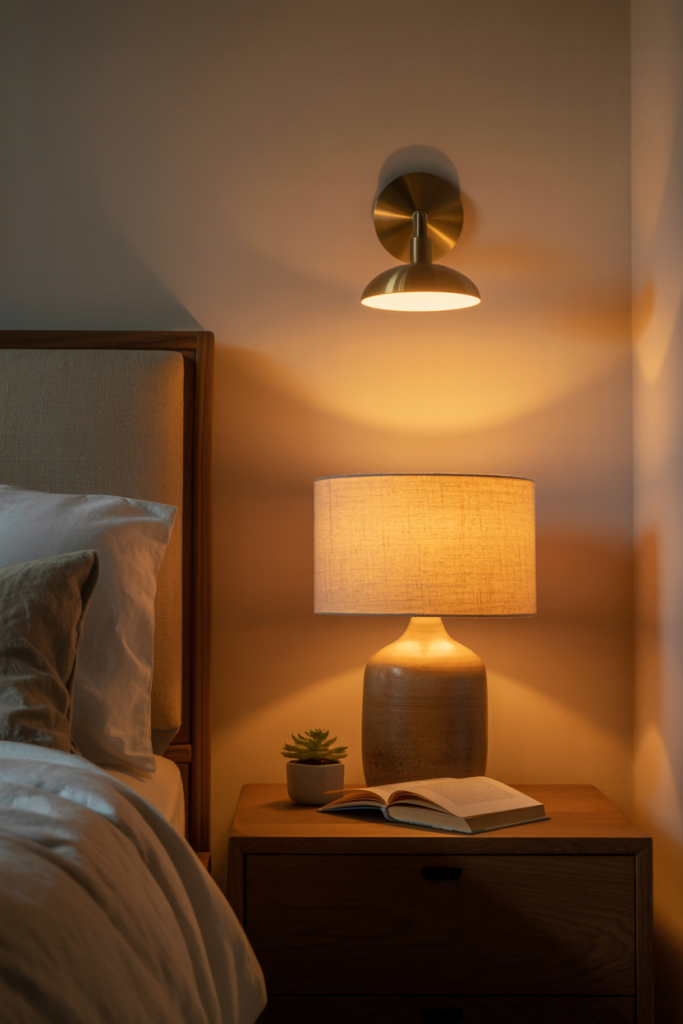
Lighting is probably the most overlooked element in bedroom design. Most bedrooms rely on one overhead light, which is honestly the least flattering and least relaxing option available. Layered lighting, which means combining ambient, task, and accent light sources, is what makes a room feel warm and curated.
Bedside lamps are non-negotiable. They create a soft pool of light that makes the room feel cozy without flooding it with brightness. Wall sconces work even better if you want to free up nightstand space. Either way, having a light source at eye level when you are lying down changes the entire atmosphere of the room.
Dimmer switches are one of the best low-cost additions to any bedroom. Being able to control the intensity of light throughout the day means the room can shift from bright and functional in the morning to warm and calm at night. It is a small change that makes a noticeable difference every single day.
Choose a Color Palette That Actually Calms You Down
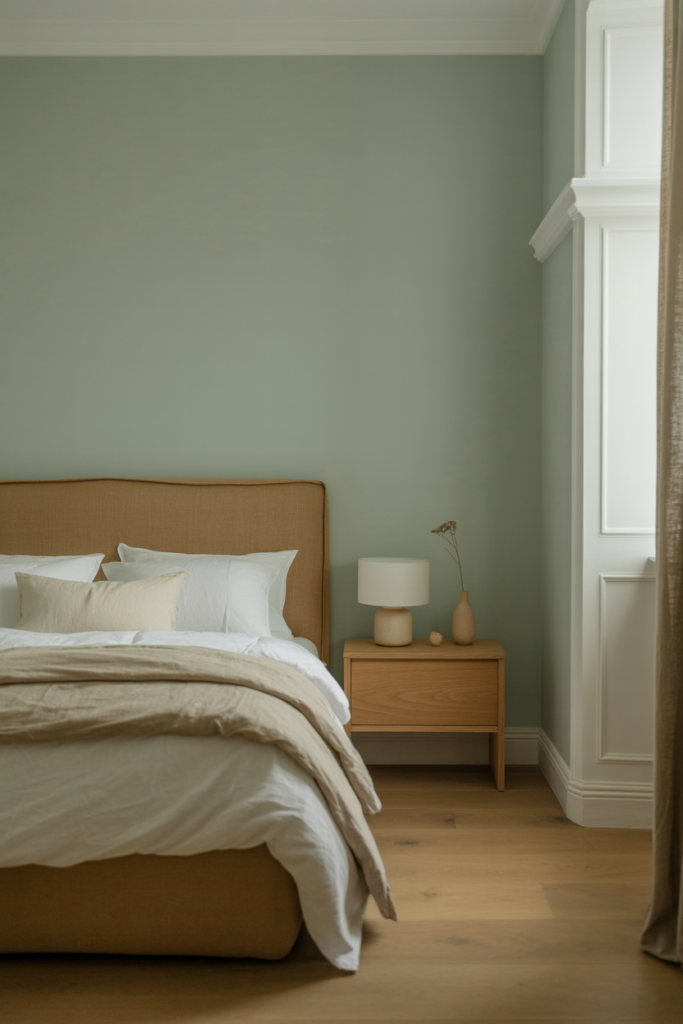
Color has a direct impact on mood, and the bedroom is where that matters most. Soft neutrals like warm whites, sandy beiges, and muted greiges are popular for a reason. They create a sense of openness and calm without making the room feel cold or sterile.
That said, neutrals are not the only option. Deep, moody tones like dusty blue, sage green, or warm terracotta can make a bedroom feel incredibly cocooning and intimate. The key is choosing a color that feels restful to you personally, not just one that looks good in a photo. What works in a magazine spread does not always work in real life.
One thing worth keeping in mind is that paint color looks different depending on the light in your room. A color that looks warm in a south-facing room can look completely different in a north-facing one. Always test a paint swatch on the wall and live with it for a day or two before committing.
Add Texture to Make the Room Feel Lived In
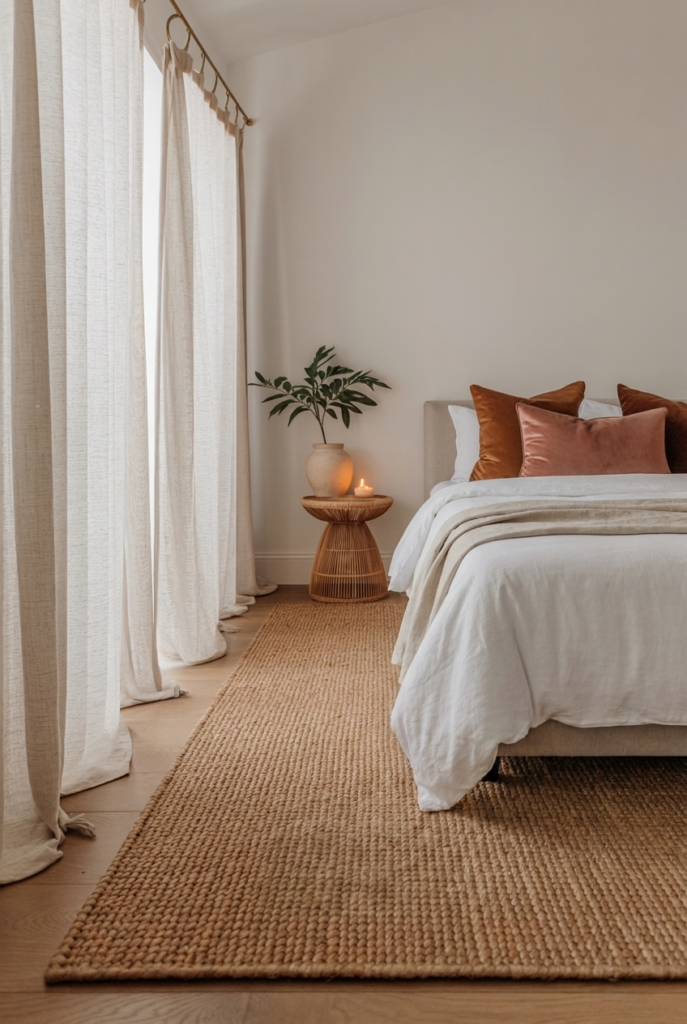
A bedroom that only has flat, smooth surfaces tends to feel cold and impersonal. Texture is what gives a room warmth and depth. A jute rug, linen curtains, a velvet throw, or a rattan side table each add a layer that makes the space feel more complete.
Mixing textures does not mean mixing styles randomly. The trick is to stay within a consistent color palette while varying the materials. For example, pairing a linen duvet with a chunky wool blanket and a smooth ceramic lamp keeps things cohesive while still feeling rich and layered.
Curtains are one of the easiest texture additions people overlook. Floor-to-ceiling drapes in a natural fabric like linen or cotton instantly make a room feel taller and softer. Hanging them close to the ceiling and letting them just touch the floor is a classic designer trick that costs very little but looks like it cost a lot.
Cut the Clutter and Give Everything a Home
Clutter is the fastest way to undo everything else you do in a bedroom. A beautifully designed room with piles of clothes on the chair or a messy nightstand loses all its appeal immediately. Storage and organization are not the glamorous part of bedroom design, but they matter just as much as anything else.
Nightstands with drawers beat open shelves every time for keeping things tidy. A basket tucked under a bench at the foot of the bed handles extra blankets without adding visual noise. Built-in wardrobes or a good freestanding armoire keep clothes out of sight and the room feeling calm.
The rule that works best is simple: if it does not belong in a bedroom, it should not live there. Workout equipment, work files, and stacks of random items all chip away at the restful feeling a bedroom should have. Keeping surfaces clear is one of the easiest ways to make a room feel more intentional without changing a single piece of furniture.
Bring in Natural Elements for a Grounded, Peaceful Feel
Natural elements have a way of making indoor spaces feel more calming. A few well-placed plants, a wooden nightstand, or a stone lamp base can ground a bedroom and give it an organic warmth that manufactured materials rarely achieve on their own.
Plants are a popular choice, and for good reason. Snake plants, pothos, and peace lilies are all low-maintenance options that thrive in bedroom conditions. Beyond looking good, some studies suggest that indoor plants can improve air quality slightly and contribute to a more restful environment.
Wood tones work particularly well in bedrooms because they add warmth without demanding attention. A simple wooden tray on a dresser, a reclaimed wood headboard, or even a woven seagrass basket can tie a room together and give it that grounded, natural quality that feels genuinely restful.
Make the Room Smell as Good as It Looks
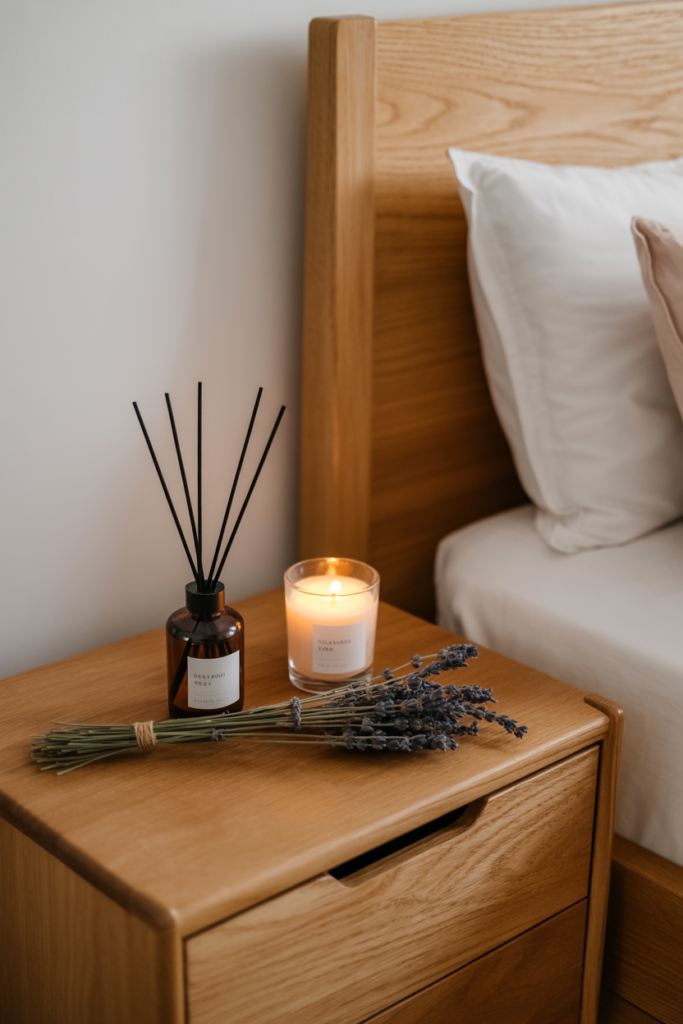
Scent is one of the most underrated parts of creating a bedroom retreat. The right scent can make a room feel instantly more relaxing, while the wrong one, or no scent at all, leaves something missing that you cannot quite name.
Linen sprays, reed diffusers, and soy candles are all easy ways to add a consistent scent to the bedroom. Lavender is a classic for a reason because it is genuinely associated with better sleep and lower anxiety. Sandalwood, cedarwood, and chamomile are other options that feel warm and calming without being overpowering.
The key is keeping the scent subtle. A bedroom should smell clean and gently fragrant, not like a candle shop. One diffuser or a light spray on the pillowcase before bed is usually all it takes to make the room feel noticeably more like a retreat.
Small Upgrades That Make a Big Difference
Not every bedroom improvement requires a big budget or a weekend project. Some of the most noticeable changes come from small, affordable swaps that most people never think to make. Switching out builder-grade door handles, adding a full-length mirror, or replacing a basic light fixture can each quietly elevate the room without touching the layout at all.
A full-length mirror is one of those additions that does double duty. It is practical, obviously, but it also reflects light and makes the room feel larger and brighter. Leaning one against a wall takes about thirty seconds and costs far less than any furniture piece with the same visual impact.
Swapping out hardware on dressers and nightstands is another small change with an outsized effect. Brushed brass, matte black, or antique bronze knobs and pulls can make an old piece of furniture look intentional and updated. It is the kind of detail that guests notice without knowing exactly why the room looks so put together.
How to Make a Small Master Bedroom Feel Bigger
A small master bedroom can still feel like a retreat with the right approach. The biggest mistake people make in small rooms is overcrowding them with furniture that is too large or too many pieces that compete for attention. Keeping the furniture count low and the scale right makes a small room feel far more comfortable.
Light colors on the walls and ceiling help a small room feel more open. Mirrors, as mentioned, amplify this effect. Choosing furniture with legs rather than pieces that sit directly on the floor also helps because you can see more of the floor, which makes the space feel less heavy and more airy.
Vertical storage is your best friend in a smaller bedroom. Tall bookshelves, wall-mounted sconces instead of table lamps, and hanging artwork higher than usual all draw the eye upward and make the ceiling feel higher. These are small visual tricks, but they genuinely work.
Master Bedroom Ideas on a Budget That Still Look Expensive
A beautiful bedroom does not have to cost a fortune. Some of the best-looking bedrooms are built almost entirely from thrifted pieces, affordable swaps, and smart styling choices. The key is knowing where to spend and where to save.
Spend on the bedding and the mattress because those directly affect your sleep and comfort. Save on decorative items like vases, trays, and frames by shopping secondhand or at discount home stores. A well-styled dresser top with a thrifted mirror and a few carefully chosen objects can look just as intentional as anything from a high-end retailer.
Paint is also one of the highest-return investments in any bedroom refresh. A single can of paint in the right color can completely transform a room for a fraction of what new furniture would cost. If a full repaint feels like too much, even an accent wall behind the bed can shift the entire mood of the space.
A Simple Master Bedroom Refresh Checklist
Sometimes it helps to have a clear starting point. Here is a quick reference table to guide your bedroom refresh based on budget and impact:
| Change | Estimated Cost | Impact Level |
| New bedding and pillows | Low to mid | High |
| Dimmer switch installation | Very low | High |
| Full-length mirror | Low | Medium to high |
| Fresh coat of paint | Low | Very high |
| New hardware on furniture | Very low | Medium |
| Floor lamp or bedside lamps | Low to mid | High |
| Indoor plants | Very low | Medium |
| Linen curtains | Low to mid | High |
| Decluttering and organizing | Free | Very high |
This table is a good reminder that the biggest visual changes do not always require the biggest investment. Decluttering costs nothing and consistently ranks as one of the highest-impact things you can do for a bedroom.
Conclusion: Your Bedroom Should Work for You
A master bedroom that feels like a retreat is not a luxury reserved for people with large budgets or perfect spaces. It is the result of a few intentional decisions made consistently across lighting, color, texture, scent, and organization. Every idea in this guide is something real people have used in real bedrooms to create spaces they genuinely love coming home to.
Start with one area, whether that is the bedding, the lighting, or simply clearing the clutter from the nightstand. Small changes build on each other, and before long the room starts to feel like it was designed with purpose rather than assembled by accident. That shift in how a room feels is worth every bit of effort it takes to get there.
Your bedroom is the one space in the house that exists entirely for you. It should feel like it.
Frequently Asked Questions
1. What is the first thing I should change in my master bedroom?
Start with the bedding. It has the highest visual impact for the cost and immediately makes the bed, which is the focal point of the room, look and feel more intentional. Good sheets and layered pillows change everything.
2. How do I make my master bedroom feel more luxurious without spending much?
Focus on texture and lighting. Swapping a harsh overhead bulb for a warm bedside lamp and adding a soft throw blanket can make a room feel noticeably more comfortable. These are low-cost changes with a high return.
3. What colors work best for a master bedroom?
Soft, muted tones like warm white, sage green, dusty blue, and sandy beige tend to work well because they feel calm and restful. The best color is ultimately the one that feels right to you in your specific room’s light.
4. How can I make a small master bedroom feel larger?
Use light colors, keep furniture count low, add mirrors to reflect light, and choose pieces with visible legs to open up the floor space. Vertical storage and higher-hung curtains also help draw the eye upward.
5. Are indoor plants a good idea for a bedroom?
Yes, especially low-maintenance varieties like snake plants or pothos. They add a natural, calming element to the room and can slightly improve air quality, making the space feel fresher overall.
6. How important is scent in a bedroom?
More important than most people realize. A subtle, consistent scent like lavender or cedarwood can make a bedroom feel significantly more relaxing. A simple reed diffuser or pillow spray is all you need.
7. Can I create a retreat-style bedroom in a rental?
Absolutely. Paint may be off the table in some rentals, but bedding, lighting, curtains, plants, mirrors, and organization are all renter-friendly changes that can completely transform how a space feels.