
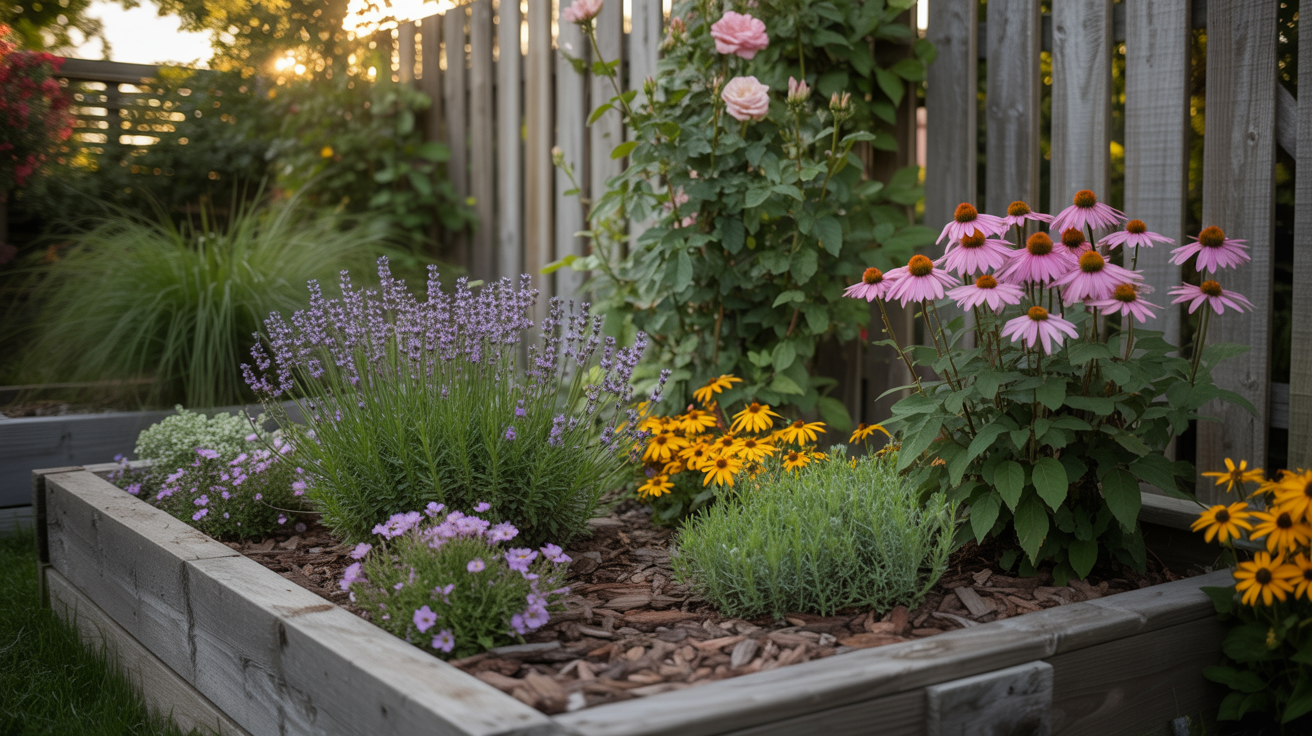
Every backyard has at least one corner that just sits there, doing absolutely nothing. Maybe it collects old pots, a forgotten hose, or just a sad patch of bare dirt. I used to stare at mine thinking, “There has to be something better than this.” Turns out, there is. A lot better, actually.
Corner garden ideas are one of the most searched backyard topics right now, and for good reason. That neglected triangle of space holds more potential than most people realize. With the right plants, structures, and a little creativity, a dull corner transforms into the most eye-catching part of your yard.
I have tested and researched some of the best backyard corner garden ideas out there, from simple DIY planting tricks to structured vertical garden setups. Whether your corner gets full sun, sits in the shade, or is just awkwardly shaped, there is something here for every yard and every budget.
Why Backyard Corners Deserve More Attention Than You Think
Most garden planning focuses on center beds, borders, and patios. Corners get ignored, and that is honestly a missed opportunity. A well-designed corner garden adds depth, color, and a sense of intentional design to the whole yard.
Corner spaces naturally draw the eye. When you fill them thoughtfully, the entire garden feels more complete and polished. Landscape designers actually call this “visual anchoring,” and it works even in small yards.
The great thing about corner gardens is that they work with your existing space. You are not tearing anything up or redesigning the whole yard. You are just adding something meaningful to a spot that was already there, wasted.
| Corner Type | Best Garden Style | Ideal Plants |
| Sunny corner | Cottage or pollinator garden | Lavender, coneflower, salvia |
| Shady corner | Woodland or fern garden | Hostas, ferns, astilbe |
| Narrow corner | Vertical garden or trellis | Clematis, jasmine, ivy |
| Wet/damp corner | Rain garden | Sedge, iris, cardinal flower |
| Dry/rocky corner | Xeriscape or succulent bed | Sedum, agave, ornamental grasses |
15 Best Backyard Corner Garden Ideas to Try This Season
1. Build a Tiered Raised Bed Corner Garden for Maximum Impact
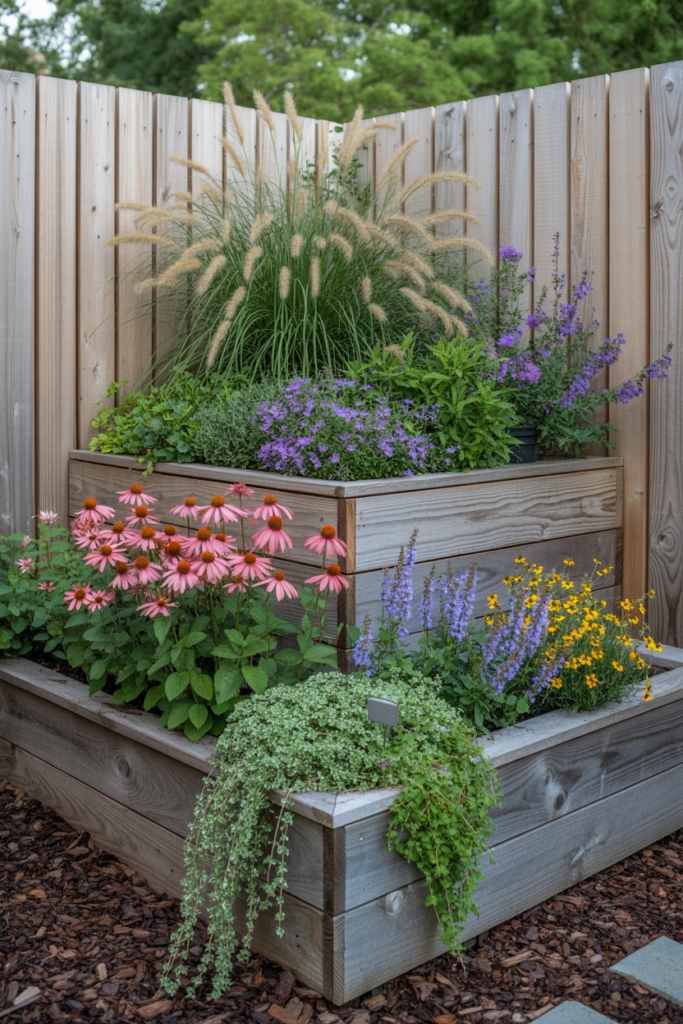
A tiered raised bed in a corner is one of the smartest uses of that triangular space. The stepping levels add height, create visual interest, and give you much more planting area than a flat bed ever could. I find that even two tiers make a corner look intentional and designed.
You can build these with timber, stone, cinder blocks, or even upcycled railway sleepers. The key is to work with the corner angle so each tier steps back naturally into the wall or fence. Fill each level with different plants to create a layered, lush look.
The top tier works great for tall plants like ornamental grasses or flowering shrubs. The middle level suits mid-height perennials, and the lowest tier is perfect for ground-hugging herbs or trailing plants. This structure alone turns a dead corner into a full garden feature.
2. Create a Vertical Garden Wall for Small or Narrow Corners
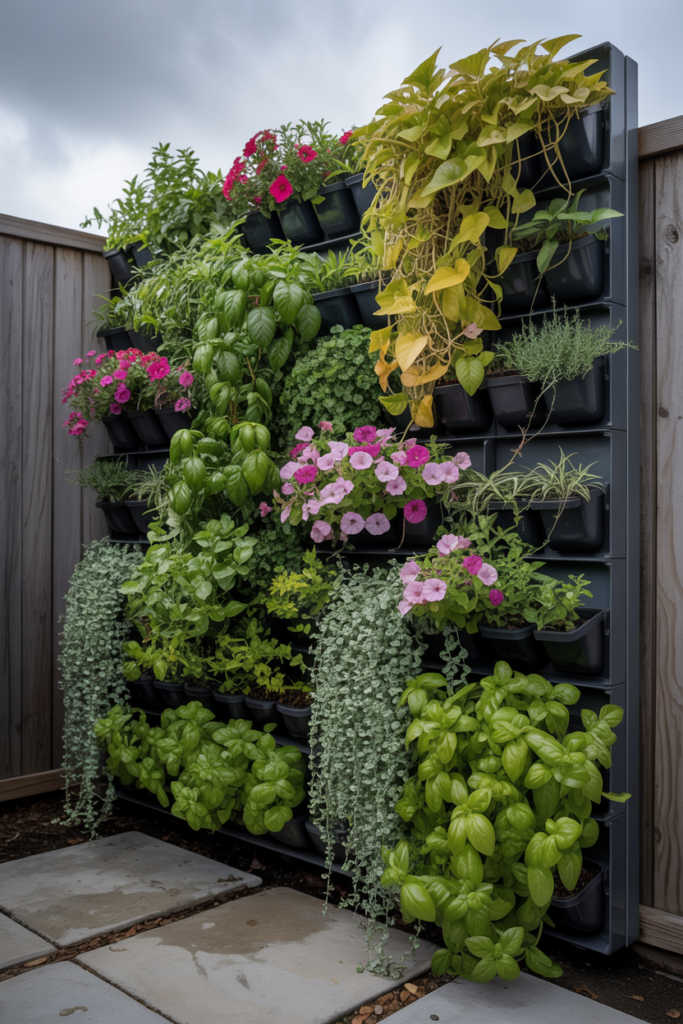
If your corner is narrow or tight, going vertical is the smartest move. A vertical garden wall uses height instead of floor space, making it perfect for compact backyards. I love this idea because it adds serious drama without eating up the lawn.
You can use a freestanding trellis, a wooden pallet frame, hanging pocket planters, or a modular wall panel system. Attach it to the fence or wall in the corner and fill it with trailing plants, herbs, or small flowering varieties. Pothos, petunias, and strawberries all work beautifully in vertical setups.
Beyond looks, a vertical corner garden also creates a natural privacy screen. If your corner faces a neighbor’s yard or a busy street, a wall of greenery solves two problems at once. It is one of those ideas that is both practical and genuinely pretty.
3. Plant a Cottage Garden Corner Bursting With Color
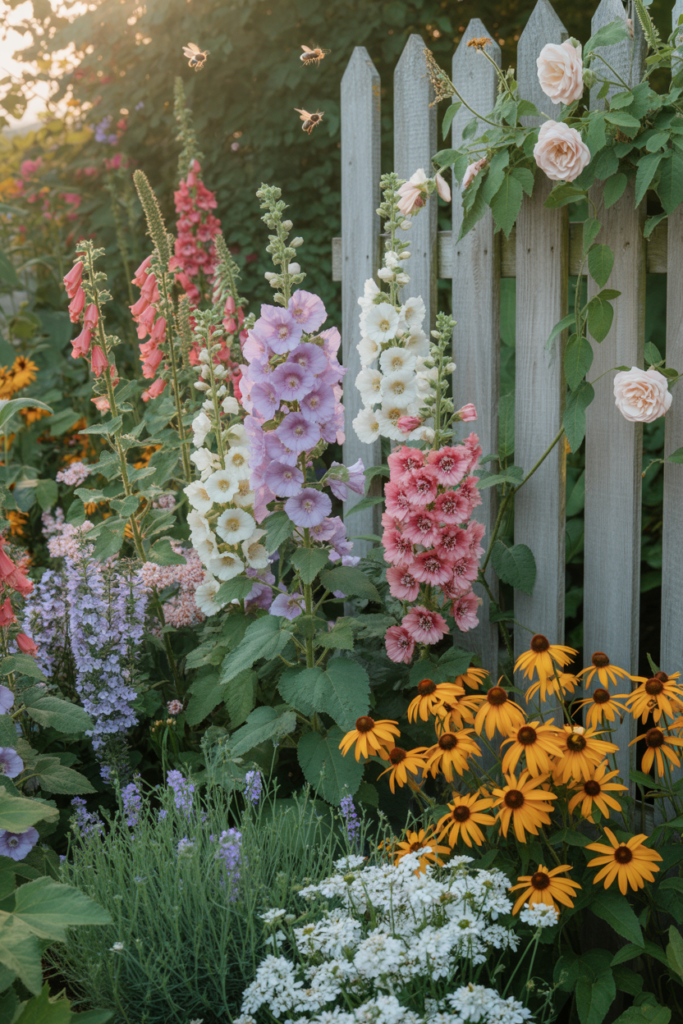
A cottage garden corner is all about organized chaos, in the best possible way. You pack in a mix of flowering perennials and annuals and let them grow in a loose, naturalistic style. The result looks effortless, even though there is real thought behind the plant selection.
Good cottage garden plants for corners include lavender, foxglove, echinacea, black-eyed Susan, and hollyhocks. Mix heights and bloom times so something is always flowering from spring through fall. I personally throw in some climbing roses against the fence for that classic English garden look.
The key to a great cottage corner is layering. Tall plants at the back, medium ones in the middle, and low edging plants at the front. Once established, this type of corner garden basically takes care of itself, which is always a win.
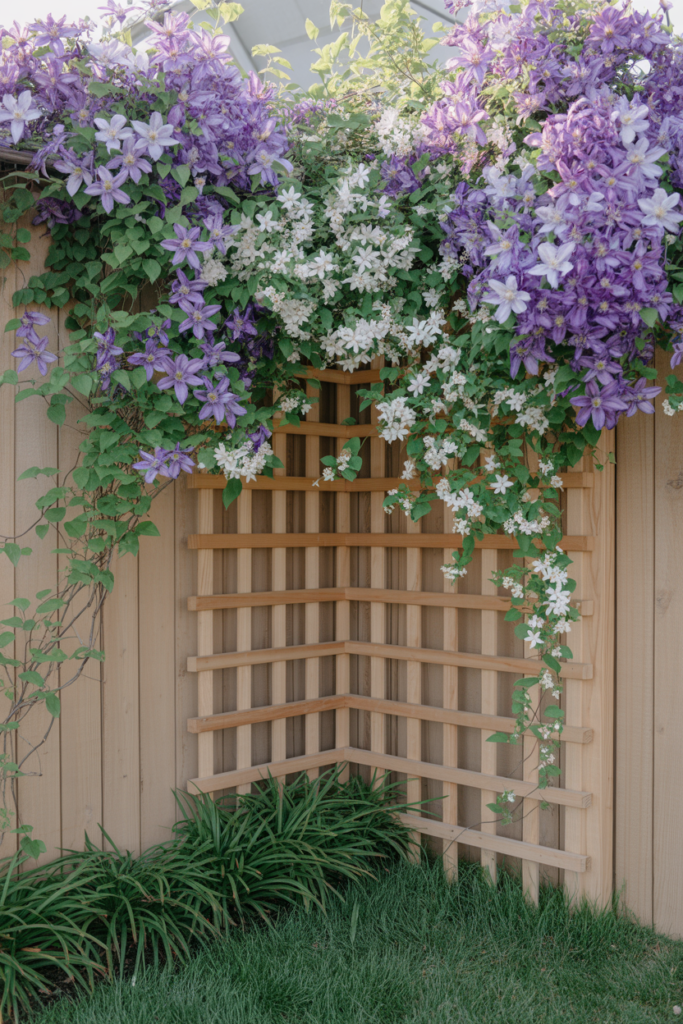
4. Add a Corner Trellis With Climbing Plants for Height and Privacy
A trellis in a corner does so much more than support plants. It adds architectural structure, creates privacy, and turns a flat corner into a three-dimensional garden feature. I added one to my back corner last year, and it genuinely changed the whole feel of the space.
Choose a trellis that fits snugly into the corner angle, either an A-frame style or two panels placed at 90 degrees. Then plant fast-growing climbers at the base like clematis, jasmine, morning glory, or climbing hydrangea. Within one season, you will have a lush, flowering wall.
For a year-round structure, combine an evergreen climber like ivy or star jasmine with a seasonal flowering vine. This way, the corner looks good in winter too, not just when things are blooming. Structure first, then beauty layer by layer.
5. Design a Relaxing Corner Shade Garden With Lush Foliage
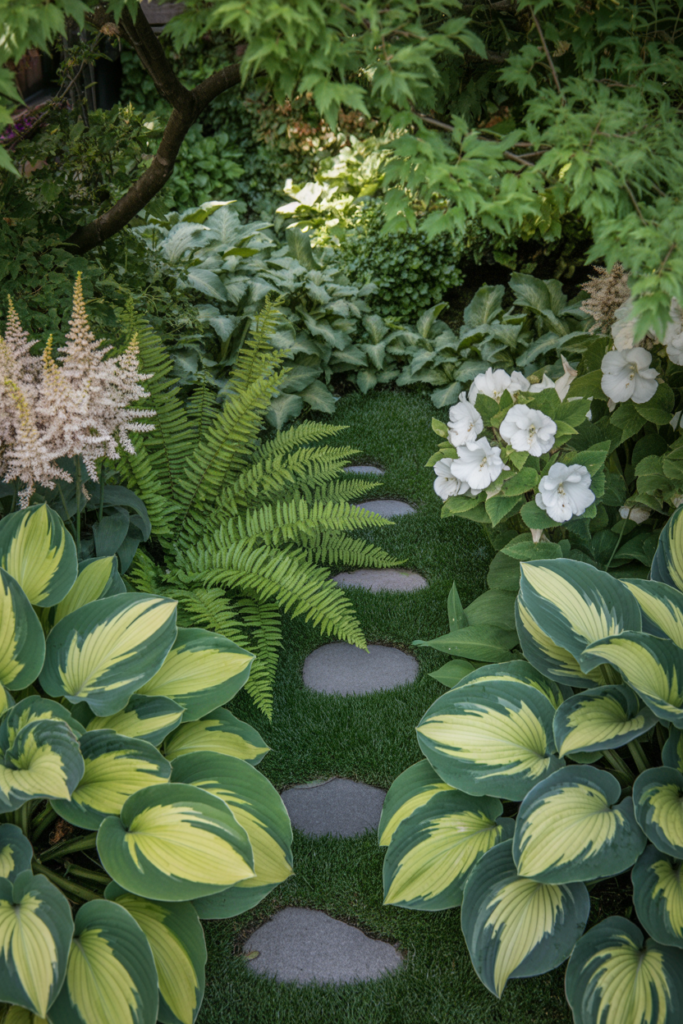
Not every corner gets sunshine, and that is actually a good thing. A shady corner is the perfect spot for a lush foliage garden full of texture and cool, calming greens. These gardens are low-maintenance and genuinely beautiful once you choose the right plants.
Hostas are the undisputed champions of shade gardening. Pair them with ferns, astilbe, heuchera, and bleeding heart for a layered, woodland-inspired look. I like adding a few white-flowering plants like impatiens or foam flower to brighten the space naturally.
Shade gardens also stay cooler in summer, making that corner a more comfortable spot overall. Add a small bench or stepping stone path into the space, and you have a peaceful garden retreat tucked right into your yard. It is one of those corners you will actually want to spend time in.
6. Set Up a Corner Fire Pit Garden for Evening Ambiance
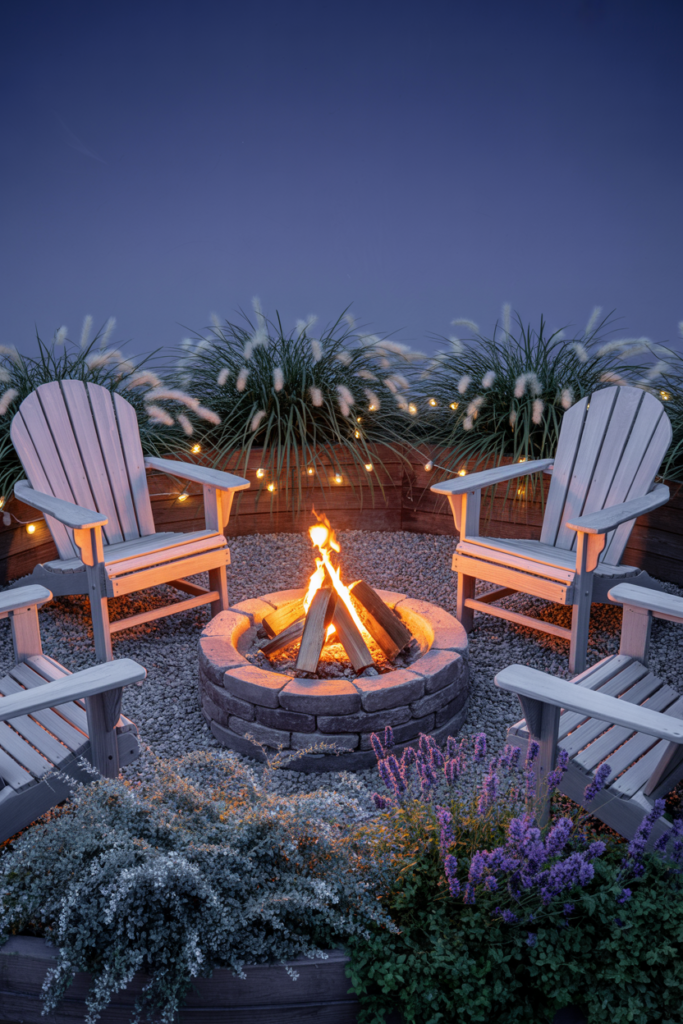
A corner fire pit surrounded by low garden beds is one of the most functional backyard upgrades you can make. It turns an unused corner into a proper outdoor living zone that you will actually use after dark. I think of it as giving that corner a real purpose for the first time.
Surround the fire pit with low-growing ornamental grasses, lavender, or creeping thyme to soften the hardscape edges. Keep taller plants a safe distance back and use gravel or stone pavers to create a clean transition between the planting area and the seating zone. The combination of fire, fragrance, and greenery feels genuinely special on a warm evening.
If a built-in fire pit is not in the budget, a simple freestanding fire bowl works just as well. Arrange a few outdoor chairs around it, add some container plants to frame the corner, and you have a cozy outdoor hangout that costs very little to set up.
7. Build a Corner Pergola With Garden Beds for a Defined Outdoor Space
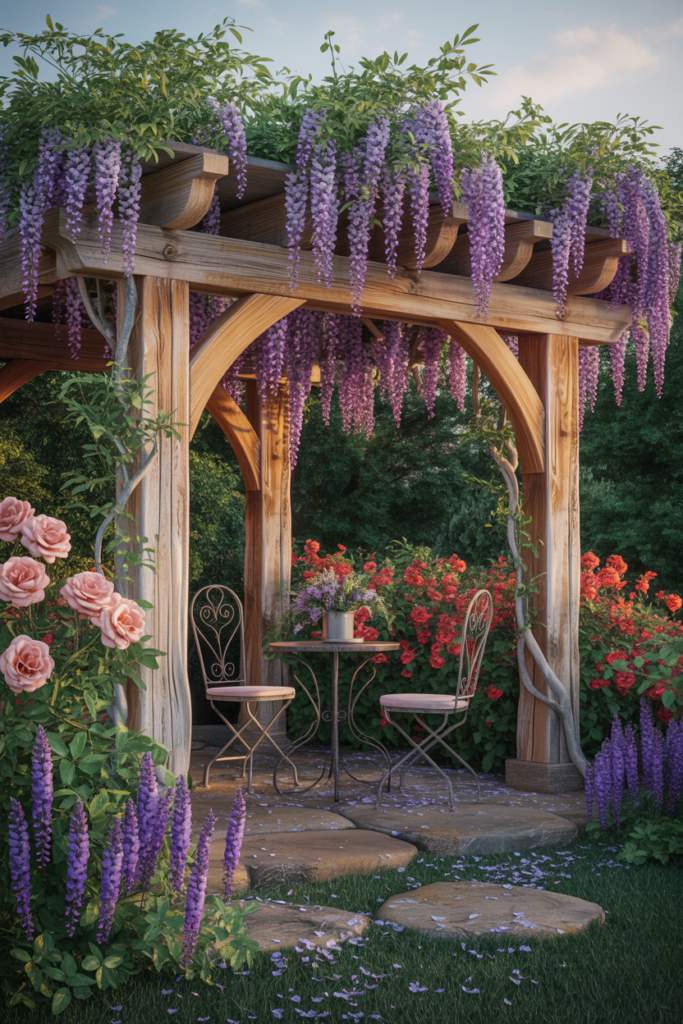
A corner pergola instantly gives your backyard a focal point. It frames the corner with structure, creates overhead interest, and gives climbing plants something to grow on. When you combine it with garden beds at the base, the whole corner becomes a proper garden room.
Use the pergola posts as anchor points for climbing roses, wisteria, or grapevines. Plant a mix of perennials and shrubs around the base to ground the structure in greenery. I find that adding a small bistro table or a single chair underneath makes the corner feel like a destination rather than just a design feature.
Pergolas do not have to be expensive or complicated to build. Many flat-pack timber pergola kits are available that fit standard corner dimensions. With a weekend of work and some good plants, this corner transformation delivers one of the biggest visual payoffs in backyard gardening.
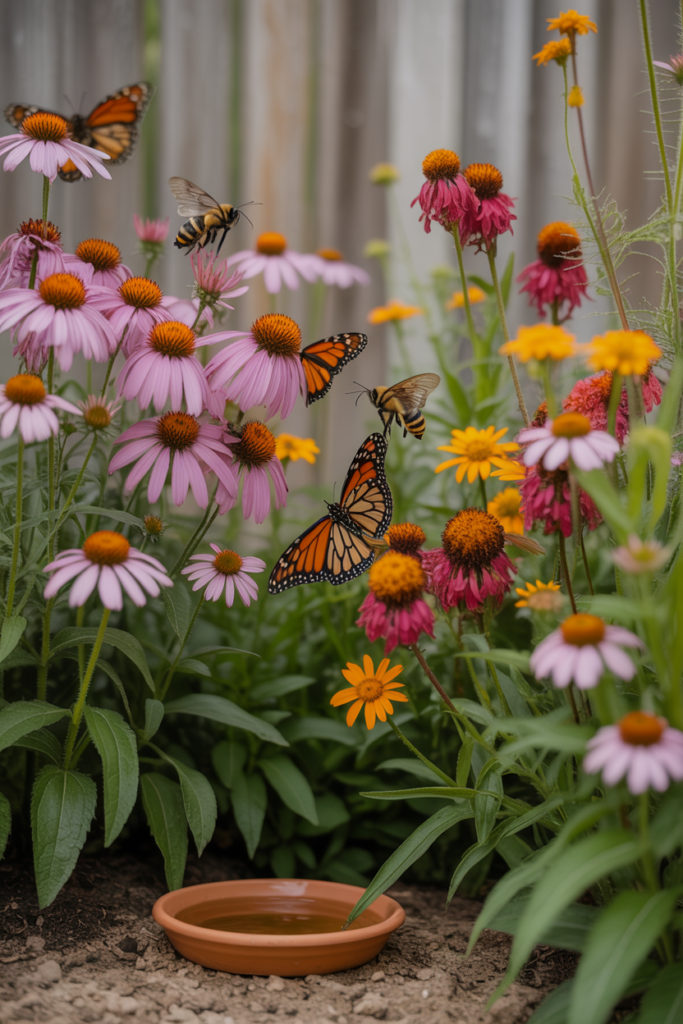
8. Create a Pollinator Corner Garden to Support Bees and Butterflies
A pollinator garden in a corner is one of the most rewarding things you can plant. You are not just filling a space with pretty flowers. You are actively supporting bees, butterflies, and other beneficial insects that your whole garden depends on.
The best plants for a pollinator corner include coneflower, bee balm, milkweed, salvia, and native wildflowers. Mix different flower shapes and bloom times so pollinators have food from early spring through late fall. I always include a few flat-topped flowers like yarrow and fennel because butterflies need a landing pad.
Group plants in clusters rather than single specimens for maximum pollinator attraction. A small shallow dish of water nearby gives bees and butterflies a place to drink. Once this corner gets going, the amount of activity it attracts is genuinely exciting to watch.
9. Try a Corner Rock Garden for Low-Maintenance Year-Round Interest
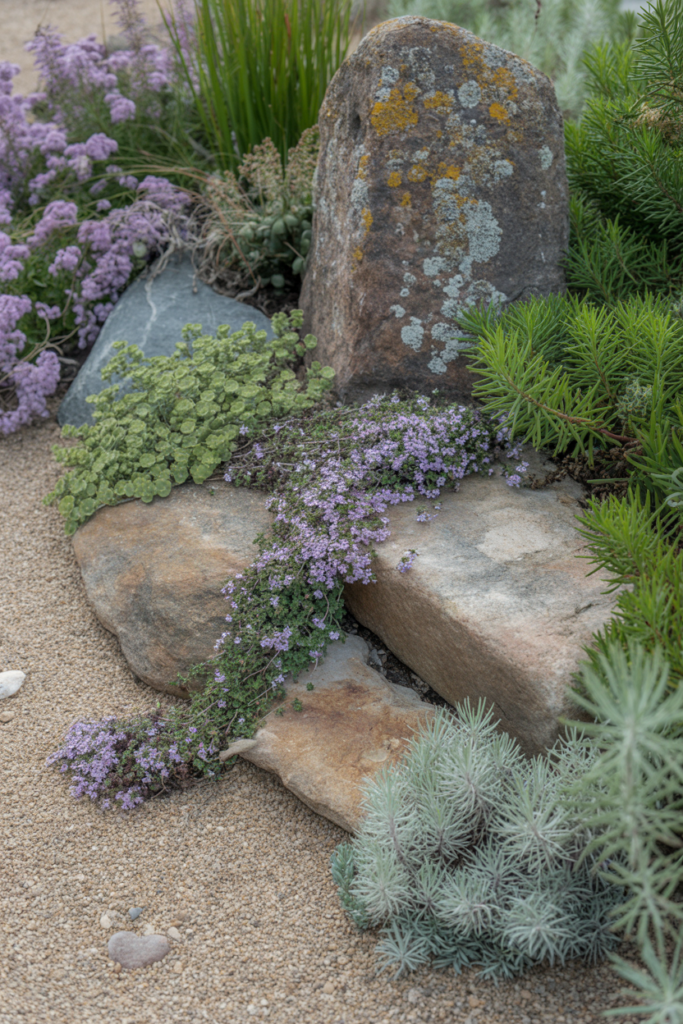
A rock garden corner works brilliantly for dry, sunny spots where other plants struggle. The combination of stones, boulders, and drought-tolerant plants creates a naturalistic look that needs very little care once established. It is honestly one of the lowest-maintenance corner garden ideas on this list.
Choose rocks of different sizes and embed them partially into the soil so they look natural rather than placed. Fill the gaps with alpine plants, sedum, creeping thyme, ornamental grasses, and small succulents. These plants thrive in the well-drained conditions that rock gardens provide, so they tend to look better over time rather than worse.
A rock garden corner also handles slopes and uneven terrain beautifully. If your corner has an awkward grade change, rocks and ground-hugging plants are a far better solution than trying to level the whole area. Work with the land instead of fighting it, and the result always looks more natural.
10. Plant a Corner Herb Spiral for a Functional and Beautiful Feature
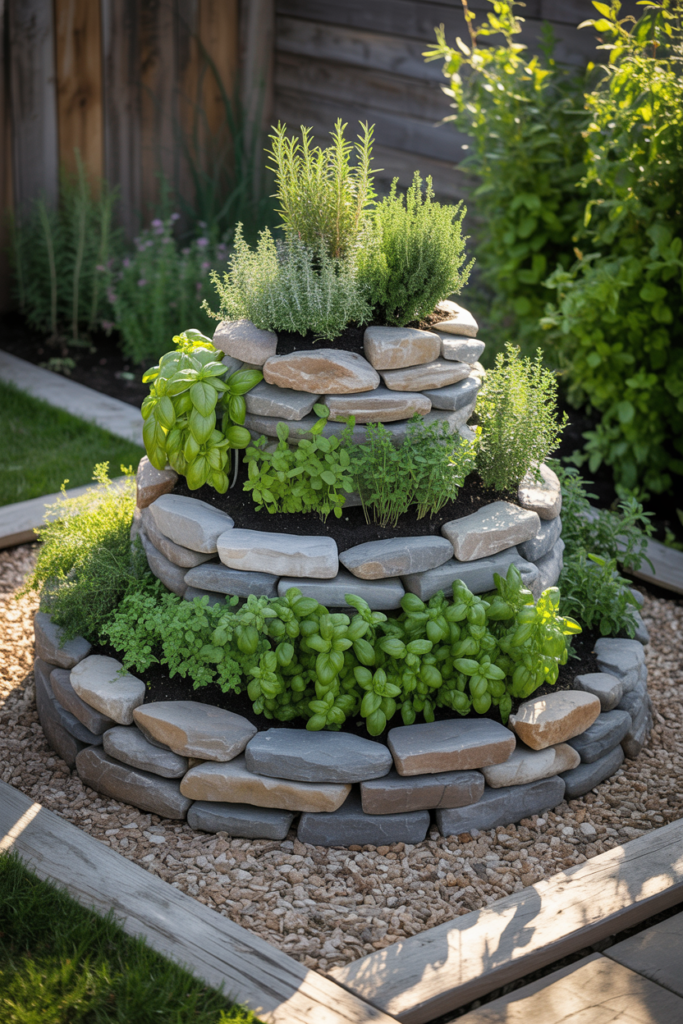
An herb spiral is one of those garden features that looks complicated but is actually simple to build. It is a raised spiral structure made from stones or bricks that creates multiple growing zones in a small footprint. Different herbs thrive at different heights and drainage levels, so the spiral design genuinely improves growing conditions.
Place drought-tolerant herbs like rosemary, thyme, and oregano near the top where drainage is best. Move down to basil, parsley, and chives in the middle zone. At the base, where moisture collects, grow mint or coriander. A well-planted herb spiral in a corner looks beautiful, smells amazing, and keeps your kitchen stocked all season.
The spiral shape also makes it easy to reach all your herbs without stepping into the bed. You walk around the outside, and everything is within arm’s reach. For a corner near the back door or kitchen garden area, this is genuinely one of the most useful things you can plant.
| Herb | Best Position in Spiral | Sunlight Need |
| Rosemary | Top | Full sun |
| Thyme | Upper middle | Full sun |
| Basil | Middle | Full sun |
| Parsley | Middle | Part sun |
| Chives | Lower middle | Part sun |
| Mint | Base | Part shade |
| Coriander | Base | Part shade |
11. Design a Corner Water Feature Garden for a Calming Focal Point
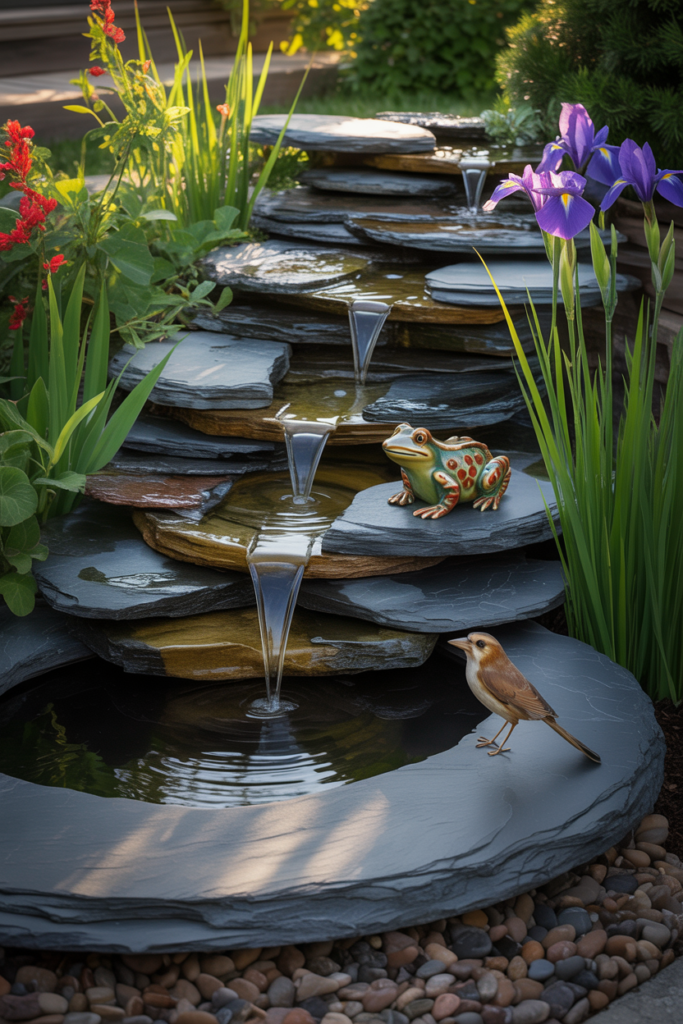
A small water feature tucked into a backyard corner adds something that no plant alone can: sound. The gentle trickle of moving water changes the whole atmosphere of a garden. I added a small corner fountain last summer, and it genuinely made the space feel like a completely different yard.
You do not need a large pond or an expensive installation. A pre-formed corner pond, a stacked stone fountain, or even a large ceramic pot with a small pump works beautifully. Surround it with moisture-loving plants like Japanese iris, cardinal flower, or horsetail reed to blend the feature naturally into the garden.
Water features also attract birds and beneficial insects, which adds even more life to the corner. Keep the water moving with a small pump to prevent mosquito breeding. A well-placed corner water garden becomes the spot everyone gravitates toward during outdoor gatherings.
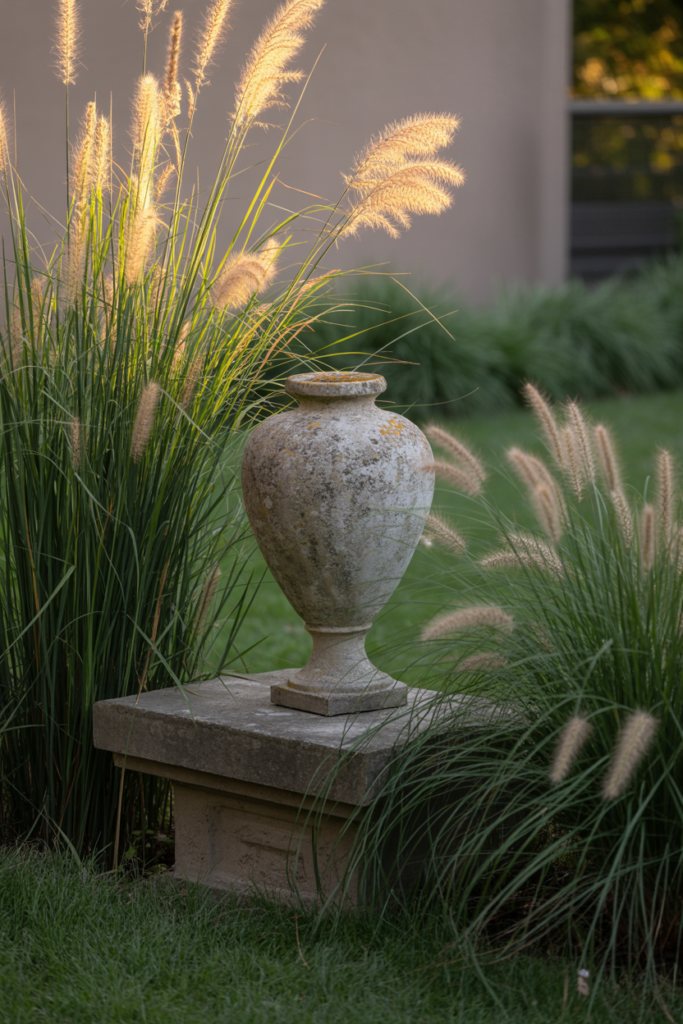
12. Add a Corner Sculpture Garden With Ornamental Grasses
Combining garden sculpture with ornamental grasses creates a corner that looks interesting in every season. Grasses move with the breeze, catch the light beautifully in the afternoon, and stay attractive even through winter. A sculpture gives the corner a strong focal point that anchors the whole planting.
Choose a sculpture that suits your garden style, whether that is a classic stone urn, a modern metal piece, or a simple birdbath. Place it slightly off-center in the corner rather than dead center for a more natural composition. Surround it with grasses like Karl Foerster feather reed grass, blue oat grass, or Mexican feather grass for texture and movement.
This type of corner garden requires very little maintenance once planted. Ornamental grasses need cutting back once a year in late winter, and that is about it. The sculpture handles itself. It is one of the most effortless ways to make a corner look intentional and well-designed.
13. Build a Corner Raised Vegetable Garden for Edible Landscaping
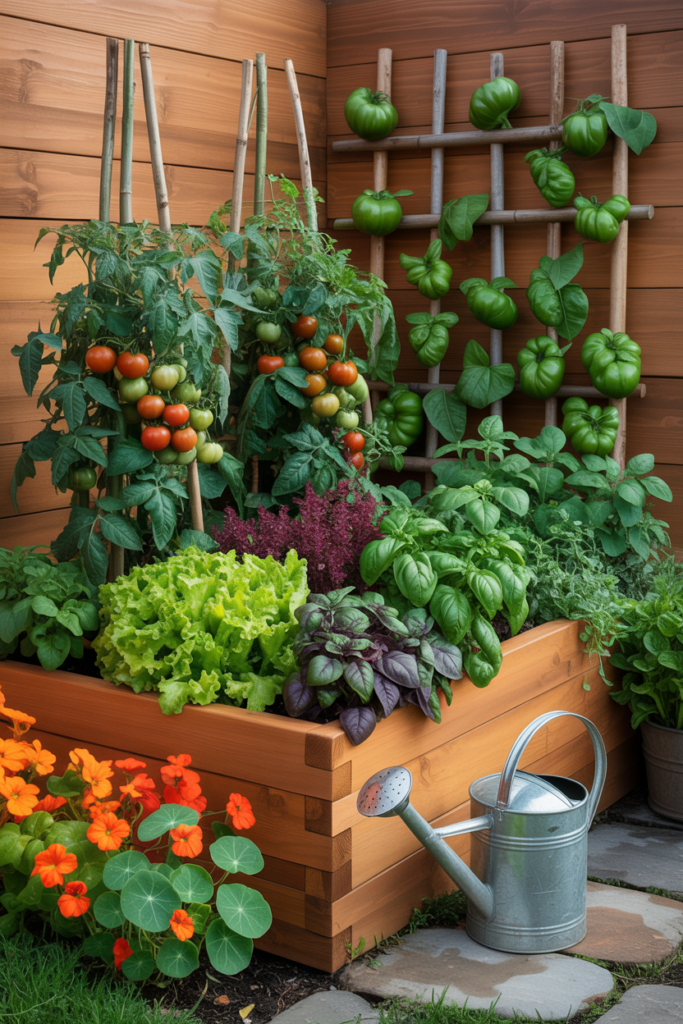
A corner raised vegetable bed proves that productive gardens can also be beautiful. Raised beds in corners are space-efficient, easy to manage, and give you fresh produce right from your own backyard. I find that a well-built corner veggie bed gets more compliments from visitors than almost any purely ornamental feature.
Use the tallest plants like tomatoes, climbing beans, or cucumbers at the back corner and step down to shorter crops like lettuce, spinach, and herbs at the front edges. This layered approach maximizes sunlight for every plant and creates a visually appealing gradient of heights. Add a simple trellis at the back for vertical growing, and you double your planting space.
Line the front edges of the bed with edible flowers like nasturtiums or marigolds. They deter pests naturally, attract pollinators, and make the bed look genuinely beautiful rather than purely functional. Edible landscaping is one of those ideas where you really do get the best of both worlds.
14. Create a Corner Sensory Garden for Kids and Adults Alike
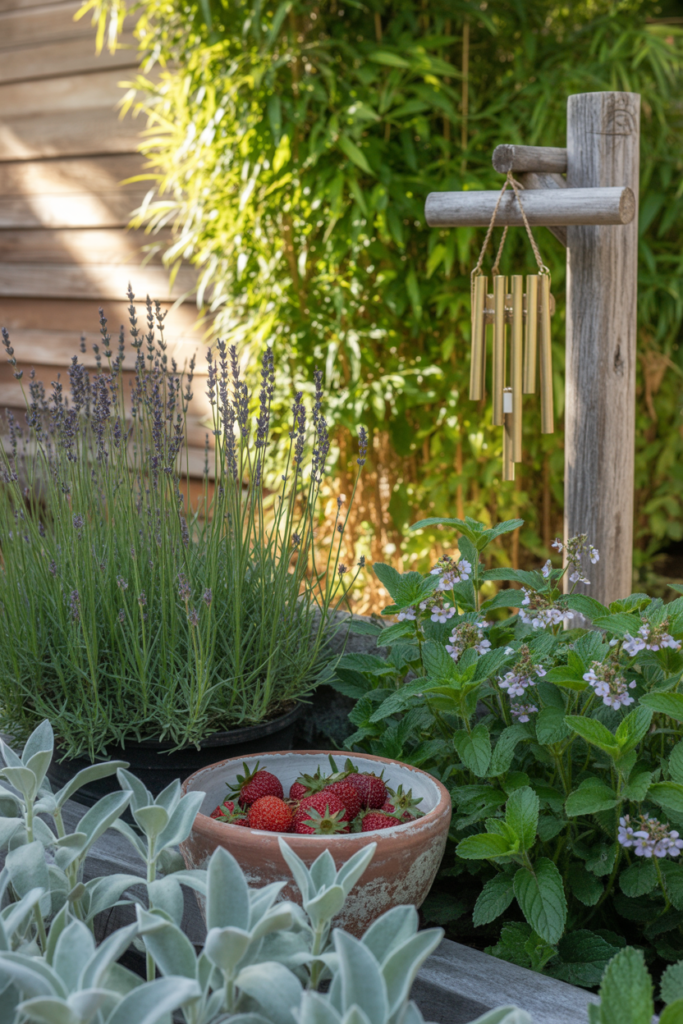
A sensory garden engages more than just your eyes. It brings in scent, texture, sound, and even taste to create a truly immersive garden experience. A corner is the perfect size for a compact sensory planting that does not overwhelm the rest of the yard.
Include fragrant plants like lavender, chocolate mint, and sweet alyssum for scent. Add textural plants like lamb’s ear, ornamental grasses, and succulents for touch. Use rustling bamboo or wind chimes for sound, and edible herbs or strawberries for taste. The combination creates a corner that engages every sense at once.
Sensory gardens are particularly wonderful for children, but honestly, adults enjoy them just as much. There is something genuinely grounding about a space that pulls you fully into the present moment. This type of corner garden also works beautifully in therapeutic or relaxation-focused outdoor spaces.
15. Design a Corner Butterfly Garden With Native Wildflowers
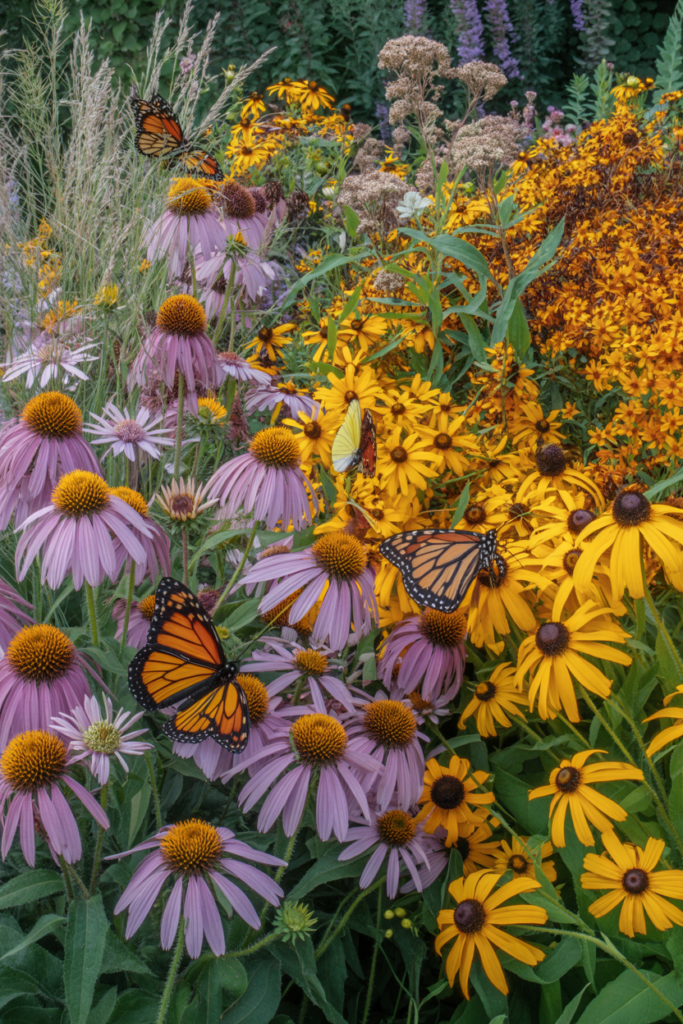
A native wildflower corner garden is one of the most ecologically valuable things you can add to your backyard. Native plants support local butterfly populations, require minimal watering once established, and look stunning in an informal, naturalistic style. I converted a dry, struggling corner into a native wildflower patch two seasons ago and have not looked back since.
Choose wildflowers native to your specific region for the best results. In North America, good options include black-eyed Susan, purple coneflower, wild bergamot, goldenrod, and butterfly weed. Mix in native grasses like little bluestem for structure and winter interest. The goal is a planting that looks intentional but also genuinely wild.
Let some plants go to seed at the end of the season rather than cutting everything back immediately. Seed heads feed birds through winter, and the plants self-sow naturally, filling the corner more thickly each year. A native wildflower corner genuinely improves with age, which is a rare and wonderful quality in any garden.
Quick Comparison: Best Backyard Corner Garden Ideas by Goal
| Garden Idea | Best For | Maintenance Level | Budget Range |
| Tiered raised bed | Maximum planting space | Medium | Medium |
| Vertical garden wall | Small/narrow corners | Low | Low-Medium |
| Cottage garden | Color and charm | Low | Low |
| Corner trellis | Privacy and height | Low | Low |
| Shade garden | Shady corners | Very low | Low |
| Fire pit garden | Outdoor entertaining | Low | Medium-High |
| Corner pergola | Defined outdoor room | Medium | Medium-High |
| Pollinator garden | Wildlife support | Very low | Low |
| Rock garden | Dry/sunny corners | Very low | Low-Medium |
| Herb spiral | Functional and edible | Low | Low |
| Water feature garden | Atmosphere and sound | Medium | Medium-High |
| Sculpture and grasses | Year-round structure | Very low | Medium |
| Raised vegetable bed | Edible landscaping | Medium | Medium |
| Sensory garden | Families and wellbeing | Low | Low-Medium |
| Native wildflower corner | Ecology and butterflies | Very low | Low |
How to Choose the Right Corner Garden Idea for Your Yard
Choosing the best corner garden idea starts with honestly assessing what you are working with. Look at your corner’s sunlight, soil drainage, size, and how it connects to the rest of your yard. A shady, damp corner needs a completely different approach than a sunny, dry one, and forcing the wrong plants into the wrong conditions never works well.
Think about how much time you want to spend maintaining the space. Rock gardens, native wildflower patches, and shade gardens need very little ongoing care. Raised vegetable beds and cottage gardens need more attention but reward you more directly. Be realistic about your schedule and choose accordingly.
Also consider what the corner needs to do beyond looking good. Does it need to screen a view? Create privacy? Support wildlife? Give you somewhere to sit? Let the function guide the design, and the aesthetics will follow naturally. The best corner gardens always have a clear purpose behind them.
Conclusion: Your Corner Garden Transformation Starts Today
Every one of these backyard corner garden ideas proves the same thing: no corner is too small, too shady, too dry, or too awkward to become something genuinely beautiful. The space is already there. It just needs a plan and a little effort to reach its potential.
I genuinely believe corner gardens are some of the most satisfying garden projects you can take on. The transformation from neglected space to intentional feature is dramatic, and it happens faster than you expect. Whether you start with a simple cottage planting or build a full tiered raised bed, the result is always worth it.
Start with one corner, one idea, and one weekend. You will be amazed at how much a single well-planted corner changes the feel of your entire backyard. And once you see the difference, you will wonder why you waited so long to do it.
Frequently Asked Questions
What is the best plant for a backyard corner garden? The best plant depends on your corner’s conditions. For sunny corners, lavender, coneflower, and ornamental grasses work brilliantly. For shady corners, hostas, ferns, and astilbe are top choices. Always match plants to your actual growing conditions for the best results.
How do I fill a large corner in my backyard? A tiered raised bed, a corner pergola with garden beds, or a combination of a large shrub anchor plant with layered perennials around it all work well for large corners. Adding a focal point like a sculpture, water feature, or seating area also helps fill big spaces with purpose.
Can I make a corner garden on a tight budget? Absolutely. A cottage garden or native wildflower corner can be started for very little money, especially if you grow from seed or divide existing plants. Vertical pallet gardens and simple trellis setups are also low-cost options that deliver a strong visual impact.
How do I make a shady corner look good? Layer shade-tolerant plants with different leaf sizes and textures. Combine large-leafed hostas with delicate ferns, add white flowering plants to brighten the space, and use light-colored gravel or stone mulch to reflect available light. A shady corner can look just as lush as a sunny one with the right plant choices.
What structures work best in a small backyard corner? A vertical trellis, a compact herb spiral, a small tiered raised bed, or a freestanding water feature all work well in tight corners. The key is choosing features that use height rather than floor space to maximize impact without crowding the yard.
How do I make a corner garden low-maintenance? Choose perennial plants over annuals so they return each year without replanting. Lay landscape fabric under mulch to suppress weeds. Group plants with similar water needs together, and consider a drip irrigation setup if watering is a regular chore. Native plants are always the lowest maintenance option overall.
Do corner gardens add value to a home? Well-designed garden spaces do increase curb appeal and perceived property value. A neat, intentional corner garden signals that the whole yard is cared for. Structured features like raised beds, pergolas, and water features tend to make the strongest positive impression on potential buyers.