
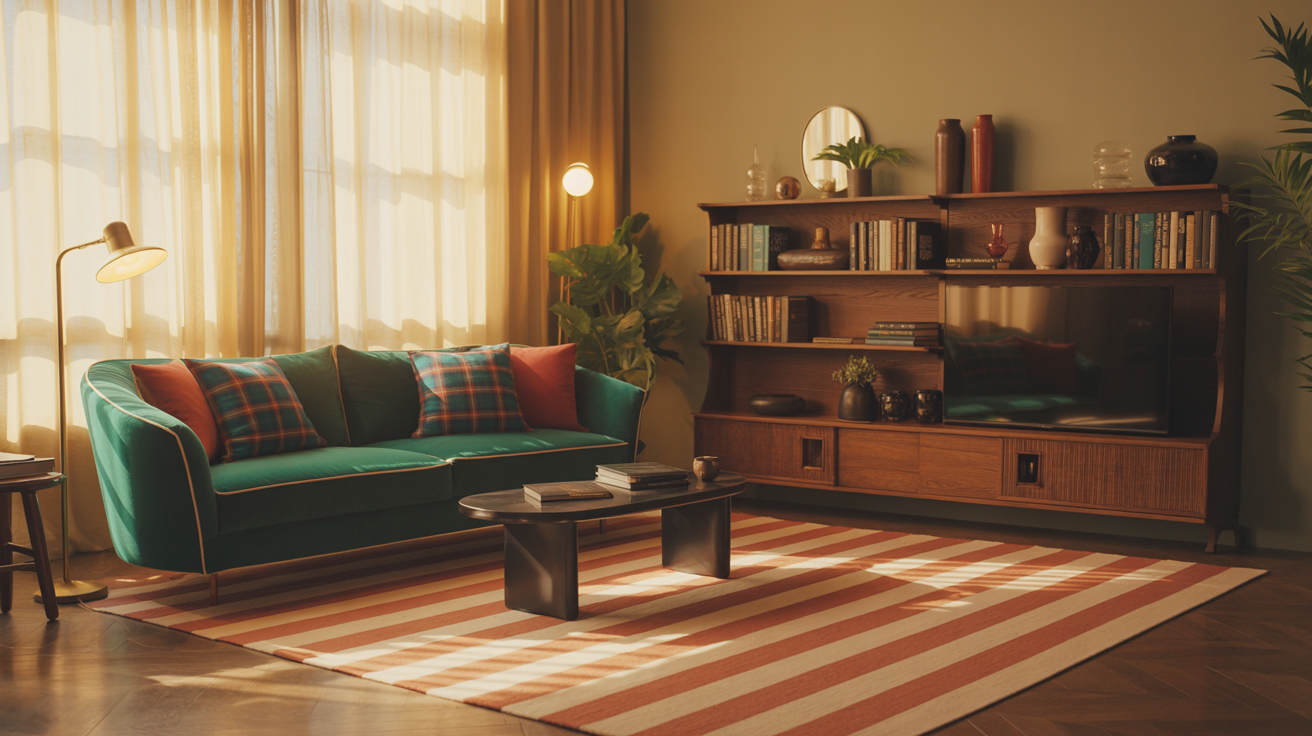
The 90s are back, and honestly, they never really left. From scrunchies to slip dresses, everything from that decade is having a serious moment right now, and living room decor is no exception. If you grew up in the 90s, you already know how good those interiors felt, and if you did not, you are about to find out.
What made 90s living rooms so special was their unapologetic personality. Bold colors, chunky furniture, playful patterns, and an overall sense of comfort that modern minimalism sometimes forgets to include. There was a warmth to those spaces that felt genuinely lived-in and real.
The good news is that bringing 90s living room decor into a modern home does not mean your space will look like a time capsule. With the right approach, these ideas feel fresh, relevant, and stylish today. It is all about borrowing the best parts of that era and leaving the questionable ones behind.
Why 90s Living Room Style Is Making Such a Strong Comeback in Modern Interior Design
Nostalgia is a powerful force in interior design, and the 90s aesthetic is hitting people right in the feelings right now. Millennials who grew up in that decade are now homeowners with real decorating budgets, and they want spaces that feel personally meaningful. That emotional connection to a specific era is exactly what drives a trend from niche to mainstream.
Beyond nostalgia, 90s decor actually offers some genuinely smart design principles. The emphasis on comfort, bold self-expression, and mixing patterns and textures aligns surprisingly well with where modern interior design is heading. People are tired of cold, sterile spaces and are actively looking for warmth and personality.
The 90s revival also benefits from a broader cultural shift toward maximalism and away from the all-white, everything-neutral aesthetic that dominated the 2010s. Designers and homeowners alike are embracing color, pattern, and individuality again. Here is a quick look at how 90s living room elements translate into today’s design language:
| 90s Element | Modern Equivalent | Why It Works Today |
| Jewel-toned sofas | Velvet statement seating | Adds luxury and color |
| Chunky wood furniture | Solid oak and walnut pieces | Warmth and durability |
| Geometric patterns | Abstract and graphic textiles | Visual interest without clutter |
| Bold wallpaper | Peel-and-stick feature walls | Easy and renter-friendly |
| Layered rugs | Textured rug stacking | Cozy and designer-approved |
| Oversized entertainment unit | Media wall with open shelving | Functional and stylish |
| Plaid and tartan textiles | Heritage check throws and cushions | Classic and timeless |
The 90s gave us some of the most personality-rich interiors in recent memory. Bringing those elements back with a modern eye creates living rooms that feel both nostalgic and completely current.
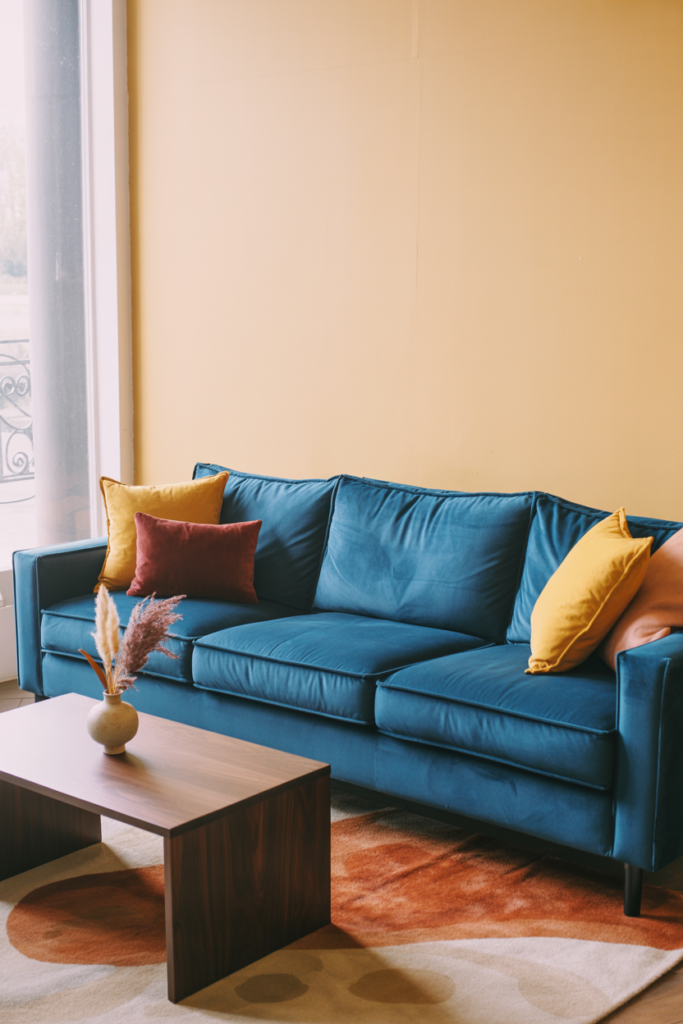
1. Jewel-Toned Velvet Sofa as the Bold and Colorful Centerpiece of a Nostalgic 90s Living Room
A jewel-toned velvet sofa is probably the single most effective way to channel 90s living room energy in a modern home. Deep emerald, sapphire blue, and rich burgundy were everywhere in 90s interiors, and velvet was the fabric of choice. Today, these same colors in velvet upholstery feel luxurious rather than dated.
The key is keeping the surrounding decor relatively grounded so the sofa can do its job as the focal point. Neutral walls, simple wooden furniture, and a patterned rug create a balanced backdrop. The sofa becomes the statement without the room feeling overwhelming.
I love how a jewel-toned velvet sofa works in both small and large living rooms. In a smaller space, it adds drama and intention. In a larger room, it anchors the seating area with confidence and color.
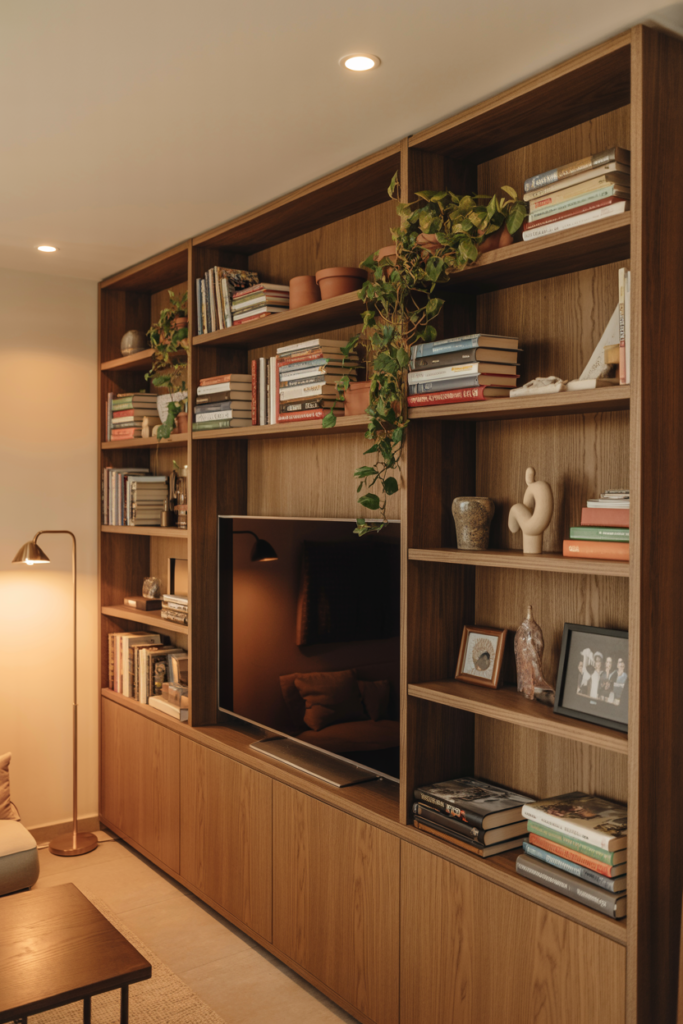
2. Chunky Wooden Entertainment Unit With Open Shelving for a Classic 90s Living Room Storage Look
The chunky wooden entertainment unit was the centerpiece of almost every 90s living room, and it deserves a proper comeback. Today’s version swaps heavy laminate finishes for solid oak or walnut, which gives the same generous proportions but with a much more refined material quality. Open shelving sections allow you to display books, plants, and decorative objects alongside your media setup.
This piece works especially well in larger living rooms where wall space is available. It creates a full feature wall that feels purposeful and well-designed. Styling the open shelves with a mix of old and new objects adds a collected, personal feel that is very much in the spirit of 90s decor.
I always recommend mixing practical storage with decorative display on these units. Keep cables and tech components tucked into closed sections. Let the open shelves breathe with a curated mix of objects that actually mean something to you.
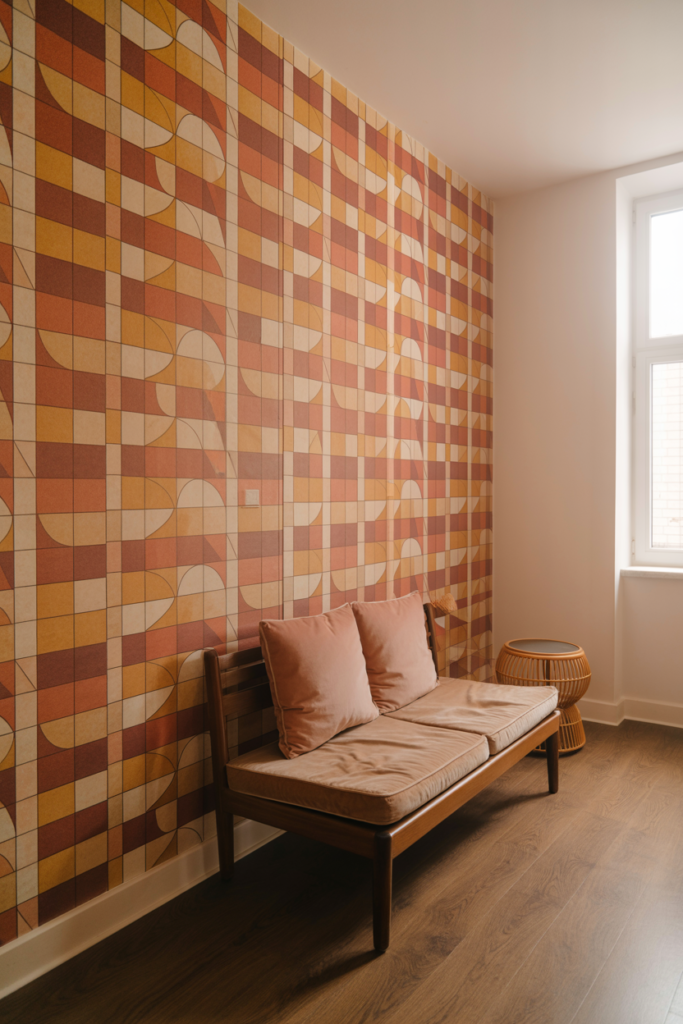
3. Bold Geometric Wallpaper on a Feature Wall to Capture the Graphic and Playful 90s Living Room Aesthetic
Geometric wallpaper was absolutely everywhere in 90s living rooms, and it is one of the easiest ways to bring that era back into a modern space. A single feature wall is more than enough to make a strong visual statement. The rest of the room can stay simple, letting the wallpaper carry the personality of the space.
Modern peel-and-stick wallpaper options make this completely accessible for renters and commitment-phobes alike. You get the full visual impact without touching the walls permanently. Patterns in terracotta, olive, mustard, and teal feel particularly 90s-appropriate and also happen to be very on-trend right now.
The trick is choosing a pattern with enough scale to read clearly from across the room. Small geometric prints can look busy and dated. Larger, bolder patterns feel more intentional and genuinely stylish in a contemporary setting.
4. Oversized Plaid and Tartan Throws and Cushions for a Cozy and Textured 90s Living Room Feel
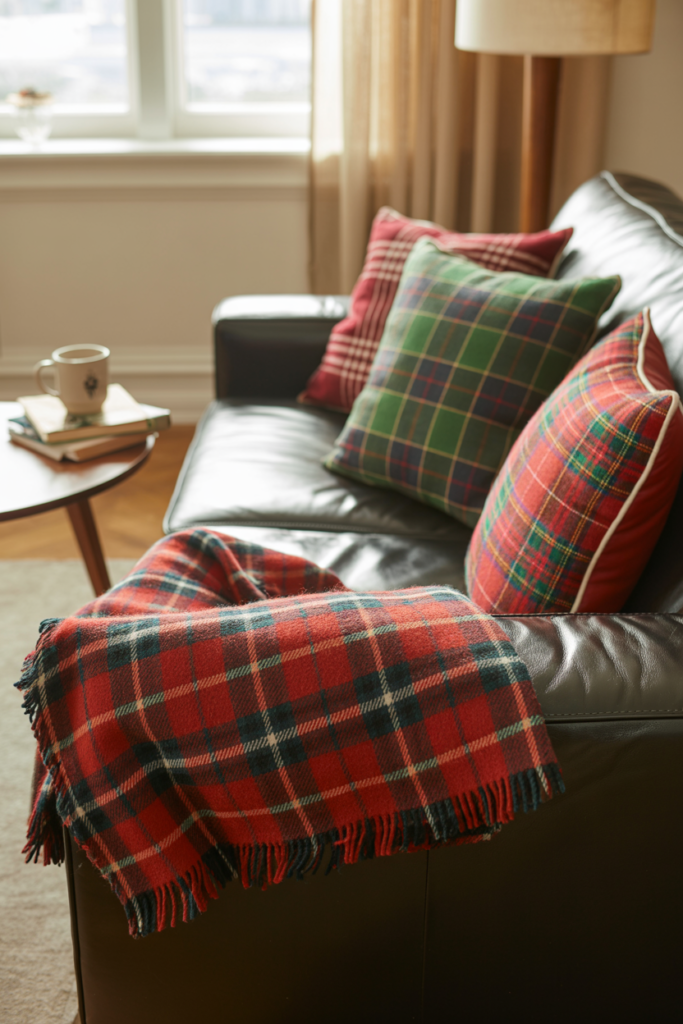
Plaid and tartan textiles were a staple of 90s living room decor, and they translate beautifully into modern interiors. A chunky plaid throw draped over a sofa or armchair instantly adds warmth and a nostalgic quality that is hard to replicate with anything else. Tartan cushions in classic color combinations like red and black or green and navy feel timeless rather than trendy.
These textiles work particularly well in living rooms that lean toward a warm, cozy aesthetic. They pair naturally with wooden furniture, leather seating, and earthy-toned walls. The layering of different plaid scales across cushions and throws adds visual depth without requiring any major decorating commitment.
I find plaid and tartan textiles to be one of the most budget-friendly ways to add 90s character to a living room. A good throw costs very little but changes the entire feel of a sofa. It is a small change with a genuinely big impact.
5. Terracotta and Earthy Color Palette on Walls and Accessories for a Warm 90s Living Room Atmosphere
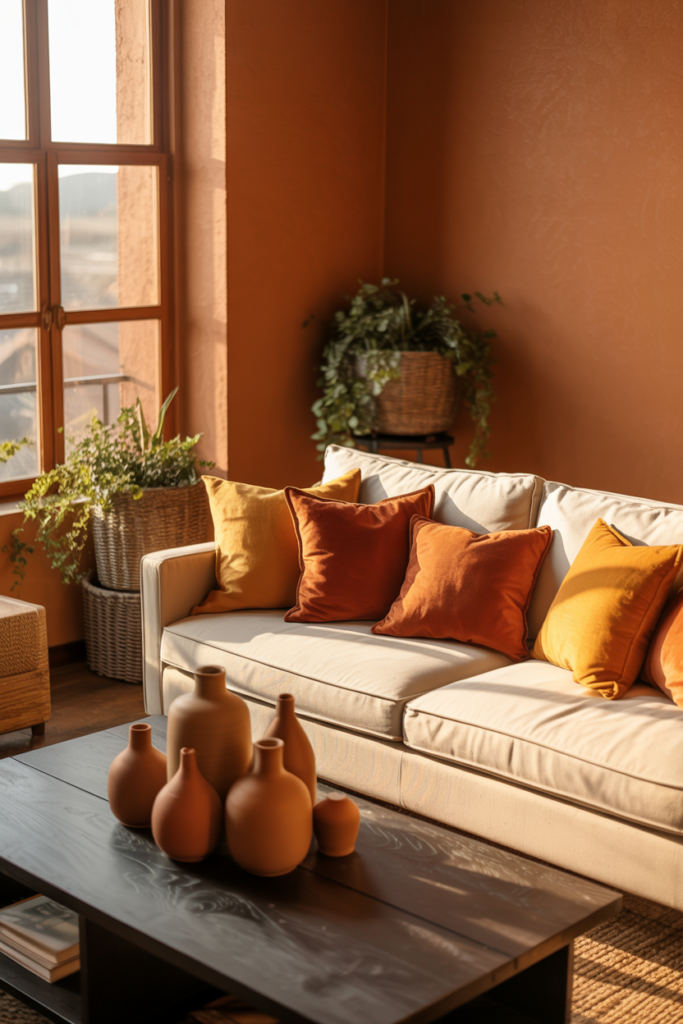
Terracotta was one of the defining colors of 90s interior design, and it has aged incredibly well. Warm earthy tones on walls, in ceramic accessories, and across soft furnishings create a living room that feels grounded, cozy, and full of character. This palette also happens to photograph beautifully, which is a nice bonus.
Terracotta walls pair naturally with wooden furniture, woven textiles, and plants. The combination creates a layered, organic feel that draws on both 90s nostalgia and contemporary biophilic design principles. It is one of those rare color choices that works across multiple design styles simultaneously.
Accessories in complementary earthy tones like ochre, burnt orange, and warm brown reinforce the palette without requiring a complete room overhaul. Ceramic vases, woven baskets, and clay plant pots all contribute to this warm, textured atmosphere. The result feels genuinely inviting and lived-in.
6. Oversized Sectional Sofa in a Neutral Tone for the Ultimate Comfortable and Spacious 90s Living Room Setup
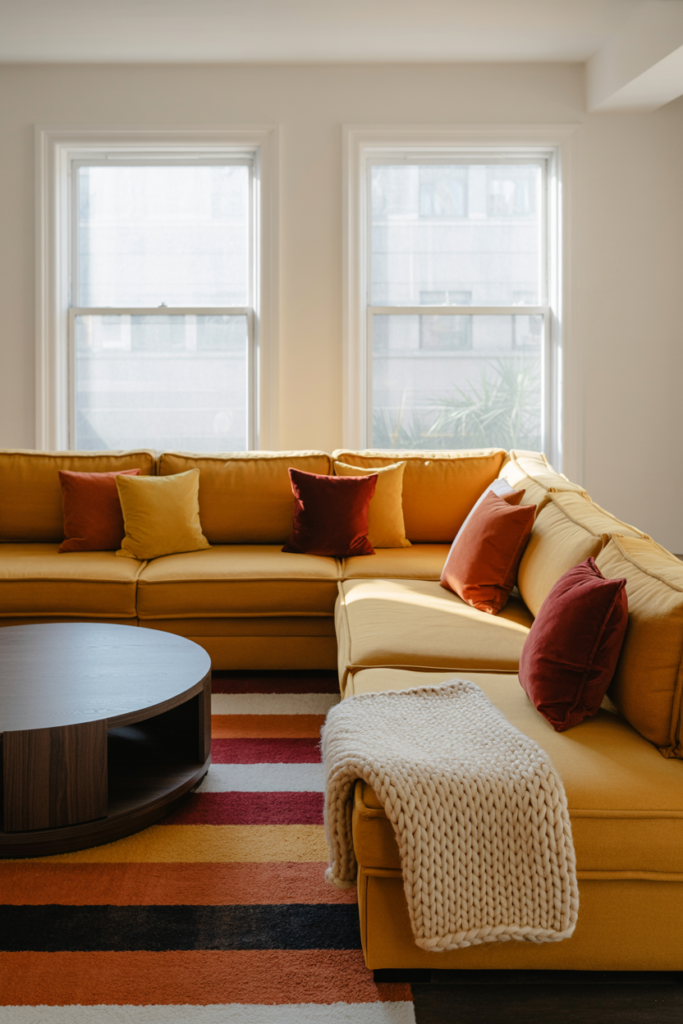
The oversized sectional sofa was a 90s living room icon, and for very good reason. It prioritized comfort above everything else, offering enough seating for the whole family plus anyone who happened to stop by. Today’s sectionals have cleaner lines and better upholstery options, but the generous proportions remain the same.
A neutral-toned sectional in cream, warm grey, or oatmeal works beautifully as the foundation of a 90s-inspired living room. It provides a calm base that lets bolder decorative elements shine around it. Layering colorful cushions and a patterned throw over the top adds the personality that the 90s aesthetic demands.
Sectional sofas also work brilliantly for defining zones in open-plan living spaces, which is something many modern homes require. The back of the sofa naturally separates the living area from a dining or kitchen zone. It is functional and stylish in equal measure.
7. Wicker and Rattan Furniture Pieces Mixed With Upholstered Seating for a Textured and Layered 90s Living Room Look
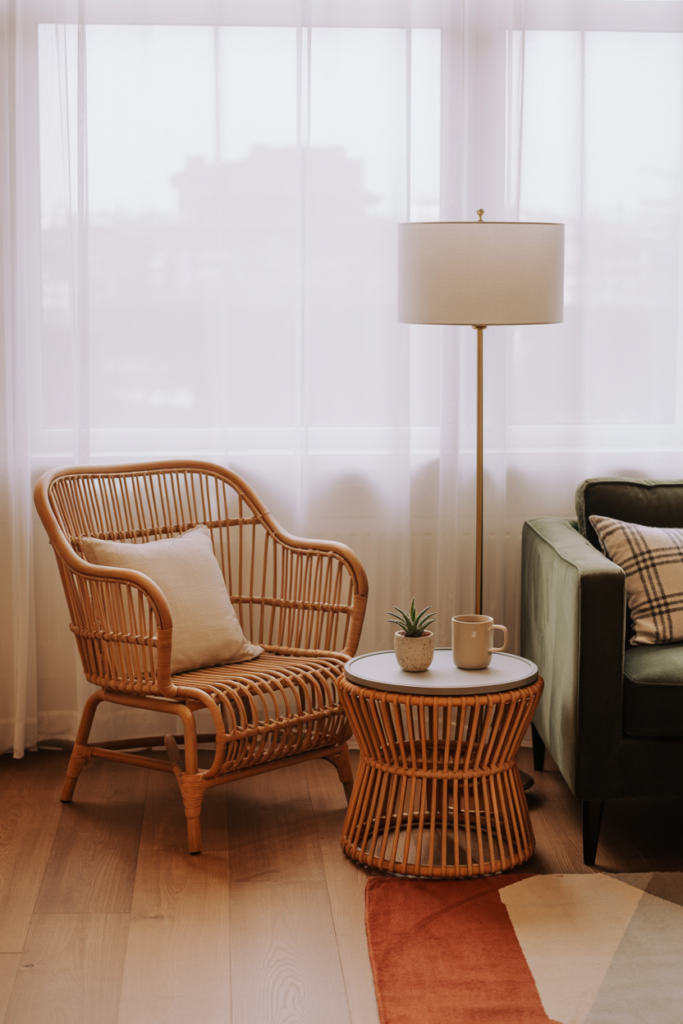
Wicker and rattan furniture had a huge moment in the 90s interiors, and the current rattan revival has made these pieces feel completely fresh again. A rattan armchair, side table, or plant stand adds natural texture and warmth to a living room that no manufactured material can replicate. Mixed with upholstered seating, rattan creates a layered look that feels collected and genuinely interesting.
The natural tone of rattan works with almost any color palette, which makes it incredibly versatile. It sits beautifully alongside jewel tones, earthy neutrals, and even bold geometric patterns. This versatility is a big part of why rattan has remained a design staple across multiple decades.
I particularly love a rattan armchair positioned beside a floor lamp in a reading corner. It creates an inviting nook that feels cozy and purposeful. Add a plaid throw and a small side table, and you have a genuinely perfect 90s-inspired corner of the room.
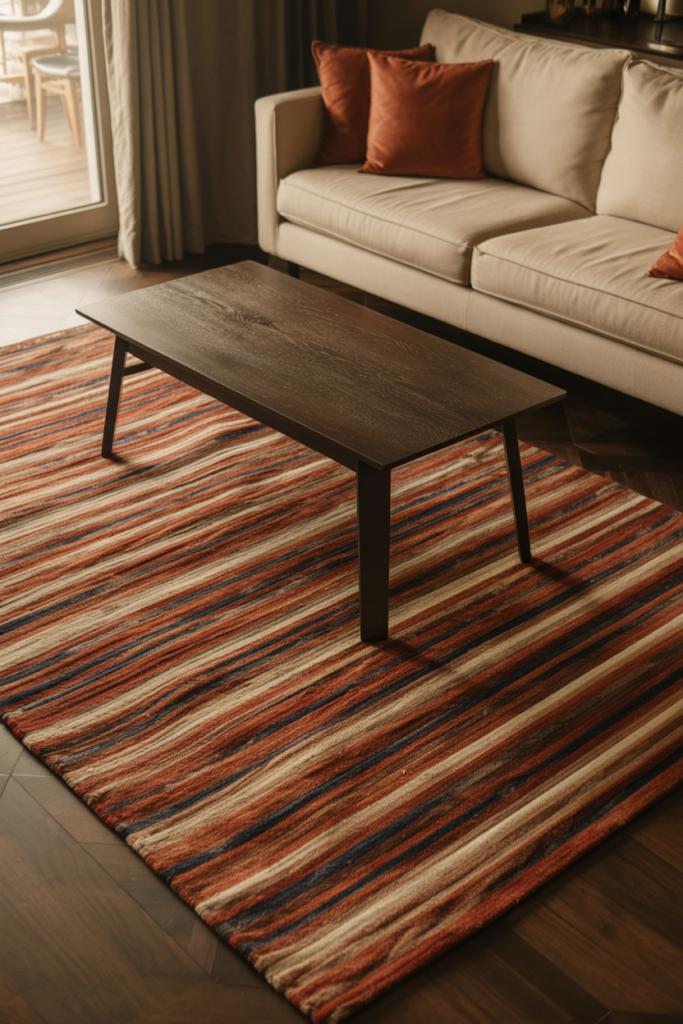
8. Bold Striped or Abstract Area Rug as the Colorful and Pattern-Driven Anchor of a 90s Living Room
A bold area rug was practically a requirement in 90s living rooms, and it remains one of the most effective ways to define and anchor a seating area today. Striped rugs in warm color combinations like red, cream, and navy feel very of that era. Abstract patterns in terracotta, mustard, and teal also capture the 90s spirit beautifully.
The rug sets the color story for the entire room, so choosing it first and building the decor around it is a smart approach. Pull accent colors from the rug into cushions, throws, and accessories for a cohesive, intentional result. This approach creates a room that looks designed rather than assembled piece by piece.
Size matters enormously with area rugs. A rug that is too small looks awkward and disconnected from the furniture around it. Always go larger than you think you need, and make sure that at least the front legs of all seating pieces sit on the rug.
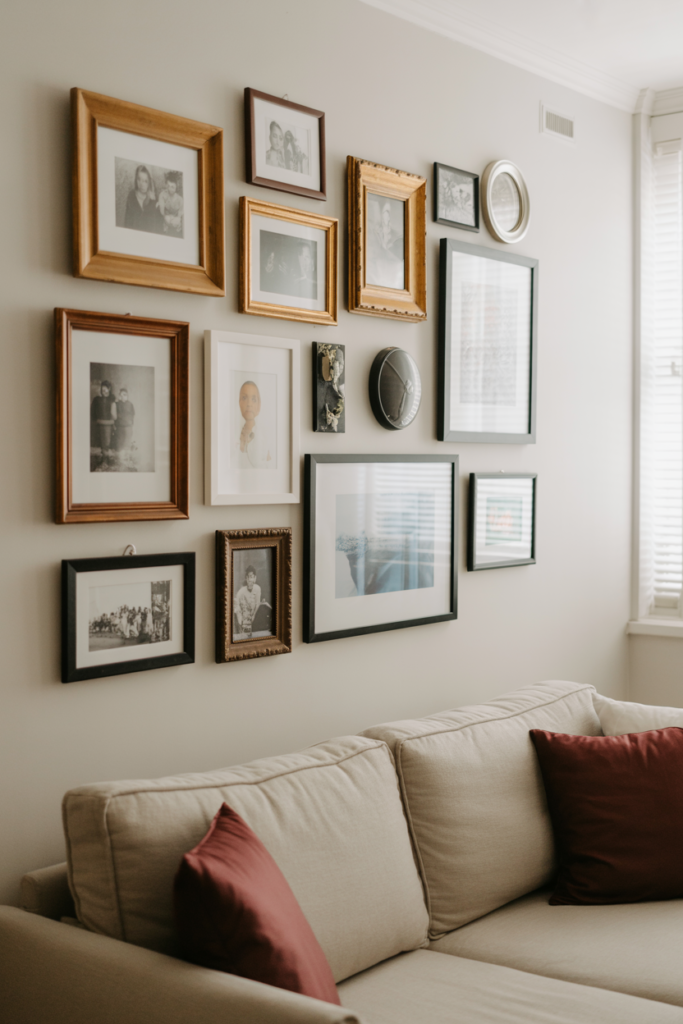
9. Gallery Wall of Framed Prints and Personal Photos in Mismatched Frames for a Personal and Nostalgic 90s Living Room Feature
The 90s were all about personal expression, and nothing captures that better than a gallery wall of framed prints and photographs. Mismatched frames in wood, gold, and black create the kind of collected, organic display that feels genuinely personal rather than showroom-perfect. This is one area where imperfection is absolutely the point.
Mix family photos with art prints, inspirational quotes, and decorative objects mounted on the wall. The combination of personal and decorative pieces creates a display that tells a story about the people who live in the space. That storytelling quality is very much at the heart of 90s interior design.
I always recommend laying out your gallery wall arrangement on the floor before putting a single nail in the wall. It saves a lot of unnecessary holes and lets you adjust the composition until it feels right. Take a photo of the final layout on the floor and use it as your guide when hanging.
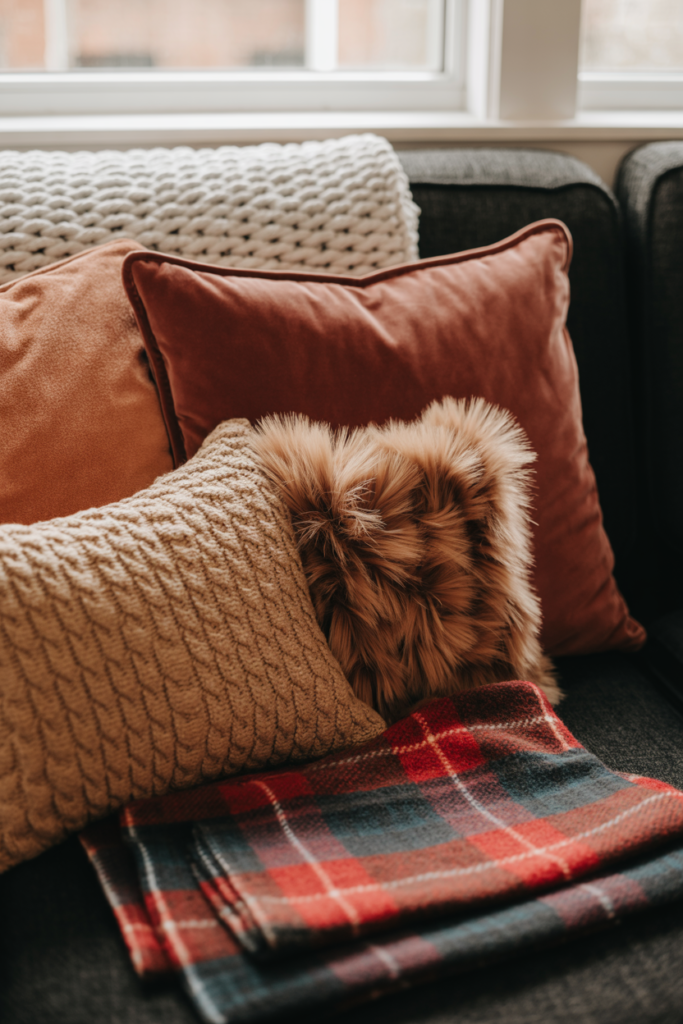
10. Chunky Knit Blankets and Layered Textiles Across Seating Areas for a Warm and Inviting 90s Living Room Atmosphere
Layered textiles were a defining characteristic of 90s living room decor, and they are just as appealing today. Chunky knit blankets draped over sofas and armchairs, layered cushions in varying textures, and a mix of throws in complementary tones create a living room that feels genuinely cozy and welcoming. This is the kind of space you want to spend an entire Sunday afternoon in.
The beauty of layered textiles is that they are completely interchangeable. You can refresh the look of your living room seasonally just by swapping out throws and cushions. It is one of the most flexible and affordable approaches to keeping a space feeling current.
Mixing textures is just as important as mixing colors in a layered textile scheme. Combine chunky knit with smooth velvet, woven cotton with faux fur, and flat linen with tufted cushion covers. The variety of textures keeps the eye moving and makes the room feel rich and well-considered.
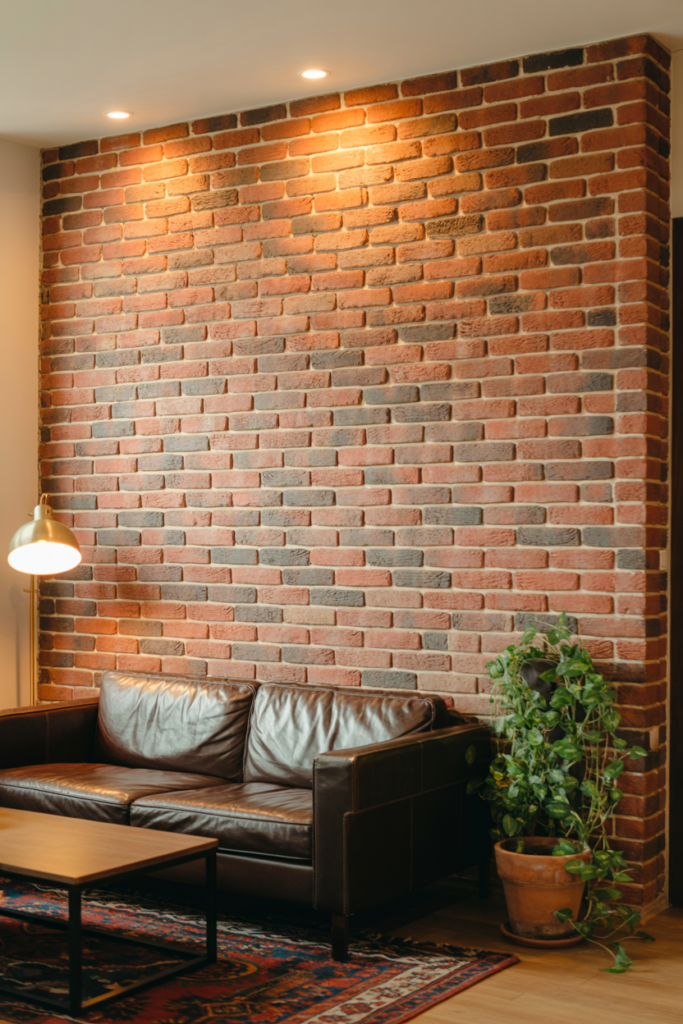
11. Exposed Brick or Faux Brick Wall Treatment for an Authentic and Characterful 90s Living Room Background
Exposed brick was a beloved feature in 90s living rooms, particularly in urban apartments and loft-style spaces. It added raw texture and character that no painted wall could replicate. Today, genuine exposed brick remains a highly desirable feature, but faux brick panels and brick-effect wallpaper make this look completely achievable in any home.
Brick tones in warm red, terracotta, and sandy beige complement almost every 90s-inspired color palette. Against a brick backdrop, wooden furniture, leather seating, and woven textiles look especially warm and grounded. The texture of brick also absorbs light in a way that creates a naturally cozy atmosphere.
If you are working with a faux brick solution, choose a product with realistic depth and variation in tone. Flat, uniform faux brick looks unconvincing. The more variation in color and texture across the surface, the more authentic and genuinely characterful the result.
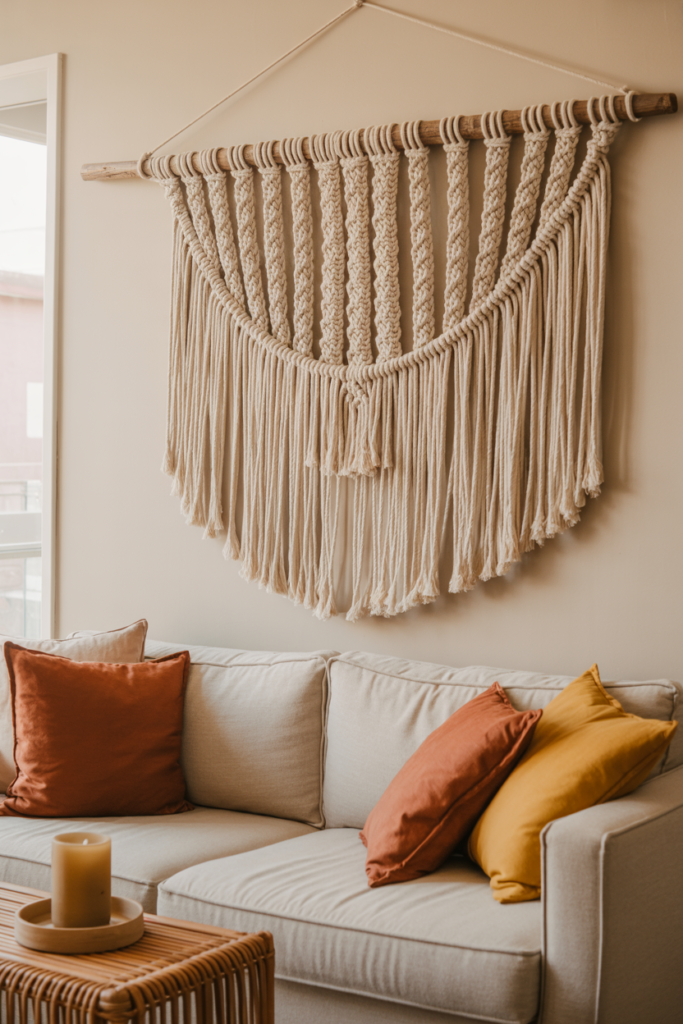
12. Macrame Wall Hangings and Woven Textile Art for a Handcrafted and Bohemian 90s Living Room Accent
Macrame wall hangings were a genuine 90s staple, and the handcrafted, bohemian quality they bring to a living room is hard to replicate with any mass-produced alternative. A large macrame piece above a sofa or fireplace creates an immediate focal point that feels warm, artistic, and personal. The natural cotton fibers also add texture to a wall in a way that feels completely organic.
Macrame works particularly well in living rooms with earthy color palettes and natural material furniture. It sits beautifully alongside rattan, wood, terracotta, and woven textiles. The combination creates a layered, handcrafted atmosphere that feels genuinely considered.
Sourcing macrame from independent makers and local artisans adds an extra layer of authenticity and supports small creative businesses at the same time. Handmade pieces have a quality and uniqueness that mass-produced alternatives simply cannot match. It is one of those decorating choices that feels good in every sense.
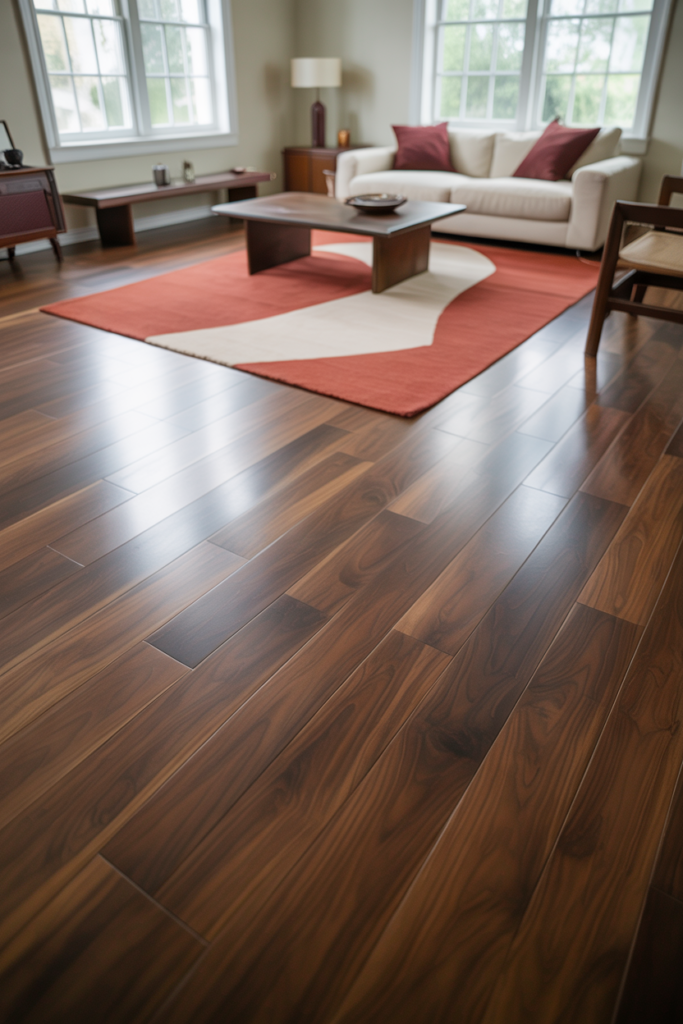
13. Dark Wood Flooring or Wood-Effect Flooring as the Warm and Grounding Base for a 90s Living Room Design
Dark wood flooring was a signature element of 90s living room design, and it remains one of the most timeless flooring choices available today. Rich walnut, dark oak, and mahogany tones create a warm, grounding base that makes every piece of furniture and every decorative element look more considered. The depth of color adds a richness to the room that lighter flooring simply cannot provide.
Modern engineered wood and luxury vinyl options mean that dark wood flooring is now more accessible and practical than ever before. These products offer excellent durability alongside a genuinely convincing wood aesthetic. They also work well with underfloor heating, which is a practical advantage in a family living room.
Layering a bold area rug over dark wood flooring is a combination that feels particularly 90s in the best possible way. The rug adds pattern and softness while the floor provides a rich, warm frame around it. Together, they create a living room base that feels complete and genuinely well-designed.
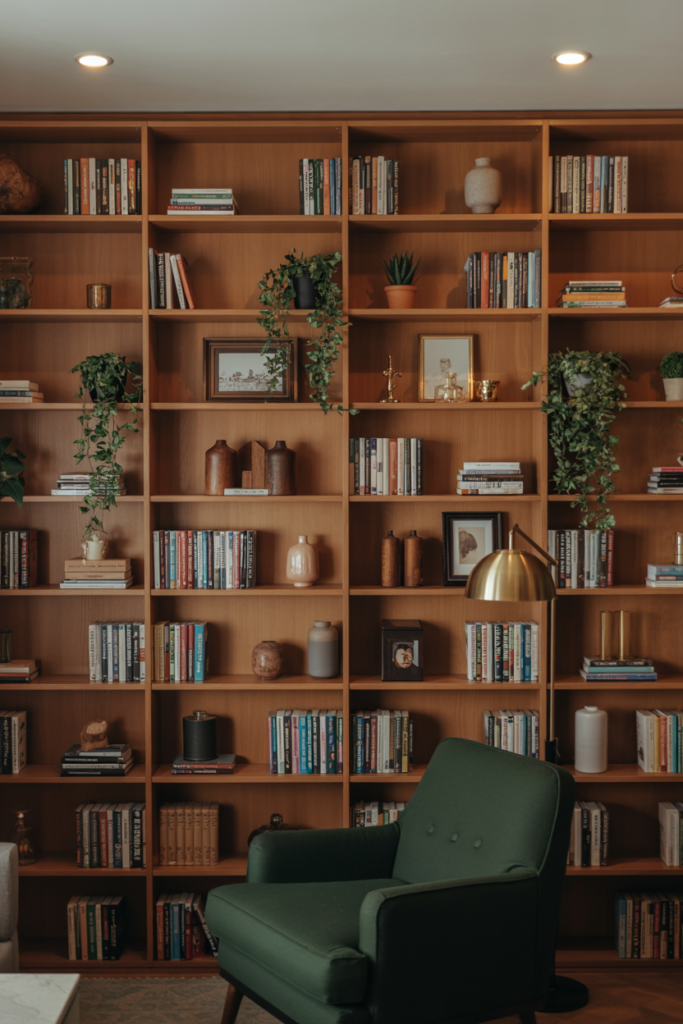
14. Floor-to-Ceiling Bookshelves Styled With Books, Plants, and Decorative Objects for a Classic and Intellectual 90s Living Room Look
Floor-to-ceiling bookshelves were a beloved feature of 90s living rooms, particularly in homes that wanted to feel cultured and characterful. A full wall of shelving filled with books, plants, framed photos, and decorative objects creates a living room backdrop that is endlessly interesting to look at. It also makes the room feel genuinely personal and lived-in.
The styling of the shelves matters as much as the shelves themselves. Mix vertical and horizontal book stacking, intersperse plants at varying heights, and include objects that have personal meaning alongside purely decorative pieces. The combination of order and slight imperfection is what makes a bookshelf display feel real rather than staged.
I find that a bookshelf wall also serves a very practical acoustic purpose in a living room. The books and objects absorb sound in a way that bare walls cannot, which makes the room feel quieter and more intimate. It is a functional benefit that most people never think about until they experience it.
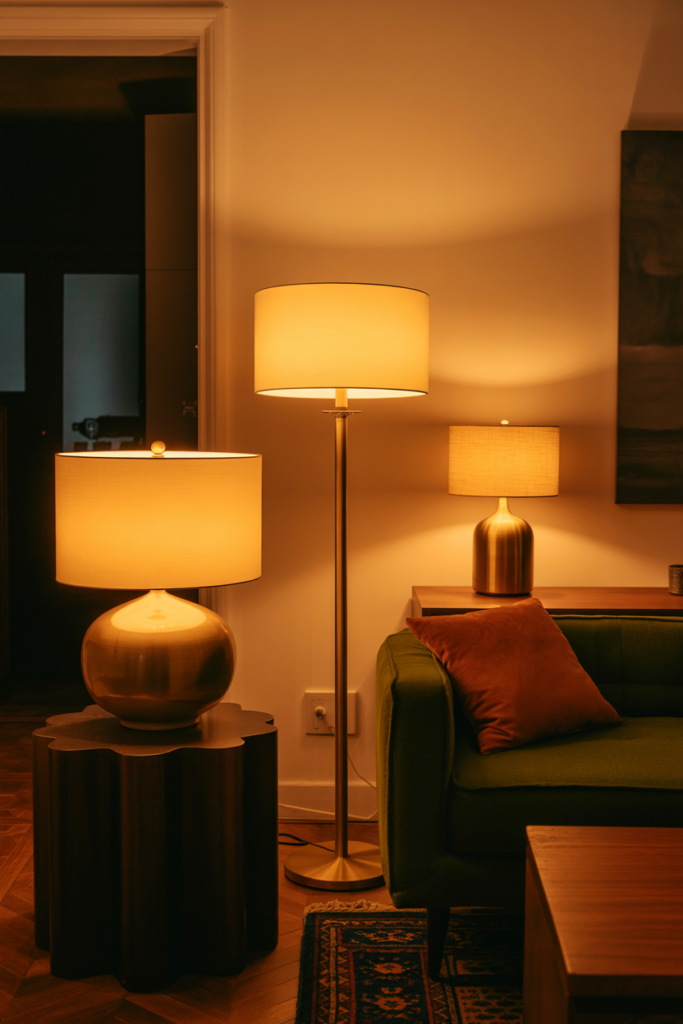
15. Statement Table Lamp and Floor Lamp Combinations for Warm and Layered 90s Living Room Lighting
Lighting in 90s living rooms was all about warmth and layers rather than harsh overhead illumination. Tall floor lamps with fabric shades, chunky ceramic table lamps, and warm-toned bulbs created pools of soft light that made the room feel cozy and inviting at any time of day. This approach to lighting is one of the most impactful and underrated elements of the 90s interior aesthetic.
Combining a floor lamp beside an armchair with table lamps on side tables and a central pendant creates a layered lighting scheme that works for every occasion. Bright enough for reading and relaxing during the day, dimmed and atmospheric in the evenings. The variety of light sources prevents the flat, uniform look that a single overhead light creates.
Lamp bases in ceramic, brass, and dark wood feel very true to the 90s aesthetic. Fabric shades in warm tones like cream, amber, and dusty rose cast a flattering golden light that makes the entire room feel warmer. This is one of those finishing details that ties an entire living room together more effectively than almost anything else.
How to Mix 90s Living Room Decor With Modern Pieces Without the Space Looking Outdated or Confused
Mixing 90s decor with modern pieces is genuinely easier than most people expect. The key is treating 90s elements as intentional design choices rather than accidental leftovers. When each retro piece looks deliberately chosen, the overall effect reads as curated and stylish rather than confused or dated.
A good rule of thumb is to anchor the room with modern, clean-lined furniture and layer 90s character through textiles, accessories, lighting, and accent pieces. This keeps the overall structure of the room feeling contemporary while the personality comes from the nostalgic details. The balance between the two is what creates a living room that feels both fresh and genuinely interesting.
Here is a simple guide to help balance 90s and modern elements effectively:
| Room Element | 90s Touch | Modern Balance |
| Seating | Jewel-toned velvet sofa | Clean-lined silhouette |
| Flooring | Dark wood or bold rug | Simple, uncluttered layout |
| Walls | Geometric wallpaper feature wall | Neutral surrounding walls |
| Lighting | Layered floor and table lamps | Minimal ceiling fixture |
| Accessories | Macrame, rattan, plaid textiles | Edited, curated display |
| Storage | Open shelving with styled objects | Concealed storage for tech |
Getting this balance right creates a living room that feels personal, warm, and genuinely stylish without leaning so far into nostalgia that it stops feeling like a real home for today.
A 90s Living Room That Feels Nostalgic and Fresh at the Same Time Is Absolutely Worth Creating.
After going through all 15 ideas, I hope it is clear that 90s living room decor is far more versatile than most people give it credit for. This is not about recreating a time capsule or forcing a decade’s worth of trends into one room. It is about borrowing the warmth, personality, and bold confidence that defined that era and making it work beautifully in a modern home.
The ideas in this list cover a wide range of budgets, commitment levels, and personal styles. Whether you go all in with jewel-toned velvet seating and dark wood flooring, or keep it subtle with a plaid throw and a macrame wall hanging, the 90s spirit comes through either way. Small changes genuinely add up to a big overall effect.
What I love most about this aesthetic is how livable it is. These are not rooms designed to look good in photographs and feel uncomfortable in real life. They are spaces built around comfort, self-expression, and genuine personality, and that is exactly what a living room should be.
Conclusion
These 15 nostalgic 90s living room decor ideas prove that this decade had some genuinely brilliant design instincts worth revisiting. From jewel-toned velvet sofas and chunky wooden entertainment units to layered textiles, macrame wall hangings, and bold geometric wallpaper, each idea brings a distinct kind of warmth and character to a modern living space.
The key takeaways are straightforward. Use 90s elements intentionally and pair them with clean modern pieces to keep the overall look fresh. Let one or two statement pieces carry the nostalgic character of the room while the surrounding decor stays grounded and contemporary. Prioritize comfort, texture, and personal expression above all else, because that is what 90s living room design was always really about.
A well-executed 90s-inspired living room feels cozy, confident, and completely personal. It is the kind of space that actually gets better the longer you spend time in it. If you have been looking for permission to bring some of that decade’s boldness back into your home, consider this your sign to go for it.
Frequently Asked Questions
Q1. What colors are most associated with 90s living room decor? Terracotta, jewel tones like emerald and sapphire, mustard yellow, burgundy, and warm earthy neutrals were all signature 90s living room colors. These shades work beautifully in modern interiors too, especially when paired with natural materials like wood and rattan. They create a warm, grounded atmosphere that feels both nostalgic and current.
Q2. Can I achieve a 90s living room look on a tight budget? Absolutely. Textiles are the most affordable entry point into this aesthetic. A plaid throw, a chunky knit cushion, or a bold area rug can shift the entire feel of a living room toward 90s territory without requiring any significant investment. Thrift stores and vintage markets are also excellent sources for authentic 90s pieces at very reasonable prices.
Q3. How do I stop a ’90s-inspired living room from looking too dated or old-fashioned? The key is pairing every 90s element with something clean and contemporary. A jewel-toned sofa with modern legs, a macrame wall hanging on an otherwise minimal wall, or a bold rug in a room with simple furniture all strike the right balance. Keeping the overall structure of the room modern allows the nostalgic accents to feel intentional rather than accidental.
Q4. What furniture styles work best in a 90s inspired living room? Chunky wooden pieces, oversized sectional sofas, rattan and wicker furniture, and floor-to-ceiling bookshelves all feel very true to the 90s aesthetic. Today’s versions of these pieces tend to have cleaner lines and better quality materials, which makes them feel simultaneously nostalgic and completely current. Mix upholstered seating with natural material accent pieces for the most layered and interesting result.
Q5. Is 90s living room decor suitable for small spaces? Yes, with some thoughtful editing. In a smaller living room, choose one or two strong 90s elements rather than layering many at once. A jewel-toned sofa, a bold area rug, or a gallery wall each make a strong statement without overwhelming a compact space. Keep surrounding surfaces relatively clear to prevent the room from feeling cluttered.
Q6. What lighting works best in a 90s inspired living room? Layered warm lighting is the most authentic and effective approach. Combine a tall floor lamp beside seating with ceramic or wooden table lamps on side surfaces and a central pendant with a warm-toned bulb. Avoid harsh, cool white lighting, as it completely undermines the cozy, warm atmosphere that 90s living room design depends on. Warm amber bulbs make an immediate and significant difference.
Q7. Where can I find authentic 90s living room decor pieces today? Vintage and thrift stores are the best starting point for genuinely authentic pieces. Online marketplaces like eBay and Etsy also have strong selections of 90s-era furniture, lighting, and accessories. For new pieces with a 90s-inspired aesthetic, look for brands that specialize in retro or vintage-style home decor, as the current revival has made these products widely available at a range of price points.