
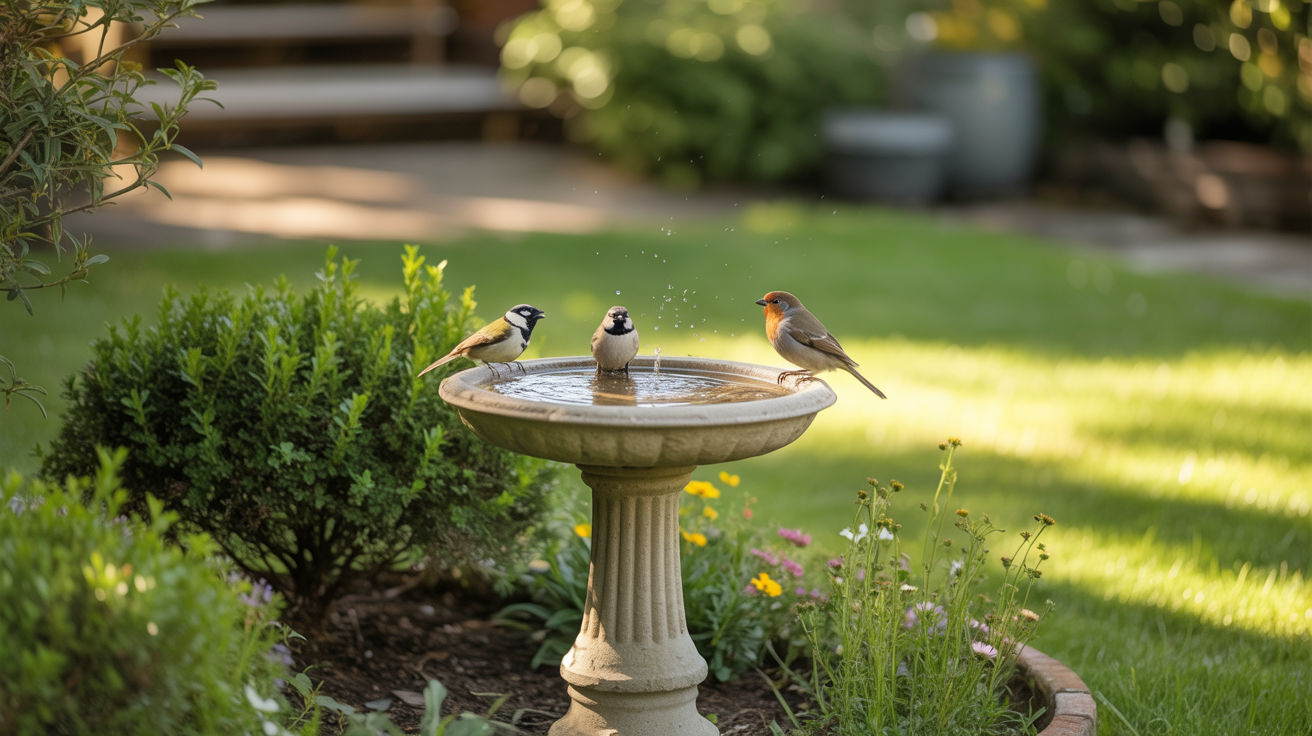
If you want more birds visiting your garden, the right bird bath makes all the difference. Birds need fresh water for drinking and bathing, and a well-chosen bird bath turns any yard into a busy little bird hub. I have seen plain gardens transform into lively spaces just by adding the right water feature.
Choosing a bird bath is not just about picking something pretty. It is about understanding what birds actually need and what designs work best for different garden styles. From classic pedestal baths to solar-powered fountains, there are so many options worth exploring.
I will walk you through the best bird bath designs that genuinely attract more birds. Whether you have a big backyard or a small balcony, there is a perfect option for every space and budget.
Why the Right Bird Bath Design Attracts More Birds to Your Garden
Bird baths do more than add visual charm to your outdoor space. They serve as a reliable water source that birds actively seek out, especially during dry and hot months. A well-placed bird bath can attract sparrows, robins, finches, and even hummingbirds regularly.
Not every bird bath works equally well. Birds prefer shallow water, gentle movement, and a safe open location where they can spot predators easily. I learned this the hard way after setting up a deep, decorative bath that sat empty for weeks because no bird dared use it.
The design really does matter. Textured surfaces give birds a better grip, while moving water creates sound that attracts birds from a distance. Getting these details right is what separates a bird bath that birds love from one that just collects leaves.
What Makes a Bird Bath Design Truly Bird-Friendly
A good bird bath design puts the bird’s comfort first. The basin should be no deeper than 2 inches at the center, with gently sloping sides so birds can wade in gradually. Rough or textured bottoms help small birds grip without slipping.
Material plays a big role too. Concrete and stone baths stay cool in summer and are easy to clean. Ceramic baths look beautiful but can crack in frost, so they work better in warmer climates. I personally prefer a simple concrete basin because it is sturdy, affordable, and birds seem completely at ease with it.
Water movement is probably the single biggest factor that draws birds in. A small solar dripper or a fountain attachment adds ripples and sound that birds find irresistible. Even a slow drip from above can make your bird bath the most popular spot in the neighborhood.
8 Best Bird Bath Designs to Attract More Birds to Your Garden
1. Classic Pedestal Bird Bath
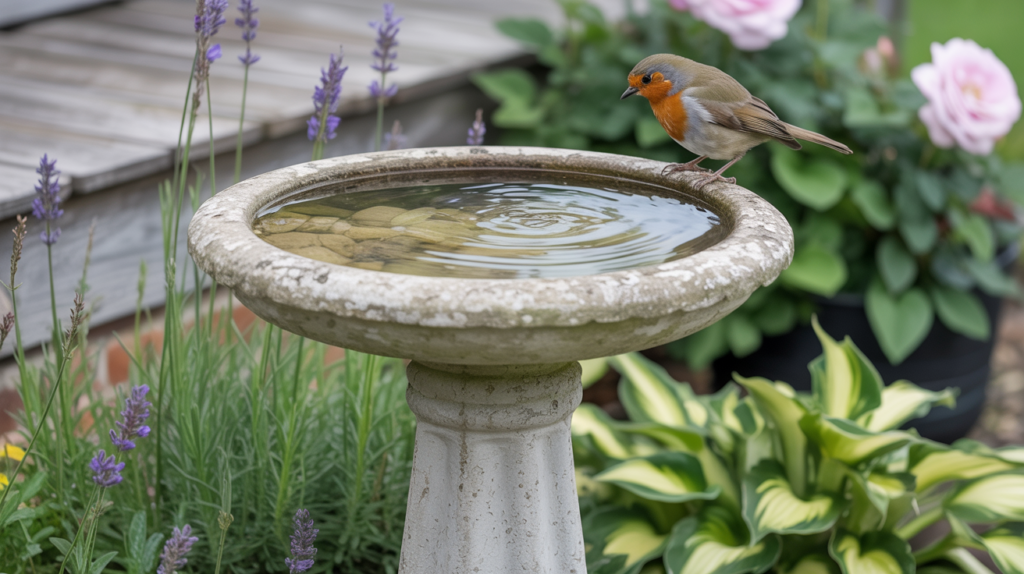
The classic pedestal bird bath is probably the most recognized design in any garden. It sits at a comfortable height that keeps birds safe from ground-level predators like cats. I have had one in my front yard for years and it consistently attracts the most visitors through every season.
Pedestal baths come in concrete, resin, and stone finishes. Concrete versions are the most durable and weather well over time. Resin options are lighter and easier to move around if you like rearranging your garden layout.
The wide, shallow basin of a pedestal bath works perfectly for small and medium-sized birds. Robin, sparrows, and starlings all use it comfortably. Pair it with a solar fountain attachment and you will notice a clear increase in bird activity within days.
2. Solar-Powered Fountain Bird Bath
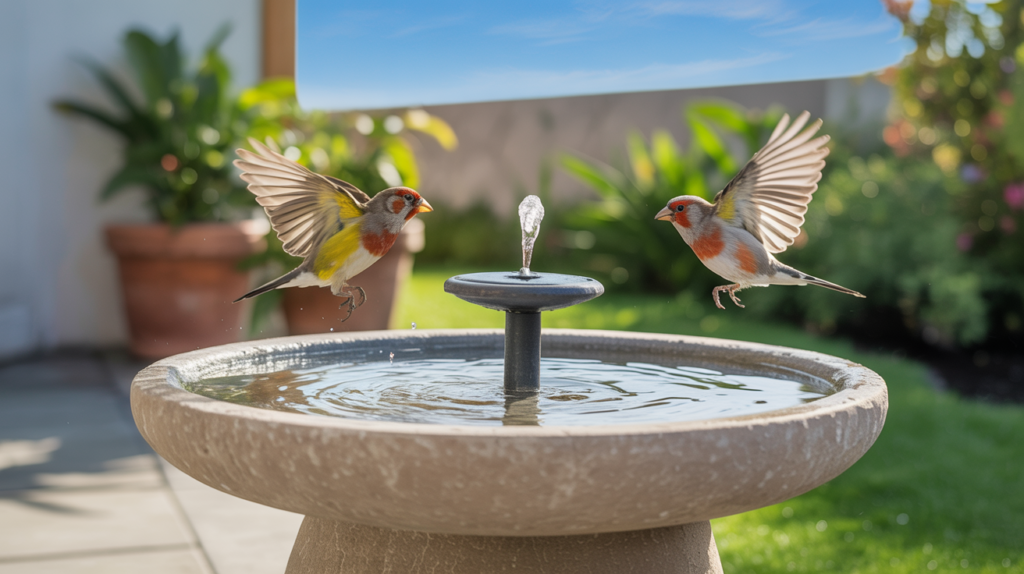
A solar-powered fountain bird bath is one of the smartest investments for any bird lover. The gentle water movement attracts birds far more effectively than still water. Birds can hear the sound of moving water from a surprising distance.
These baths run entirely on sunlight, so there are no wiring costs or electricity bills to worry about. Most models include a small solar panel that powers a pump, keeping water circulating throughout the day. I find this design particularly useful during summer when birds are constantly searching for cool, fresh water.
The fountain also helps keep the water cleaner by preventing stagnation. Mosquitoes struggle to breed in moving water, which is a bonus nobody talks about enough. It is genuinely one of the most practical bird bath designs available today.
3. Ground-Level Bird Bath
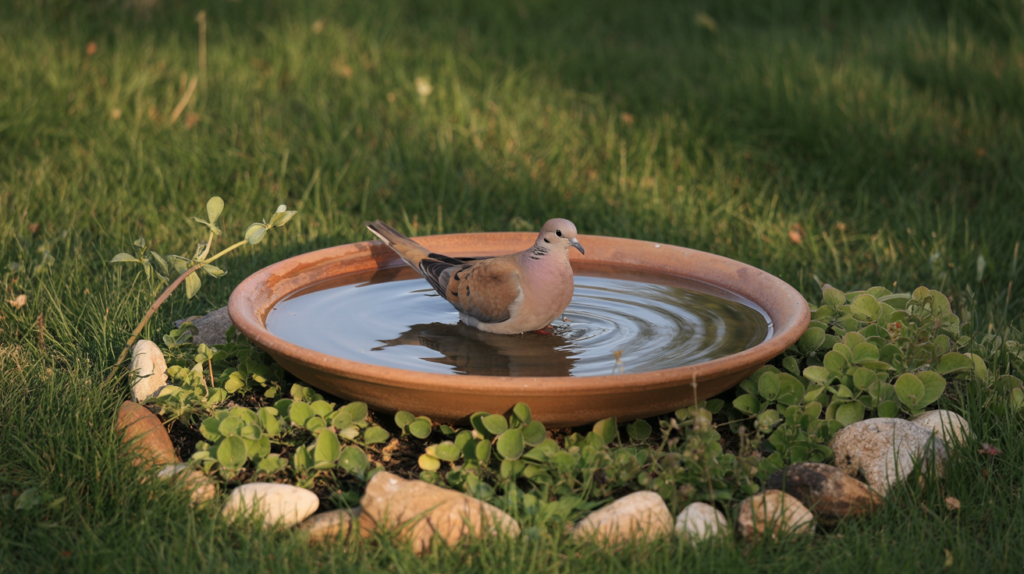
Ground-level bird baths mimic natural puddles that birds encounter in the wild. Many bird species, including mourning doves and thrushes, actually prefer drinking and bathing at ground level. Placing a shallow dish or basin directly on the ground can attract species that avoid elevated baths entirely.
The key is choosing a wide, shallow dish with gently sloping edges. A terracotta plant saucer works surprisingly well and costs very little. I started with one during a dry summer and was genuinely surprised by how quickly different bird species found it.
Keep ground baths in a semi-open area with some nearby shrubs for cover. Birds feel safer when they can retreat quickly if needed. Clean and refill it daily since ground baths tend to collect debris faster than elevated designs.
4. Hanging Bird Bath
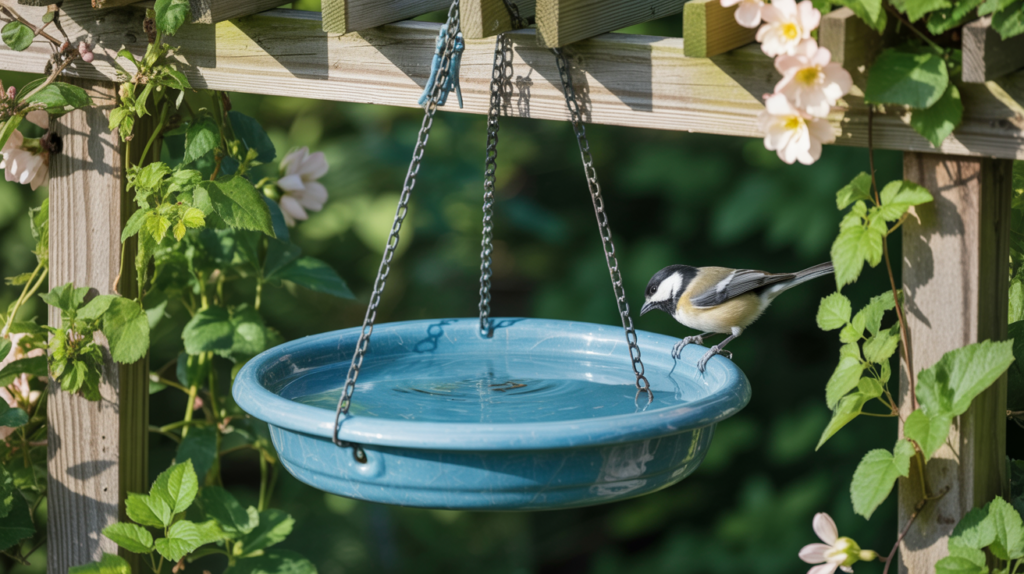
A hanging bird bath is a clever solution for small gardens, patios, and balconies. It suspends from a tree branch, pergola, or shepherd’s hook, keeping it off the ground and away from most predators. I think it is one of the most underrated bird bath styles for compact outdoor spaces.
Most hanging baths are made from lightweight materials like resin or recycled plastic. They come in fun shapes and colors that add personality to any garden corner. The gentle swaying movement in the breeze can also create small ripples that attract birds naturally.
Make sure the hanging position gets some shade during the hottest part of the day. Direct sun heats the water quickly, making it unappealing for birds. A shaded spot under a tree canopy works perfectly and keeps the water fresher for longer.
5. Dripper and Mister Bird Bath
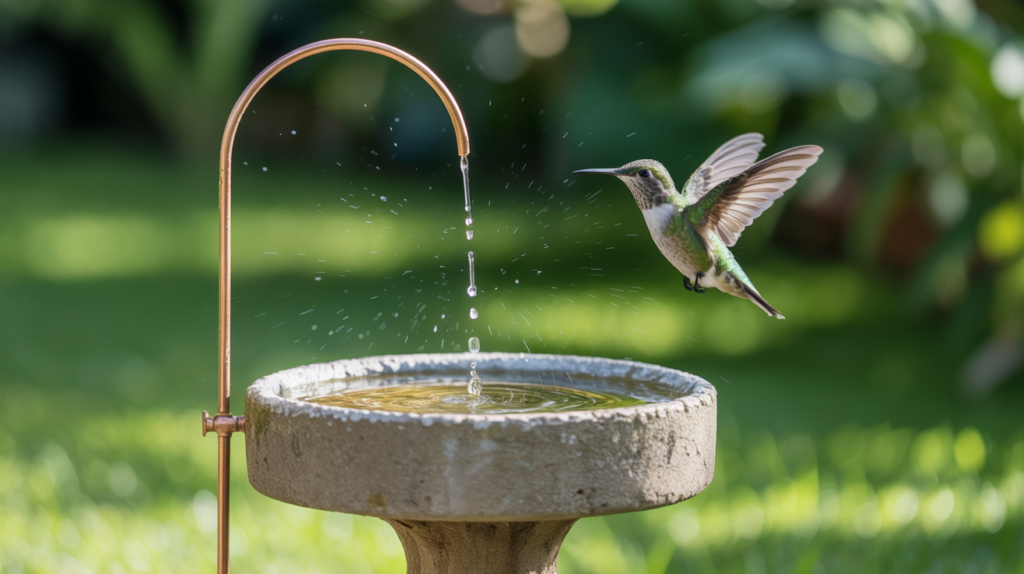
A dripper or mister attachment transforms any basic bird bath into a highly attractive water feature. The sound of dripping water is one of the strongest signals that draws birds toward a water source. Hummingbirds in particular go absolutely wild for a fine mist spray.
Drippers attach easily to most standard bird baths and connect to a garden hose. You can control the flow to create a slow, steady drip that keeps the water moving without overflowing the basin. I added a dripper to my old concrete bath and bird visits doubled within the first week.
Misters work differently by creating a fine spray above the bath. Small birds like warblers and chickadees love flying through the mist to cool down during hot days. If you want to attract a wider variety of species, combining a dripper and a mister is a genuinely good approach.
6. Heated Bird Bath for Winter
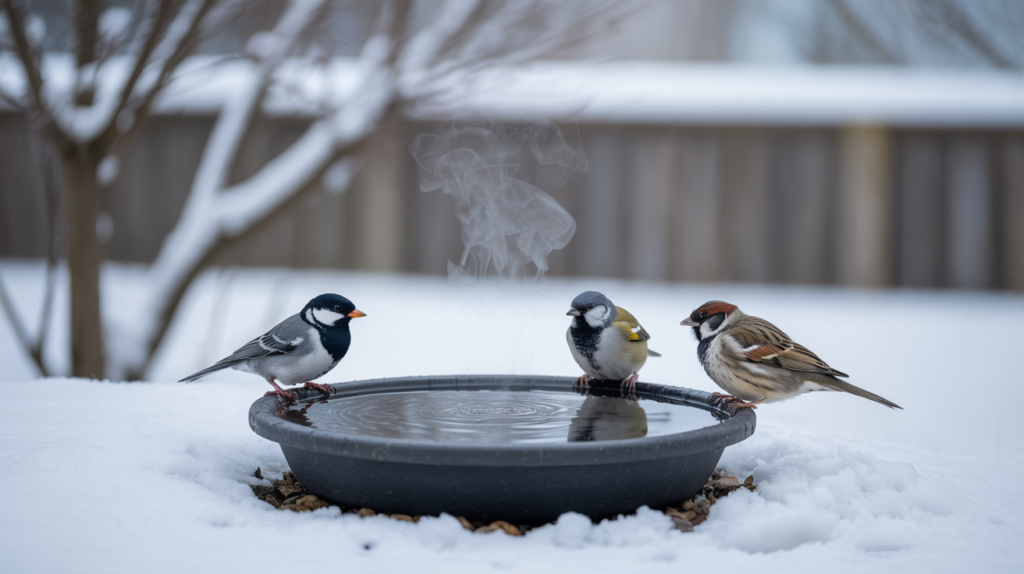
A heated bird bath is something every gardener in a cold climate should seriously consider. Water sources freeze over in winter, leaving birds struggling to find anything to drink. A heated bath keeps water liquid even during freezing temperatures, making your garden a reliable stop for winter birds.
Most heated bird baths have a built-in thermostat that activates only when temperatures drop near freezing. This keeps energy use low while ensuring the water stays accessible. I was amazed at how many birds showed up at my heated bath during the first cold snap last winter.
You do not need to heat the water to a warm temperature. Birds just need it to remain unfrozen and drinkable. Even a simple heated base placed under an existing bath can do the job without buying an entirely new unit.
7. Naturalistic Rock or Stone Bird Bath
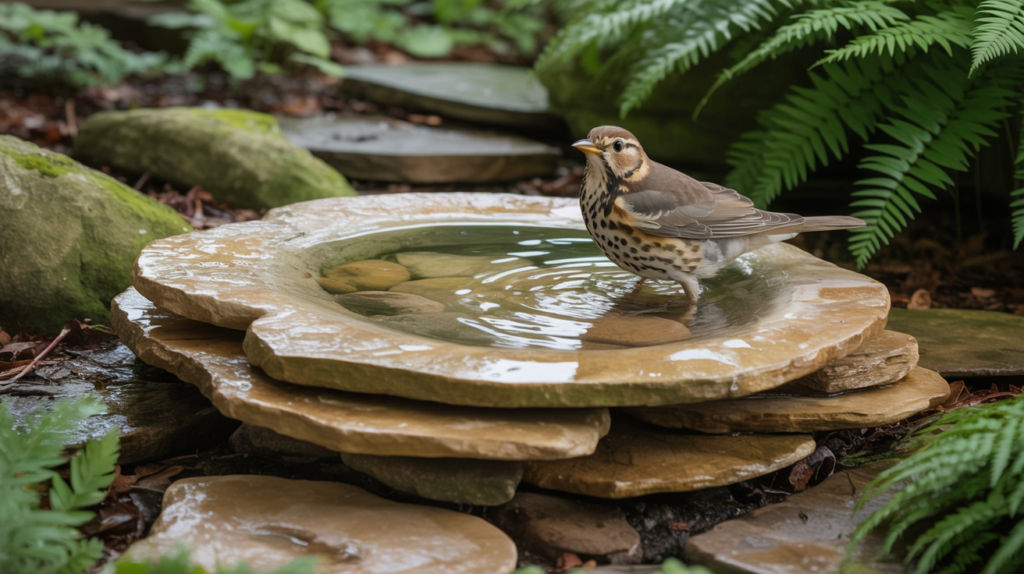
A naturalistic rock or stone bird bath blends seamlessly into garden landscaping. These designs mimic natural rock formations where water collects, which birds instinctively recognize as safe drinking spots. They look beautiful in cottage gardens, wildlife gardens, and woodland-style outdoor spaces.
You can buy purpose-made stone baths or create your own using flat rocks arranged to form a shallow basin. The rough texture of natural stone gives birds excellent grip, which they seem to appreciate more than smooth ceramic surfaces. I built a simple one using flat sandstone pieces and it became the busiest spot in my garden almost immediately.
Position it near low-growing plants or ground cover for a natural look. Adding a small submersible pump creates a gentle trickle effect that enhances both the visual appeal and bird attraction. It is one of those designs that looks expensive but does not have to be.
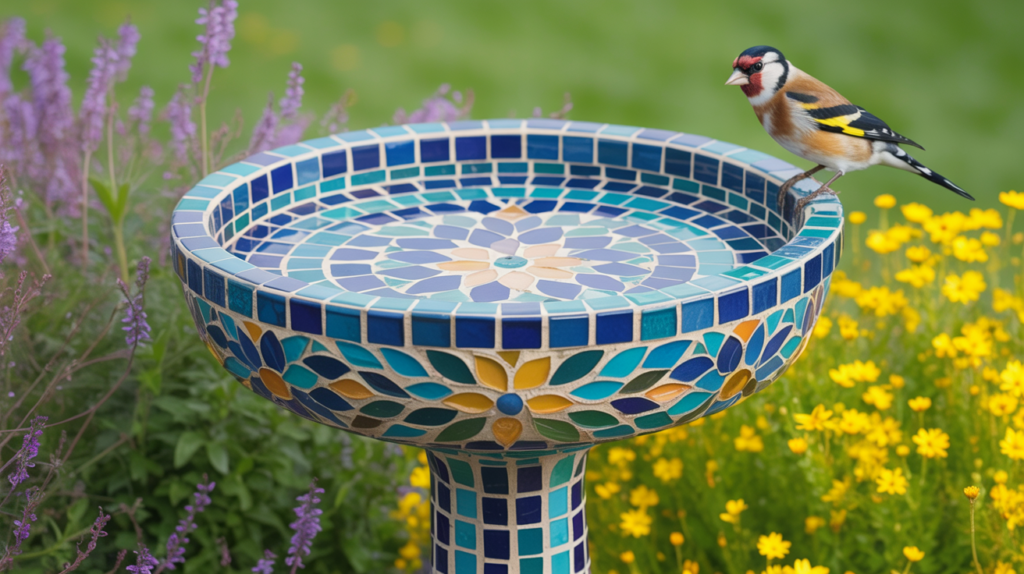
8. Decorative Ceramic or Glass Mosaic Bird Bath
A decorative ceramic or mosaic bird bath adds a real splash of color and artistry to any garden. These baths are often handcrafted and work as garden focal points as much as functional water features. If you enjoy a garden that feels curated and personal, this style fits perfectly.
Mosaic baths come in stunning patterns using colored glass, ceramic tiles, and stone pieces. The textured mosaic surface also gives birds better footing inside the basin. I have seen some truly gorgeous handmade versions at local garden markets that rival anything sold in large garden centers.
Keep in mind that ceramic and mosaic baths need careful handling in colder climates. Frost can crack the tiles or the base if water sits inside and freezes. Bringing them indoors or emptying them before a freeze keeps them looking good for many seasons.
How to Place Your Bird Bath for the Best Results
Placement is just as important as the design you choose. A bird bath in the wrong spot will sit unused no matter how well made it is. Birds are cautious creatures and they need to feel safe before they will stop for a drink or a bath.
The best position is an open area with a clear sightline in all directions. Birds need to spot approaching predators quickly, so avoid placing baths right against walls or dense shrubs. At the same time, having a tree or shrub within a few feet gives them a quick escape route if needed.
Shade matters more than most people realize. Full sun heats the water fast and encourages algae growth. I always position my bird baths where they get morning sun and afternoon shade, and the water stays fresher and cooler throughout the day.
| Placement Factor | Best Practice |
| Height | 2 to 3 feet off the ground for most species |
| Distance from cover | 5 to 10 feet from shrubs or trees |
| Sun exposure | Morning sun, afternoon shade |
| Distance from feeders | Within 10 to 15 feet for convenience |
| Away from windows | At least 3 feet to avoid bird collisions |
Conclusion
Finding the best bird bath design for your garden really comes down to knowing what birds need and matching that with your outdoor space. The right bath brings reliable bird activity, adds natural beauty, and gives you something genuinely enjoyable to watch from your window.
From classic pedestal baths to solar fountains, heated winter baths, and naturalistic stone designs, every option on this list serves a real purpose. Moving water attracts more birds, shallow basins keep them safe, and smart placement ties everything together.
I always say the best bird bath is the one that suits both your garden and your local bird population. Start with one design, observe which birds visit, and build from there. You might be surprised how quickly your garden becomes the most popular address on the block.
Frequently Asked Questions
Q1. What is the best bird bath design to attract the most birds?
Solar-powered fountain baths and dripper-style baths attract the widest variety of birds because moving water draws them in through both sight and sound. Shallow basins with textured surfaces work best across different bird species.
Q2. How deep should a bird bath be?
A bird bath should be no deeper than 1 to 2 inches at the center. Gently sloping sides allow birds of all sizes to wade in comfortably without the risk of drowning.
Q3. How often should I clean my bird bath?
Clean your bird bath at least two to three times a week during warm months. Scrub the basin with a stiff brush and rinse thoroughly to remove algae, dirt, and bacteria buildup.
Q4. Where is the best place to put a bird bath in a garden?
Place your bird bath in an open area with some nearby cover like a shrub or small tree. Morning sun and afternoon shade keeps the water cool and fresh longer through the day.
Q5. Can I use a bird bath in winter?
Yes, and it is actually very helpful for birds during cold months. A heated bird bath or a simple heater base keeps water from freezing and gives winter birds a reliable water source when natural supplies are frozen.