
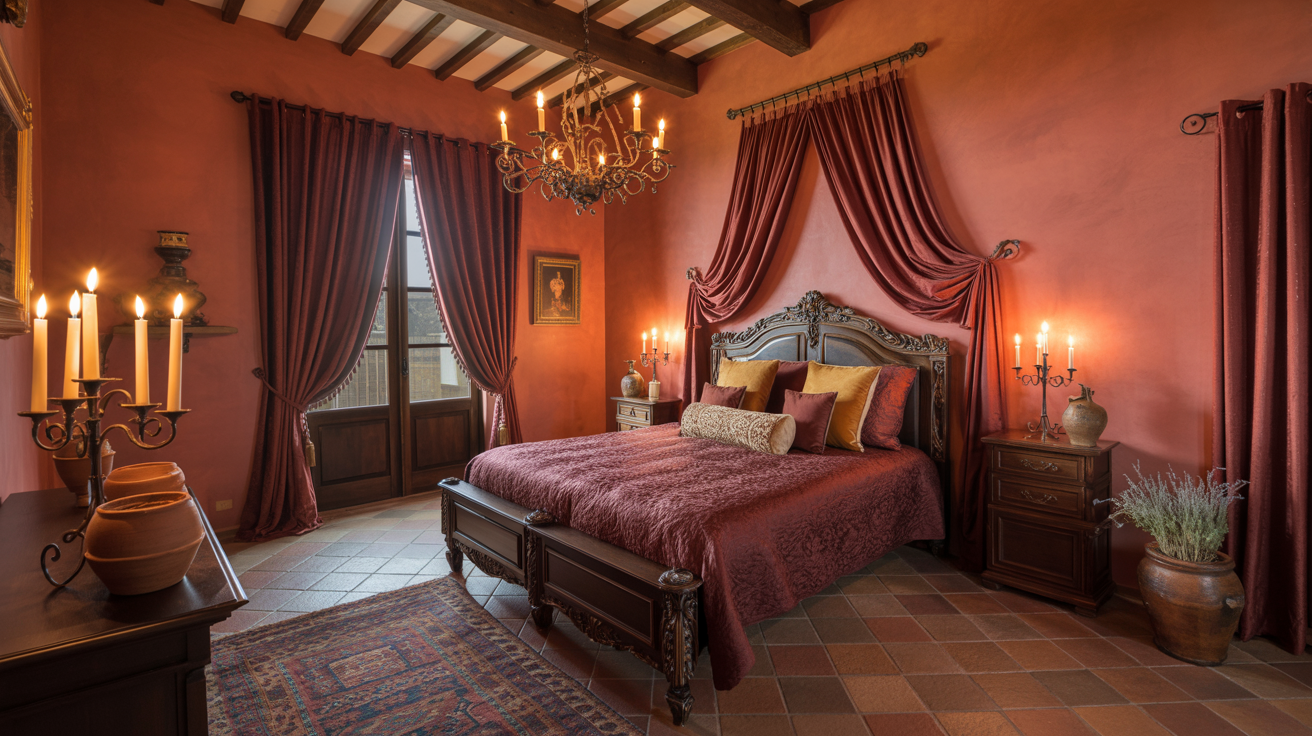
Tuscan bedroom design from the 2000s was genuinely something special, and honestly, it never should have gone anywhere. The rich terracotta tones, the heavy timber furniture, the wrought iron details, the frescoed walls, and the layered textiles all worked together to create bedrooms that felt warm, romantic, and deeply livable. It was a style that made you want to light a candle, pour a glass of red wine, and never leave the room.
The early 2000s Tuscan bedroom aesthetic drew heavily from the Italian countryside, specifically the farmhouses and villas of the Tuscany region, with their sun-baked walls, aged stone floors, and centuries-old timber beams. Interior designers of that era translated those elements into residential bedrooms across the United States and beyond with remarkable success. The result was a bedroom style that felt genuinely transported from another place and time, which is exactly why so many people remember it so fondly.
What makes the 2000s Tuscan bedroom worth revisiting right now is how naturally it aligns with the current appetite for warm, tactile, and character-rich interiors. The minimalism pendulum has swung back, and people genuinely want richness, texture, and personality in their bedrooms again. The Tuscan style offers all of that in abundance, and it does so with a warmth and romance that few other design aesthetics can match.
Why the 2000s Tuscan Bedroom Style Deserves a Serious Place in Today’s Most Warm and Character-Rich Home Interiors
The Tuscan bedroom aesthetic of the 2000s succeeded because it was built on genuine design principles rather than passing trends. Warm earthy tones, natural materials, artisan craftsmanship, and a sense of aged, storied beauty are all qualities that hold up beautifully over time. That is exactly why this style feels so relevant again today, even though its peak popularity was over two decades ago.
There is also something deeply comforting about the 2000s Tuscan bedroom that goes beyond aesthetics. The layered textiles, the heavy timber furniture, the soft candlelit atmosphere, and the rich color palette all work together to create a bedroom that feels genuinely sheltered and secure. It is the interior design equivalent of a warm hug, and after years of cold, sparse minimalism, a lot of people are ready for exactly that.
The Tuscan bedroom style also offers remarkable flexibility for modern homes. You do not need a villa in the Italian countryside or even a particularly large bedroom to make it work. The principles of the style, warm color, natural materials, artisan detail, and layered textiles, scale beautifully from a modest guest room to a generously proportioned master suite. That accessibility is a big part of what makes the Tuscan revival so appealing right now.
| Tuscan Bedroom Element | 2000s Version | Modern Revival Version |
| Wall color | Deep terracotta and gold | Warm ochre and burnt sienna |
| Furniture | Heavy carved dark timber | Solid timber with aged finish |
| Textiles | Brocade and heavy damask | Linen and velvet in warm tones |
| Lighting | Wrought iron chandeliers | Aged brass and iron fixtures |
| Flooring | Terracotta tiles | Stone effect or warm timber |
| Wall treatment | Faux fresco and sponge paint | Venetian plaster and limewash |
1. Paint the Walls in a Rich Terracotta or Warm Ochre Tone That Instantly Sets the Tuscan Bedroom Mood
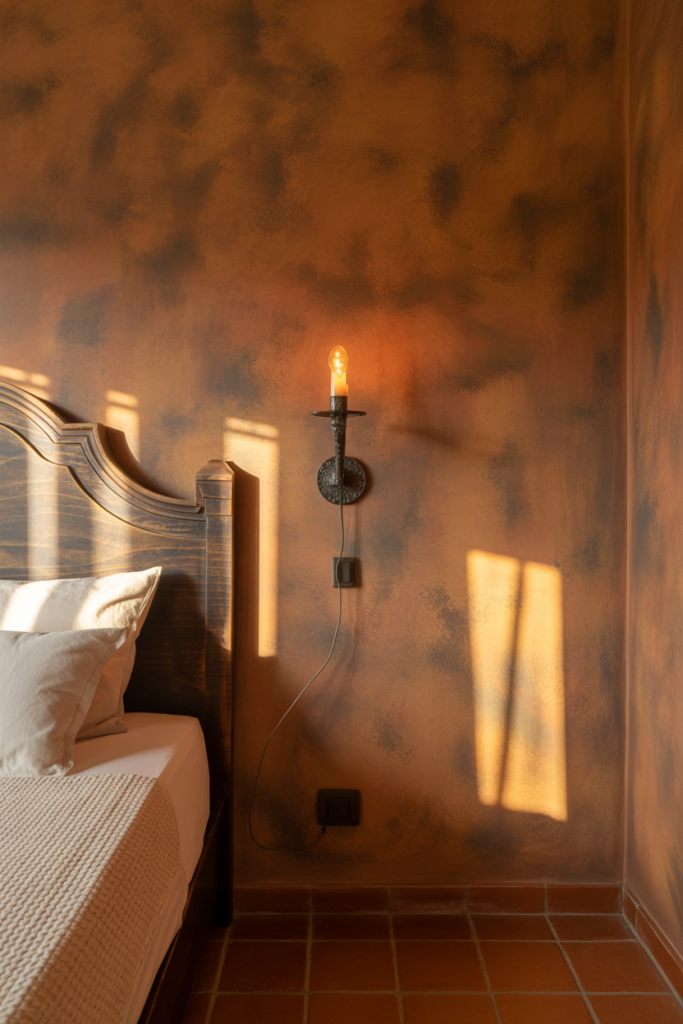
Wall color is the single most powerful tool in creating a Tuscan bedroom atmosphere, and the 2000s version got this exactly right. Rich terracotta, deep burnt sienna, warm ochre, and aged gold are the tones that immediately signal Tuscan countryside warmth the moment you walk into a room. These colors do not just sit on the wall; they actively change the quality of light in the room and make every other element within it look richer and more intentional.
Terracotta in particular is having a genuine moment right now, which makes it a particularly smart choice for a Tuscan bedroom revival. The tone works across both warm daylight and evening lamplight, and it has a natural depth that flat paint simply cannot replicate when applied with a slightly textured technique. A limewash or sponged application, which was very much part of the 2000s Tuscan toolkit, adds even more authenticity and visual warmth to the wall surface.
For a slightly more contemporary take on the Tuscan wall color palette, a warm ochre or aged gold tone on the feature wall behind the bed with softer cream or warm sand tones on the remaining walls creates a layered effect that feels genuinely Tuscan without being quite as immersive as an all-terracotta room. This approach suits modern bedrooms that want Tuscan warmth without the full commitment of surrounding themselves in deep color on every wall.
2. Choose Heavy Dark Timber Furniture With Carved Details That Anchor the Room With Old World Tuscan Character
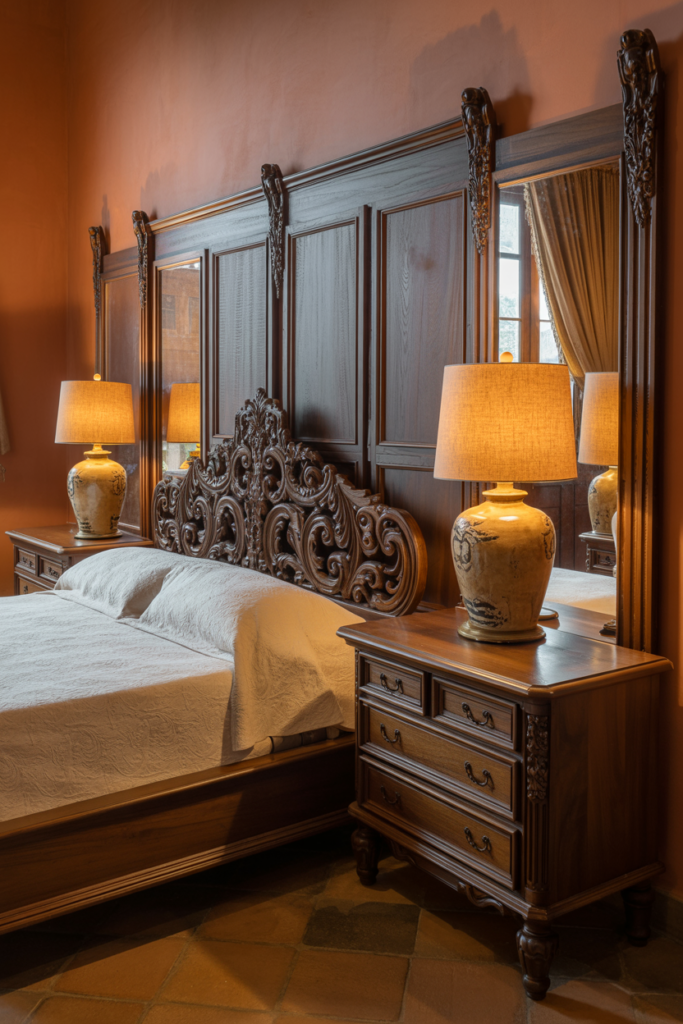
Dark timber furniture was the backbone of every serious 2000s Tuscan bedroom, and for very good reason. Heavy carved wood pieces in deep walnut, mahogany, and espresso tones carried the weight and substance that the Tuscan aesthetic demanded. A substantial timber bed frame with carved headboard details, matching bedside tables with turned legs, and a large armoire or dresser with ornate hardware created a bedroom that felt genuinely furnished rather than merely decorated.
The carving detail on 2000s Tuscan bedroom furniture was never excessive or fussy. It was restrained and purposeful, drawing inspiration from the artisan woodworking traditions of the Italian countryside. Scroll details on headboards, turned legs on side tables, and simple raised panel fronts on dressers and armoires all contributed to the old-world character of the room without tipping over into overly ornate territory. That restraint is what made the furniture feel genuinely elegant rather than theatrical.
Finding this kind of furniture today is more accessible than you might expect. Many furniture makers still produce pieces in the dark carved timber tradition that suits the Tuscan bedroom perfectly. Antique markets and estate sales are also excellent sources for genuine 2000s-era Tuscan pieces that carry real character and patina. A single carved timber armoire from a thrift store, refinished and placed in a warm terracotta room, does an enormous amount of work for the overall Tuscan atmosphere.
3. Install Exposed Wooden Ceiling Beams to Add Authentic Rustic Tuscan Farmhouse Character Above Your Bed
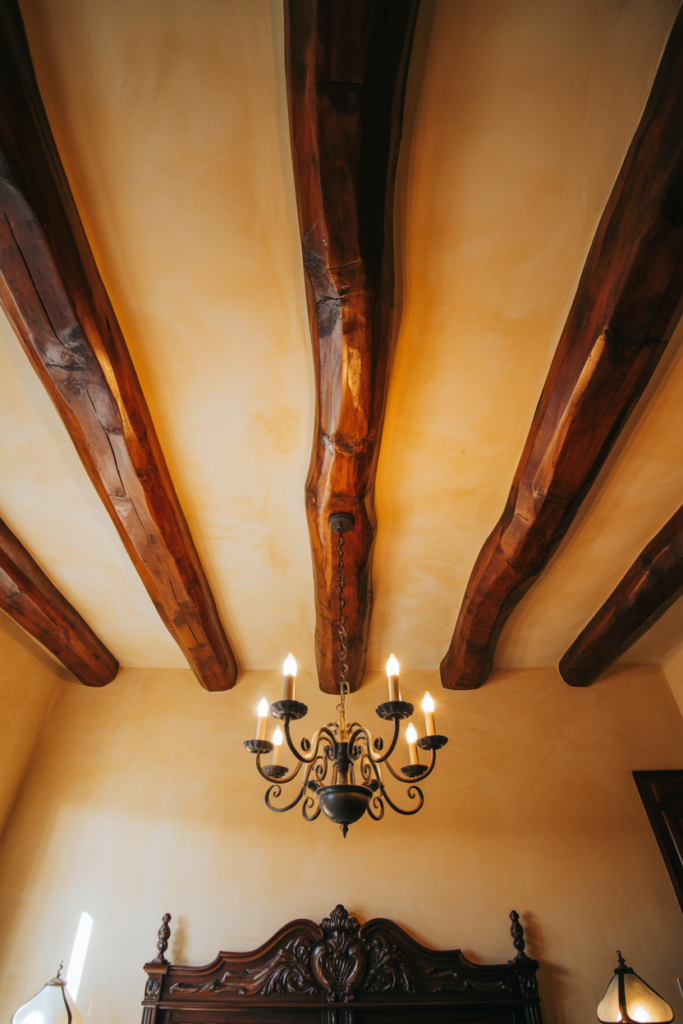
Nothing signals Tuscan farmhouse authenticity quite as immediately as exposed timber ceiling beams, and the 2000s Tuscan bedroom embraced them wholeheartedly. Dark-stained or naturally aged timber beams running across the ceiling add a structural drama and rustic warmth that no other ceiling treatment can replicate. They draw the eye upward, add genuine architectural character, and make the whole room feel more substantial and considered.
The good news for modern homeowners is that genuinely installing structural beams is no longer the only option. Lightweight faux timber beams in polyurethane or foam that convincingly replicate the look of real aged wood are widely available and can be installed by a reasonably competent DIY enthusiast over a weekend. The visual result from floor level is genuinely impressive, and the weight and cost savings over real timber are significant. I have seen rooms where the faux beams were completely indistinguishable from genuine timber at normal viewing distance.
Dark espresso-stained beams suit a richer, more dramatic Tuscan bedroom direction. Naturally aged grey or mid-brown beams create a slightly lighter, more relaxed farmhouse Tuscan atmosphere. Both work beautifully against a terracotta or warm ochre ceiling. The beams look best when they run in the same direction as the longest dimension of the room, creating a sense of depth and perspective that reinforces the generous, villa-like quality of the Tuscan bedroom aesthetic.
4. Add Wrought Iron Bedroom Accessories and Light Fixtures That Bring Authentic Tuscan Artisan Craftsmanship Indoors
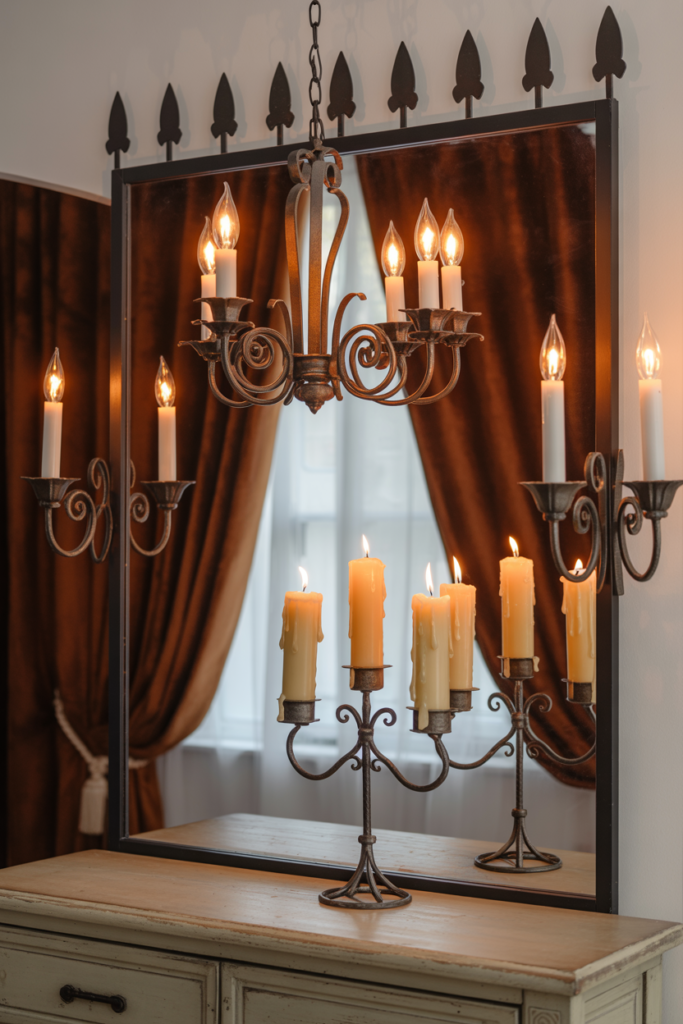
Wrought iron was everywhere in the 2000s Tuscan bedroom, and it earned its place. Wrought iron chandeliers, candle sconces, curtain rods, bed frames, mirror frames, and decorative accessories all contributed to the artisan, handcrafted quality that defined the Tuscan interior style. The material has a natural warmth and an aged, slightly rough quality that mass-produced polished metals simply cannot replicate, and it connects the bedroom to the long tradition of Italian blacksmithing and metalwork.
A wrought iron chandelier above the bed or centered in the room is one of the single most impactful additions to a Tuscan bedroom. Even a simple design with candle-style bulbs in a scrolled iron frame immediately establishes the Tuscan atmosphere at the most prominent visual point in the room. Pair it with matching wrought iron wall sconces on either side of the bed for a lighting scheme that feels genuinely coordinated and period-appropriate.
Smaller wrought iron accessories like candle holders, picture frames, decorative wall pieces, and curtain hardware add up quickly in a Tuscan bedroom and create a consistent material story throughout the space. The key is choosing pieces with a hand-forged rather than machine-made quality. Slightly imperfect, slightly rough, and genuinely dark rather than shiny is the aesthetic direction that suits the Tuscan bedroom best and distinguishes it from mere imitation.
5. Layer Rich Textiles Including Velvet, Brocade, and Linen Bedding to Create the Sumptuous Tuscan Bed of Your Dreams
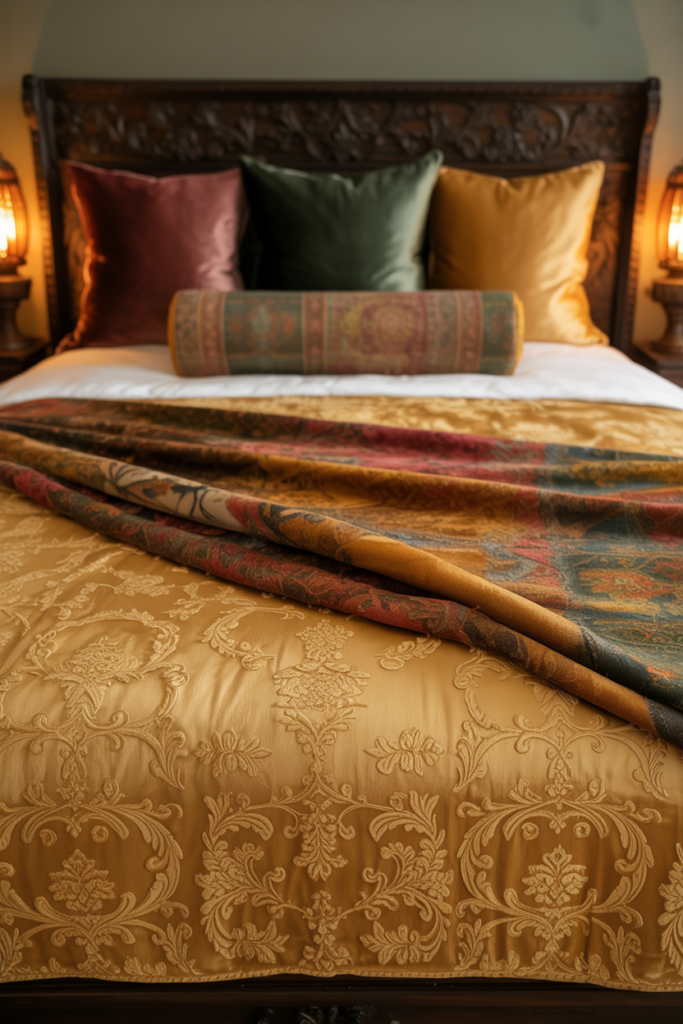
The bed in a 2000s Tuscan bedroom was never a simple, minimal affair. It was layered, rich, and genuinely sumptuous in a way that felt deliberately indulgent. A heavy brocade or damask duvet cover in deep wine, gold, or terracotta tones over crisp linen sheets, finished with velvet cushions in complementary jewel tones and a decorative bolster pillow across the front, created a bed that looked like it belonged in an Italian villa rather than a suburban bedroom. And that was entirely the point.
Recreating this layered textile approach today is actually more accessible than it was in the 2000s because the range of available fabrics in Tuscan-appropriate tones and textures has expanded significantly. Warm linen in terracotta and ochre tones, velvet cushions in deep burgundy and forest green, and woven cotton throws with a tapestry-like pattern all contribute to the Tuscan bed aesthetic without requiring the expensive brocade and damask that the original style relied on heavily.
The bolster pillow deserves a specific mention because it was such a defining element of the 2000s Tuscan bedroom bed styling. A long cylindrical bolster in a rich fabric across the front of the cushion arrangement added a formal, old-world quality to the bed that immediately read as Tuscan rather than generic. Bringing the bolster back is one of the fastest and most affordable ways to signal a genuine Tuscan bedroom aesthetic, and it costs very little to execute well.
6. Use Faux Fresco or Venetian Plaster Wall Techniques to Create Authentic Tuscan Texture and Depth on Every Wall
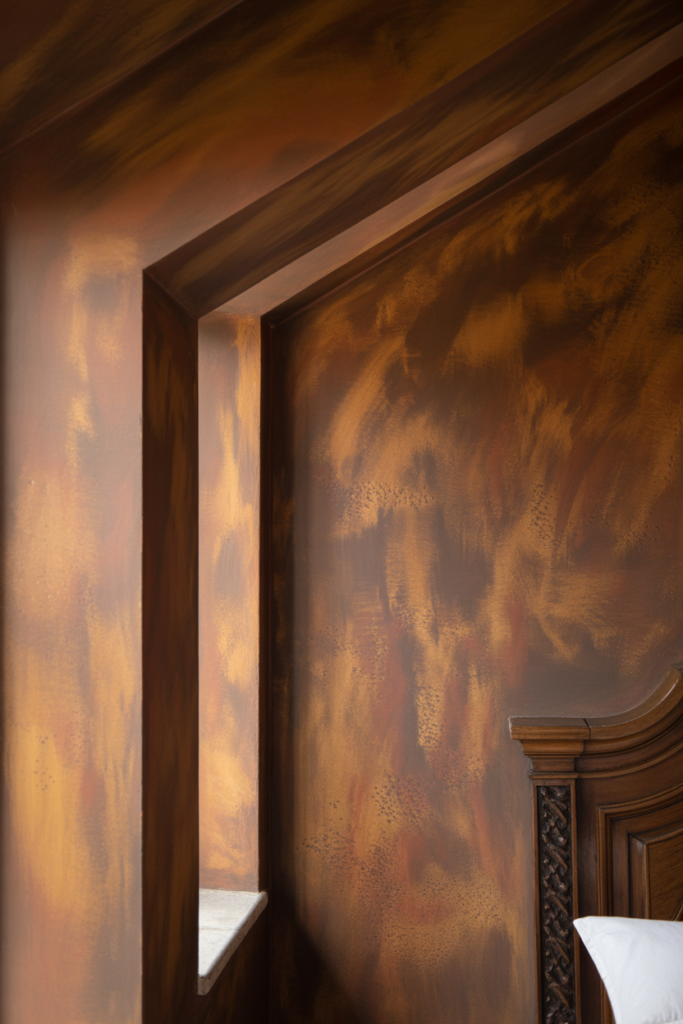
Faux fresco and Venetian plaster wall finishes were practically synonymous with the 2000s Tuscan bedroom, and they remain two of the most effective wall treatments available for creating a genuine Tuscan atmosphere. The slightly uneven, layered quality of a Venetian plaster finish catches light differently throughout the day and creates a wall surface that feels genuinely aged and handcrafted rather than freshly painted and flat. That depth and variation are exactly what Tuscan interior design is built on.
Venetian plaster in a warm terracotta, aged gold, or burnt sienna tone applied over a slightly darker base coat creates the most authentically Tuscan wall result. The technique involves applying multiple thin layers of plaster and burnishing the surface to create a subtle sheen that looks genuinely like aged Italian stucco. It is not a beginner DIY project, but a skilled plasterer or decorative painter can transform a bedroom wall in a day, and the result is genuinely spectacular in a warm Tuscan palette.
Faux fresco techniques using layered paint washes in warm, earthy tones are a more accessible alternative that still delivers a significant Tuscan atmosphere. The sponging and color washing techniques that were so popular in the early 2000s Tuscan bedroom look surprisingly fresh when executed in the right tones. Warm terracotta over a golden base, or a warm ochre wash over a cream undercoat, creates the kind of layered wall color that photographs beautifully and looks genuinely hand-finished in person.
7. Incorporate Terracotta Floor Tiles or Stone Effect Flooring to Complete the Authentic Tuscan Villa Floor Aesthetic
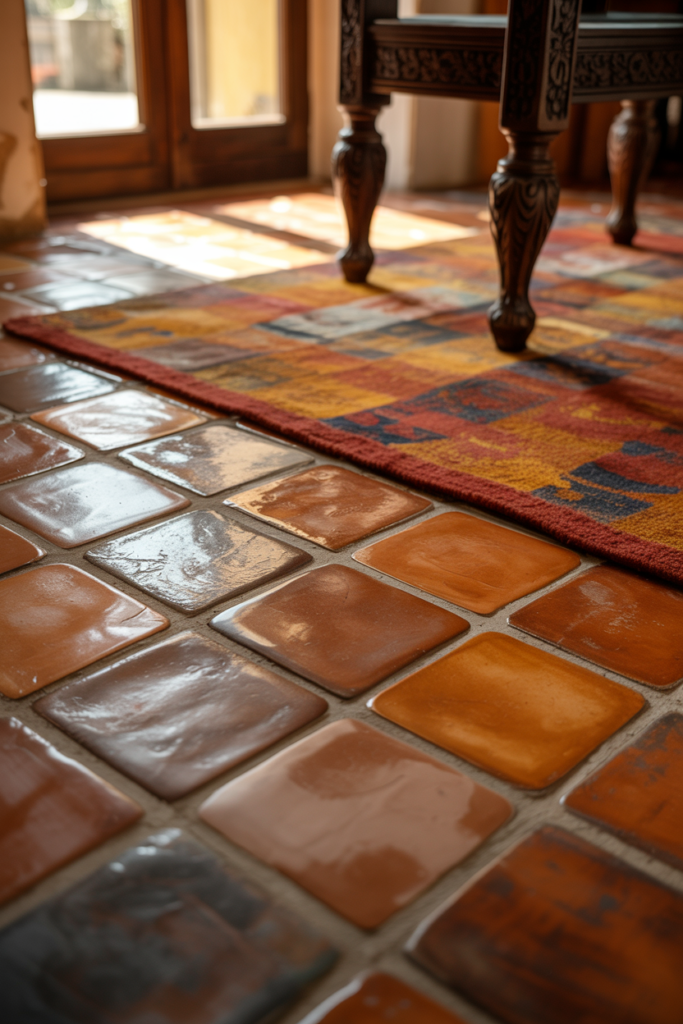
Terracotta floor tiles were the default flooring choice for a 2000s Tuscan bedroom, and with good reason. The warm, earthy, slightly uneven quality of genuine terracotta tile creates a floor surface that feels genuinely connected to the Italian countryside aesthetic that Tuscan interior design draws from. The natural variation in tone and texture across handmade terracotta tiles adds character to the floor that machine-made tiles simply cannot replicate, and it grounds the whole room in a warmth that timber or carpet floors approach but rarely match.
Genuine terracotta tiles are still available and still look spectacular in a Tuscan bedroom. Sealing them properly with a penetrating sealer prevents staining and makes them practical for daily bedroom use without diminishing their natural character. For a slightly warmer and easier-maintenance alternative, large-format porcelain tiles in a convincing terracotta or warm stone effect deliver a similar visual result with significantly less ongoing care. The best porcelain terracotta-effect tiles have genuine surface texture and tonal variation that makes them genuinely difficult to distinguish from natural tile.
If a full tile floor is not practical in an existing bedroom, a large terracotta or warm stone effect area rug over timber or carpet flooring delivers a significant portion of the visual warmth that Tuscan bedroom flooring provides. Layering a richly patterned wool or kilim rug over a terracotta tile base, which was very common in the 2000s Tuscan bedroom, adds even more warmth and pattern to the floor and creates a layered, genuinely villa-like quality underfoot.
8. Hang Heavy Draped Curtains in Rich Warm Tones to Frame the Windows With Genuine Tuscan Bedroom Drama
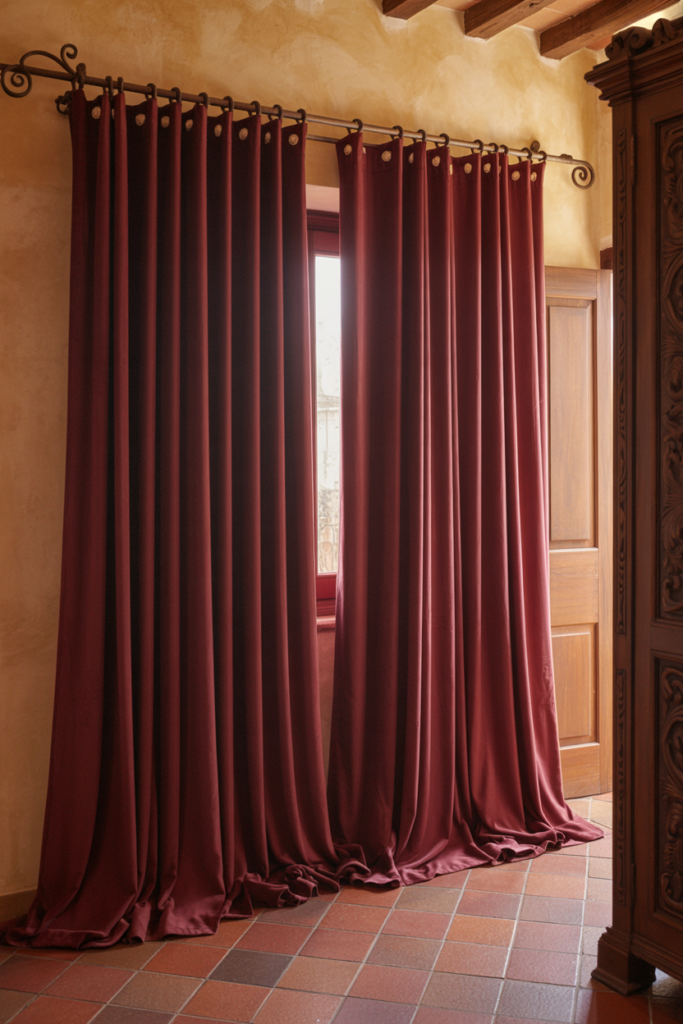
Window treatments in a 2000s Tuscan bedroom were never subtle, and that was entirely deliberate. Heavy floor-to-ceiling curtains in rich jewel tones like deep burgundy, warm gold, forest green, and aged terracotta framed bedroom windows with a dramatic generosity that immediately communicated Italian villa luxury. The fabric weight, the generous pooling at the floor, and the ornate curtain hardware all contributed to a window treatment that felt genuinely theatrical in the best possible sense.
Recreating this window treatment approach today requires choosing fabrics with genuine weight and richness. Velvet in a deep wine or warm gold tone, heavy linen in a warm terracotta, and woven jacquard in an earthy pattern with multiple warm tones all suit the Tuscan bedroom window treatment perfectly. The curtains should always be full-length, always generously full in their gathering, and always hung as high as possible to maximize the sense of ceiling height and drama that the Tuscan style demands.
Wrought iron curtain rods with scrolled or spear-tip finials were the hardware of choice in the 2000s Tuscan bedroom, and they remain the most authentic option for a Tuscan revival today. The dark metal of the rod and rings contrasts beautifully with warm-toned curtain fabric and adds another layer of the Tuscan material palette to the window wall. Aged brass or oil-rubbed bronze alternatives also work well if wrought iron proves difficult to source in the right profile.
9. Place a Large Ornate Mirror With a Carved or Wrought Iron Frame to Add Space and Old World Tuscan Elegance
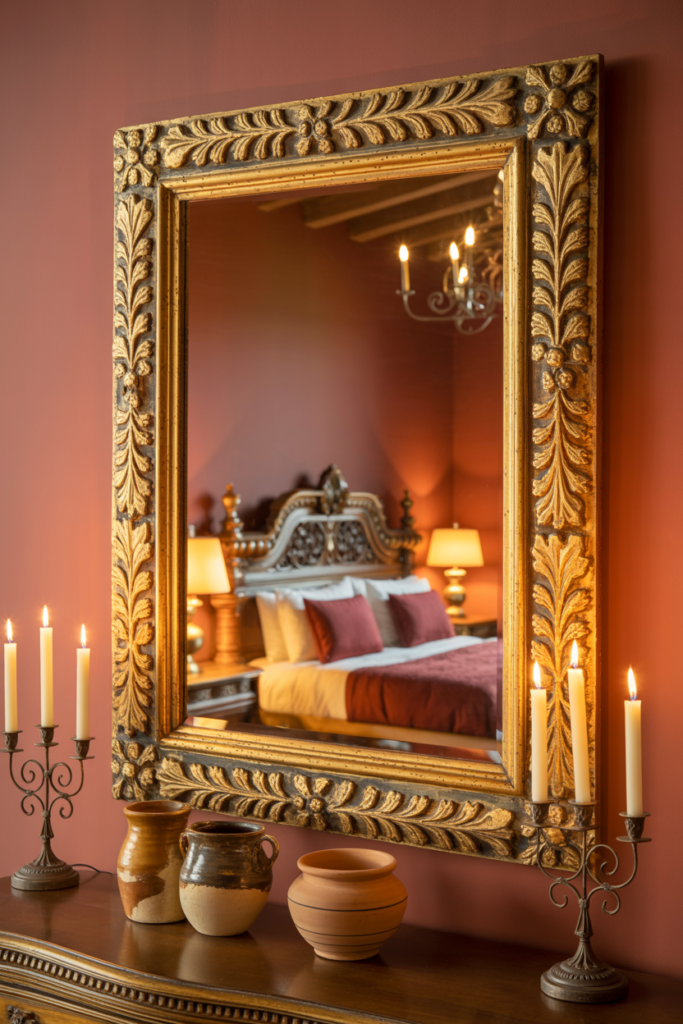
A large ornate mirror was a near-universal feature of the 2000s Tuscan bedroom, and it served both functional and aesthetic purposes beautifully. The mirror amplified natural light in rooms with warm, deep wall colors that could otherwise feel a little heavy. The frame, whether carved dark timber, gilded wood, or wrought iron, added another layer of artisan detail to the room and reinforced the old-world Italian aesthetic that the whole space was working toward.
A leaning floor mirror in a heavy carved frame positioned against the main bedroom wall or beside the wardrobe creates an immediate focal point while adding the practical benefit of a full-length dressing mirror. In the 2000s Tuscan bedroom, these mirrors were often quite large and quite ornate, with gilded or darkly stained frames featuring scroll, leaf, and floral carving motifs. That scale and ornamentation suited the richness of the overall aesthetic and prevented the mirror from disappearing into the busy visual landscape of the room.
For a more restrained but equally Tuscan approach, a rectangular mirror in a simple wrought iron frame hung above the dresser creates a cleaner focal point that still delivers the material authenticity of the style. Pairing it with a pair of wrought iron candle sconces on either side creates a symmetrical dresser vignette that feels genuinely considered and period-appropriate without requiring an overly ornate frame to do the design work.
10. Display Tuscany-Inspired Artwork and Decorative Pottery to Add Cultural Warmth and Personality to the Room
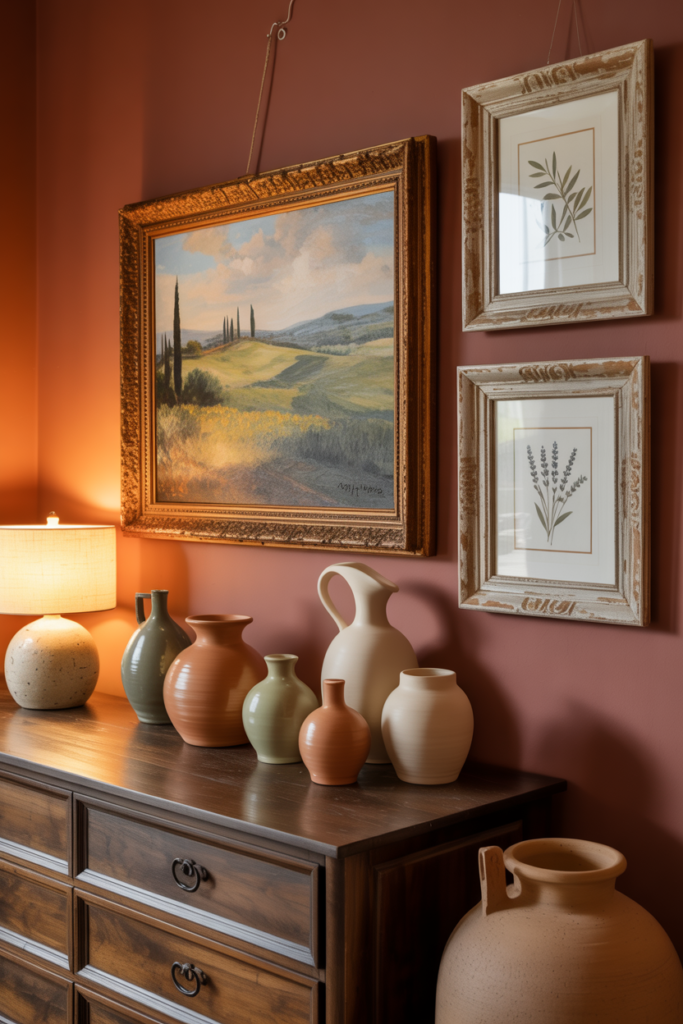
Artwork and decorative objects in a 2000s Tuscan bedroom always told a story about place and culture. Reproductions of Renaissance paintings in heavy gilt frames, landscape paintings of the Tuscan countryside, ceramic pottery in warm earthy glazes, and decorative urns and vessels in terracotta and aged stone finishes all contributed to a bedroom that felt genuinely collected and culturally connected rather than merely decorated from a catalogue.
Tuscan-inspired artwork works best in a bedroom when it is displayed with confidence rather than timidity. A large landscape painting of rolling Tuscan hills or a vineyard scene in a heavy ornate gilt frame hung prominently above the bed or dresser immediately establishes the cultural reference point of the whole room. Smaller prints or reproductions grouped in a loose arrangement on one wall add personality without requiring a single large investment piece.
Decorative pottery is one of the most accessible and genuinely satisfying ways to bring Tuscan cultural warmth into a bedroom. Large ceramic urns in warm terracotta and aged green glazes, decorative plates displayed on the wall in a traditional Italian manner, and simple hand-thrown pottery vessels on the dresser or windowsill all contribute to the Tuscan material palette without requiring significant expenditure. Italian ceramics from Deruta, Siena, and the surrounding regions are widely available online and add genuine cultural authenticity to the room.
11. Bring in a Wrought Iron or Dark Timber Canopy Bed Frame to Create the Most Romantic Tuscan Bedroom Centerpiece
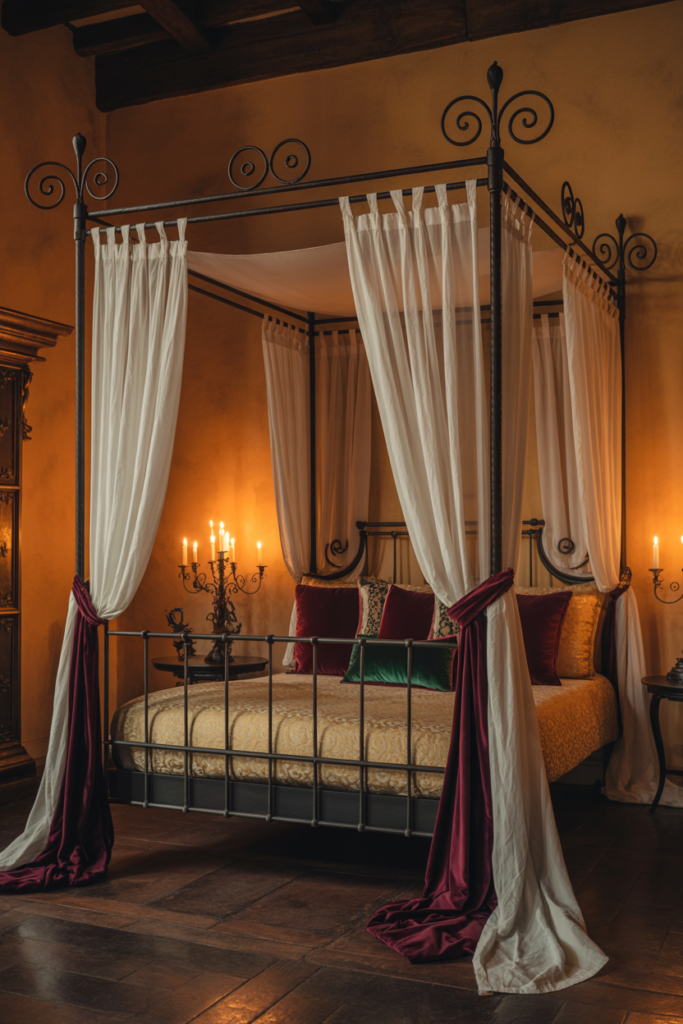
A canopy bed was the ultimate Tuscan bedroom statement piece in the 2000s, and it remains one of the most dramatically romantic bedroom additions available today. A four-poster canopy frame in dark wrought iron or heavily carved dark timber immediately transforms a bedroom into something that feels genuinely special and intentionally luxurious. It creates a room within a room, a defined sleeping zone that feels sheltered, intimate, and deeply romantic in a way that a standard bed frame simply cannot achieve.
The canopy treatment in a 2000s Tuscan bedroom was typically rich and generously draped. Heavy fabric panels in warm jewel tones hung from the canopy frame, creating a sense of enclosure and warmth that made the bed feel like a genuinely private retreat. Sheer panels in a warm cream or aged gold tone layered under heavier fabric added a softness and romance to the canopy that suited the Tuscan aesthetic beautifully. This layered approach to the canopy dressing created a bed that looked genuinely spectacular from every angle.
Modern versions of the wrought iron canopy bed are widely available across a range of price points, which makes this centerpiece more accessible than it might appear. A simple rectangular iron canopy frame in a flat black or oil-rubbed bronze finish can be dressed up significantly with the right fabric treatment. Even a basic canopy frame dressed with warm linen panels and a richly patterned throw across the foot of the bed delivers a strong Tuscan bedroom statement at a very reasonable cost.
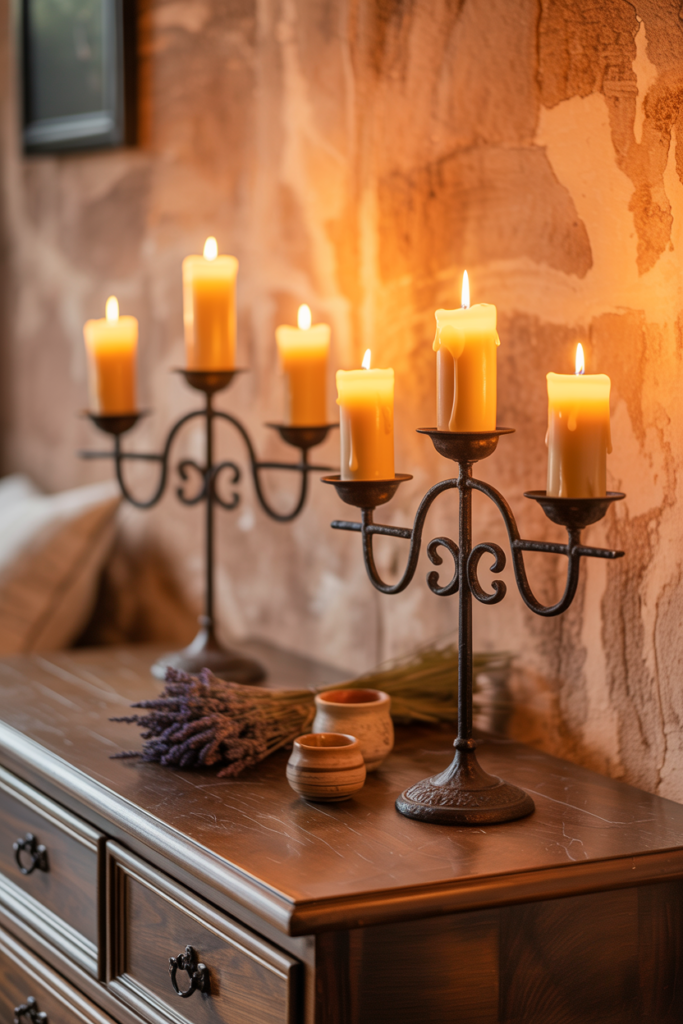
12. Add Warm Candlelight and Iron Candelabras Throughout the Room for the Most Atmospheric Tuscan Bedroom Lighting
Lighting in a 2000s Tuscan bedroom was always warm, layered, and deeply atmospheric. The style leaned heavily on candlelight, both real and simulated through candle-style light fittings, to create the soft, flickering warmth that electric overhead lighting simply cannot replicate. Iron candelabras on the dresser and bedside tables, wrought iron wall sconces with candle-style bulbs, and a substantial iron chandelier overhead all worked together to create a lighting environment that felt genuinely romantic and old-world.
Real candles in a bedroom require sensible placement and a degree of care, but the atmospheric payoff is genuinely worth it. A pair of tall iron candelabras on the dresser holding three or five pillar candles each creates a warm, flickering focal point that transforms the room completely in the evening. Scented candles in warm, earthy fragrances like sandalwood, cypress, and fig add a sensory layer to the Tuscan atmosphere that reinforces the whole aesthetic on a level that goes beyond the purely visual.
For the main bedroom lighting, a wrought iron chandelier with candle-style Edison bulbs in a warm amber output creates the most authentically Tuscan overhead light quality. Dimmer switches on every lighting circuit are not optional in a Tuscan bedroom; they are genuinely necessary for achieving the atmospheric transition from functional daytime light to romantic evening warmth. A Tuscan bedroom at full dimmer on a winter evening with real candles burning on the dresser is genuinely one of the most beautiful interior experiences available in a residential home.
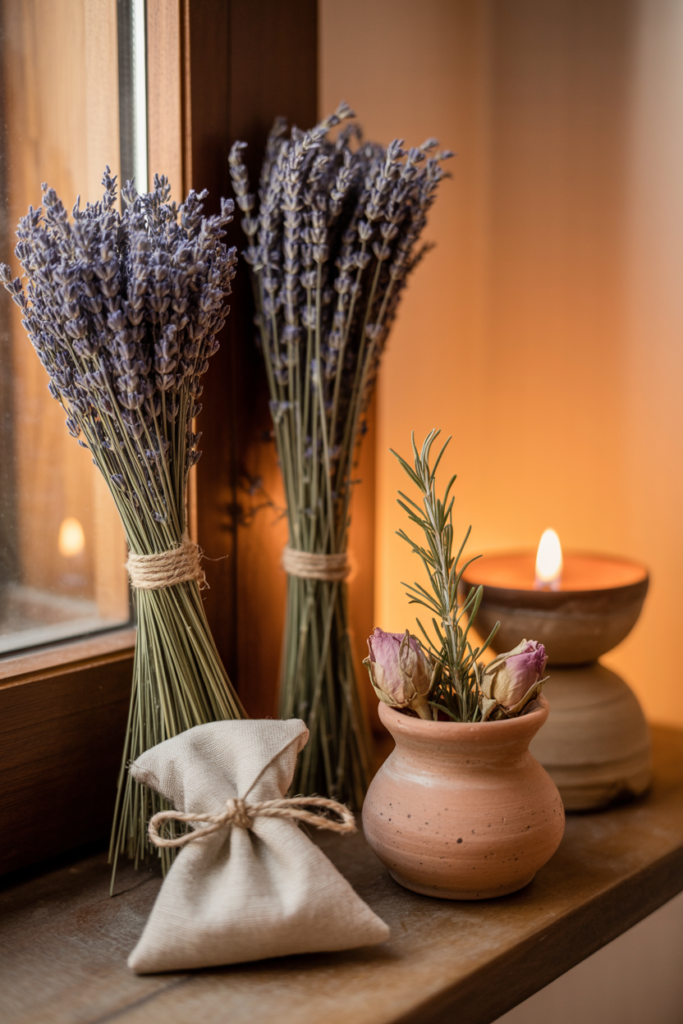
13. Style the Room With Tuscan-Inspired Scents Using Dried Herbs, Lavender, and Warm Earthy Fragrance Elements
The sensory experience of a Tuscan bedroom goes well beyond what you can see, and the 2000s version understood this instinctively. Dried lavender bundles tied with twine and hung from the timber beams, small linen sachets filled with rosemary and dried herbs tucked into the linen cupboard, and ceramic oil burners with warm Mediterranean fragrance blends all contributed to a bedroom atmosphere that engaged the sense of smell as deliberately as the visual palette engaged the eyes.
Dried floral arrangements in warm, earthy tones sit perfectly within the Tuscan bedroom aesthetic while adding fragrance and organic texture simultaneously. A large dried arrangement of lavender, wheat, and dried rose stems in a terracotta or aged ceramic vase on the dresser or in a bedroom corner creates a genuinely beautiful decorative element that also performs an atmospheric function. These arrangements last significantly longer than fresh flowers and suit the aged, timeless quality of the Tuscan style far better.
Fragrance in a Tuscan bedroom works best when it is subtle and warm rather than sharp or overtly floral. Earthy, woody, and herbal fragrance directions like sandalwood, cedar, vetiver, rosemary, and bergamot all evoke the Tuscan landscape without being literal about it. A quality reed diffuser in one of these fragrance families positioned discreetly on the bedside table or dresser, maintains a consistent, gentle background scent throughout the day that contributes to the overall immersive quality of the Tuscan bedroom experience.
14. Incorporate Rich Jewel-Toned Accent Colors Like Burgundy, Gold, and Forest Green to Complete the Full Tuscan Color Story
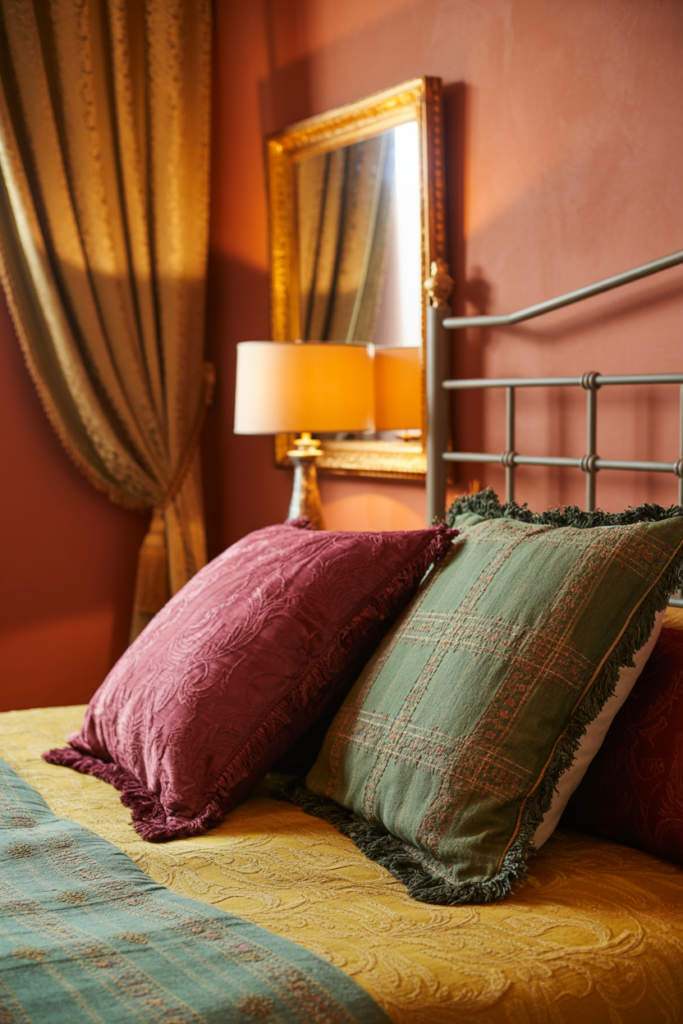
The Tuscan bedroom palette of the 2000s was never a one-color story. The terracotta and ochre wall tones provided the warm foundation, but the jewel-toned accents in deep burgundy, aged gold, forest green, and dusty blue were what gave the room its genuine richness and complexity. These accent colors appeared in the curtain fabric, the cushion covers, the bedding details, the artwork frames, and the decorative accessories, and together they created a color story that felt genuinely layered and considered rather than simply painted one warm tone.
Burgundy is the single most consistently Tuscan of all the accent colors because it references the wine culture, the aged frescoes, and the rich ecclesiastical textiles of the Italian region so directly. A pair of deep burgundy velvet cushions on a gold-toned brocade bedspread, or burgundy curtain panels against terracotta walls, creates an immediate and unmistakable Tuscan atmosphere. The tone works beautifully at every scale from a single cushion to a full curtain treatment.
Aged gold deserves particular attention as a Tuscan accent color because it bridges the warm wall tones and the jewel-toned accents so naturally. Gold picture frames, gold curtain hardware, gold-glazed ceramic accessories, and gold thread in patterned textiles all add a warmth and luminosity to the Tuscan bedroom that other metallic tones cannot match. It is a color that genuinely looks better in candlelight than in daylight, which makes it a particularly perfect choice for a bedroom that you want to feel genuinely magical in the evening.
15. Create a Dedicated Sitting Area With a Carved Timber Bench or Upholstered Chair for a True Tuscan Villa Bedroom Feel
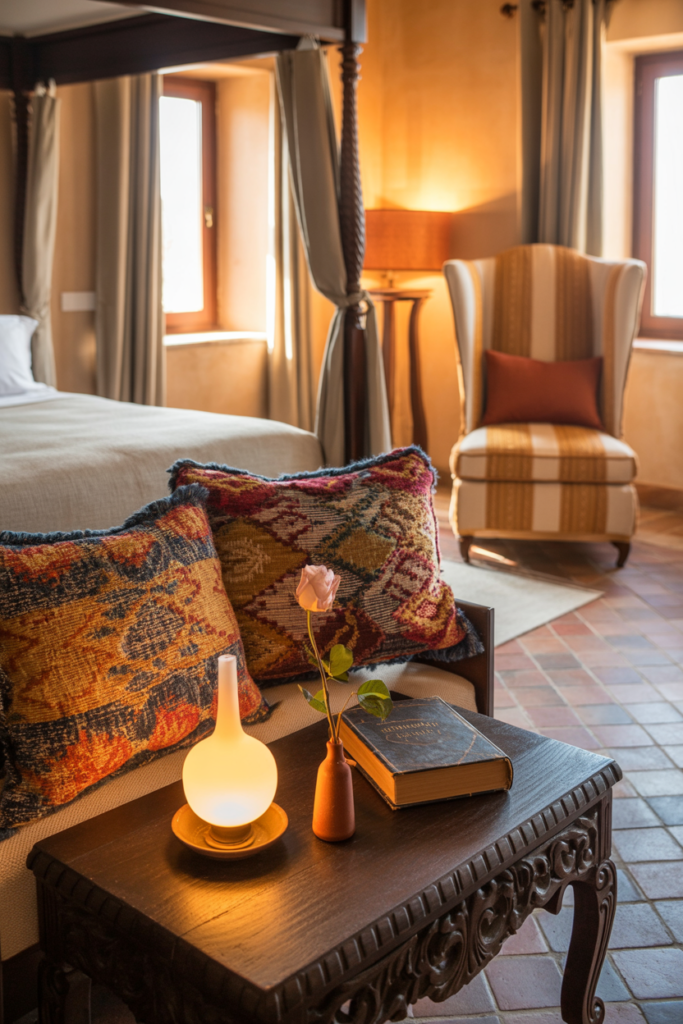
A sitting area within the bedroom was a hallmark of the more generously proportioned 2000s Tuscan bedroom, and it added a layer of considered luxury that elevated the whole room beyond a purely functional sleeping space. A carved timber bench at the foot of the bed with a richly patterned cushion, or a pair of upholstered armchairs in warm fabric beside a small side table near the window, created a bedroom that felt genuinely multi-functional and genuinely villa-like in its sense of generous living space.
The bench at the foot of the bed is the most practical and space-efficient version of this sitting area concept for smaller bedrooms. A carved dark timber bench with a cushion upholstered in a warm tapestry or brocade fabric suits the Tuscan aesthetic perfectly while serving the genuinely practical daily function of a place to sit while putting on shoes or laying out clothes. It adds a formal, considered quality to the foot of the bed that also visually anchors the whole bed composition within the room.
For larger bedrooms with the floor space to accommodate it, a pair of armchairs in a warm upholstery fabric positioned by the window with a small wrought iron or carved timber side table between them creates a genuinely inviting sitting zone that makes the bedroom feel significantly more like a private suite than a single-purpose sleeping room. A small tray on the side table with a candle, a book, and a simple ceramic vessel completes the vignette with the layered, collected quality that the Tuscan bedroom style always delivered at its best.
How to Bring the Best of the 2000s Tuscan Bedroom Style Into a Modern Home Without It Feeling Dated or Overdone
The most important principle in reviving the 2000s Tuscan bedroom style for a contemporary home is restraint in the execution rather than restraint in the ambition. The full 2000s Tuscan bedroom could tip into theatrical excess when every element was pushed to its maximum, and the modern revival benefits from editing that impulse while preserving the warmth, richness, and romance that made the style so appealing in the first place. Choose three or four of the core Tuscan elements and execute them beautifully rather than attempting all fifteen simultaneously.
Wall color and lighting are the two highest-impact starting points for a Tuscan bedroom revival because they change the fundamental atmosphere of the room most dramatically. A warm terracotta or ochre wall color combined with genuinely warm, layered, dimmable lighting transforms even a modest bedroom into something that feels genuinely Tuscan in its atmosphere. Everything else you add after that, the textiles, the furniture, the accessories, builds on a foundation that is already doing the essential atmospheric work.
Mixing the Tuscan elements with some contemporary simplicity actually produces a more livable and more genuinely beautiful result than a full period recreation. A warm terracotta Venetian plaster wall behind a clean-lined timber bed dressed in warm linen bedding with a single carved timber side table and a wrought iron wall sconce creates a bedroom that reads as Tuscan in character while feeling genuinely current in its restraint. That balance between old-world warmth and contemporary clarity is where the 2000s Tuscan bedroom revival is most satisfying to live with day to day.
Conclusion: 15 Tuscan Bedroom Design Ideas That Prove Warm, Romantic, and Character-Rich Interiors Never Really Go Out of Style
The 2000s Tuscan bedroom was never really just a trend. It was an expression of a genuine human appetite for warmth, beauty, craftsmanship, and a sense of romantic connection to something older and richer than the present moment. That appetite has not gone anywhere, and the elements that satisfied it so effectively in the early 2000s, the terracotta walls, the dark timber furniture, the wrought iron details, the layered textiles, and the candlelit atmosphere, still deliver the same emotional warmth today.
From painting the walls in a rich terracotta tone and installing exposed timber ceiling beams, to layering sumptuous jewel-toned textiles on a carved timber canopy bed and filling the room with the warm scent of lavender and sandalwood, every idea in this list contributes to a bedroom that feels genuinely alive with character and comfort. The Tuscan bedroom style rewards the effort you put into it with a room that you genuinely love spending time in, which is the highest standard any bedroom design can meet.
Start with the wall color and the lighting, add the textiles and the key furniture pieces, and then layer in the accessories and the sensory details over time. The Tuscan bedroom does not need to happen all at once to feel beautiful. Each addition builds on the last, and the whole thing comes together with a warmth and richness that is genuinely difficult to achieve with any other design style at the same emotional depth.
Frequently Asked Questions
What defines a Tuscan bedroom design style? A Tuscan bedroom draws from the rustic farmhouse and villa interiors of the Tuscany region in Italy, characterized by warm, earthy wall colors, dark carved timber furniture, wrought iron accessories, rich layered textiles, and aged natural materials throughout. The style prioritizes warmth, romance, and a sense of handcrafted authenticity over polished perfection. It creates a bedroom that feels genuinely lived in, culturally connected, and deeply comfortable.
What colors work best in a Tuscan bedroom? Warm terracotta, burnt sienna, aged ochre, and golden yellow are the foundation wall colors of a Tuscan bedroom, with deep burgundy, forest green, and aged gold appearing as rich accent tones in textiles and accessories. These colors reference the sun-baked landscapes, aged frescoes, and wine culture of the Italian Tuscan region directly. Avoiding cool or grey-based tones keeps the palette genuinely warm and authentically Tuscan.
Can a small bedroom work as a Tuscan bedroom design? A small bedroom works beautifully as a Tuscan bedroom when you focus on wall color, lighting, and textiles rather than large furniture pieces. Warm terracotta walls, layered warm-toned bedding, a wrought iron wall sconce, and heavy draped curtains create a strong Tuscan atmosphere in a compact space without requiring large furniture or significant floor area. The key is warmth and richness in the details rather than scale in the furniture.
What type of flooring suits a Tuscan bedroom best? Genuine terracotta tiles are the most authentic Tuscan bedroom flooring choice, followed by large format stone effect porcelain tiles in warm earthy tones and warm timber flooring in a mid to dark stain. A richly patterned kilim or wool area rug over any of these base floors adds warmth, pattern, and the layered quality that Tuscan interior design consistently delivers underfoot. Avoid cool grey tiles or pale blonde timber floors as they work against the warm Tuscan palette.
How do I make a Tuscan bedroom feel romantic without going overboard? Focus on warm candlelight from iron candelabras and sconces, rich, layered textiles on the bed in jewel tones, heavy, draped curtains, and a warm, earthy wall color rather than attempting every Tuscan element simultaneously. A dimmer switch on every lighting circuit is genuinely one of the most impactful romantic bedroom investments available. The romantic quality of a Tuscan bedroom comes from atmosphere rather than ornamentation, so prioritize light and texture over decorative excess.
Is the Tuscan bedroom style expensive to recreate at home? The Tuscan bedroom style covers a very wide budget range, depending on how you approach it. Genuine antique carved timber furniture and natural terracotta tiles represent the higher end of the investment scale, while faux timber ceiling beams, sponged paint finishes, velvet cushions, and iron candle holders deliver a strong Tuscan atmosphere at very accessible price points. Starting with wall color and candle lighting costs very little and delivers an immediate and significant atmospheric shift toward the Tuscan bedroom feel.
What is the difference between Tuscan and Mediterranean bedroom styles? Tuscan bedroom design focuses specifically on the rustic farmhouse and villa aesthetic of the Tuscany region, emphasizing dark carved timber, terracotta, wrought iron, and rich jewel-toned textiles in a warm and slightly formal old-world atmosphere. Mediterranean bedroom style is broader and lighter, often incorporating whitewashed walls, blue accents, and a more coastal, relaxed quality drawn from Greek, Spanish, and coastal Italian influences. Tuscan is warmer, darker, and more ornate, while Mediterranean tends toward lighter, airier, and more casual.