
A large blank wall in the living room is either your biggest design opportunity or your most ignored interior problem. Most people paint it a neutral shade and call it done. But a feature wall? That changes everything.
A feature wall draws the eye the moment you walk in. It sets the mood, adds depth, and gives your living room a personality it didn’t have before. Whether you rent or own, there’s a feature wall idea here that works for your space.
I’ve seen living rooms go from “fine” to jaw-dropping with just one well-designed wall. It doesn’t always require a big budget. Sometimes, it just takes the right idea and a little confidence.
What Makes a Living Room Feature Wall Worth It
A feature wall works because it creates a focal point. Every well-designed room has one, and the living room is the best place to put it to work. It anchors your furniture, gives your decor something to respond to, and makes the space feel intentional.
The wall you choose matters. Most designers recommend the wall your eyes naturally land on when you enter the room. That’s usually the one facing the door or behind the main sofa.
Once you pick the right wall, the rest of the room falls into place more easily. Your furniture arrangement, your lighting choices, your rug placement: they all start to make more sense with a strong feature wall guiding the layout.
7 Living Room Feature Wall Ideas That Actually Work
1. Bold Paint Colors That Command Attention
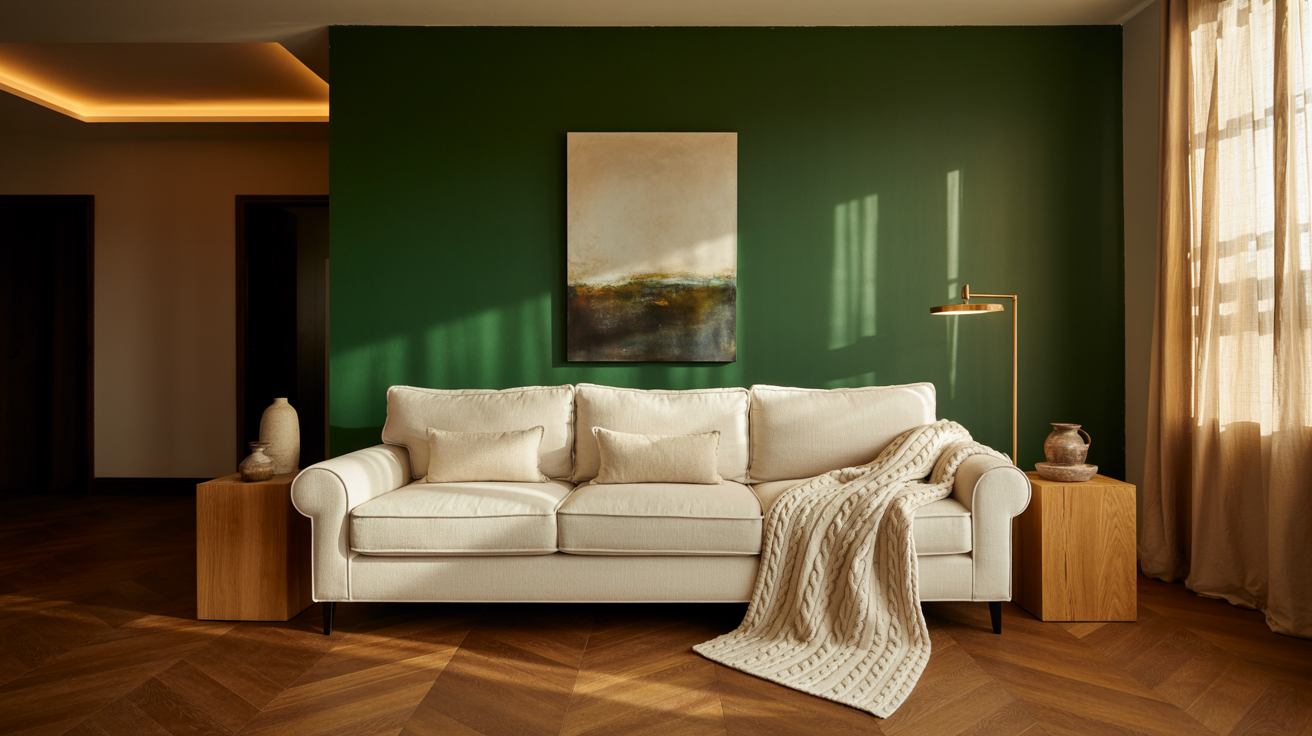
A single wall painted in a deep, saturated color is one of the easiest feature wall ideas you can try. Think forest green, navy blue, terracotta, or charcoal. These shades add richness without overwhelming the entire room.
The trick is to keep the remaining three walls neutral. This contrast is what makes the feature wall pop. A soft white or warm greige on the other walls lets your bold color breathe and shine.
I personally love a deep olive green on a living room feature wall. Pair it with natural wood furniture and warm lighting, and the whole space feels like a luxe boutique hotel. For under $50 in paint, that’s a pretty good return.
2. Textured Wall Panels for a High-End Look
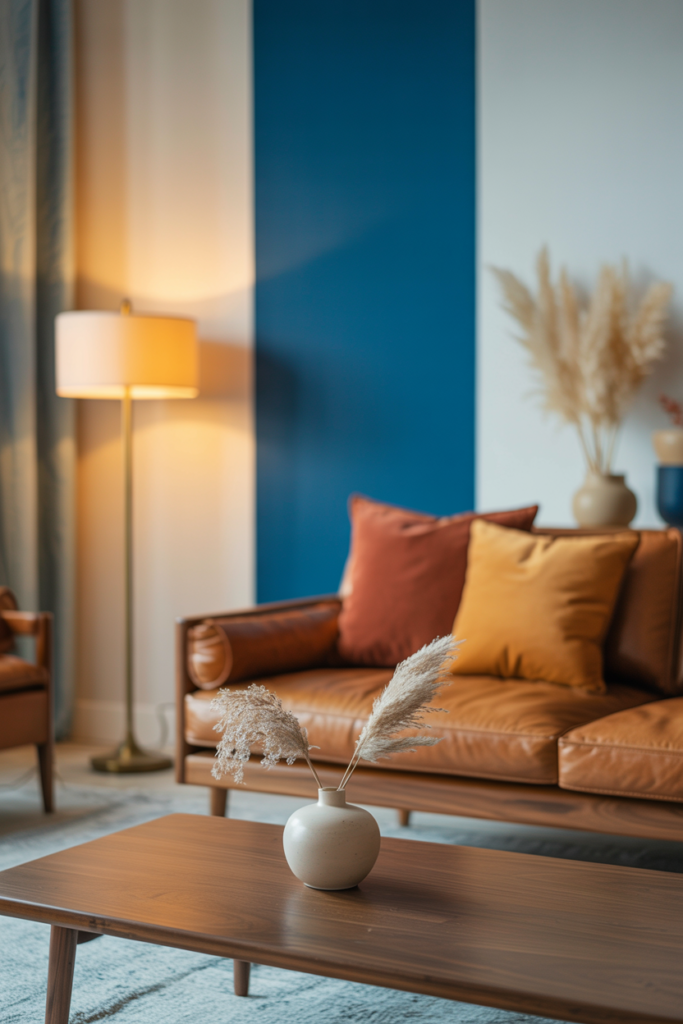
Wall panels are having a serious moment in interior design, and for good reason. They add texture, depth, and architectural interest without any permanent structural changes.
You’ll find panels in MDF, PVC, bamboo, and natural wood veneer. Fluted panels and slat wall panels are especially popular right now. They photograph beautifully and look far more expensive than they actually are.
I’ve seen fluted MDF panels transform a plain living room wall into something that looks straight out of an interior design magazine. Installation is manageable for a confident DIYer, and the result is a wall that gets compliments every single time.
3. Wallpaper Murals for a Statement Nobody Forgets
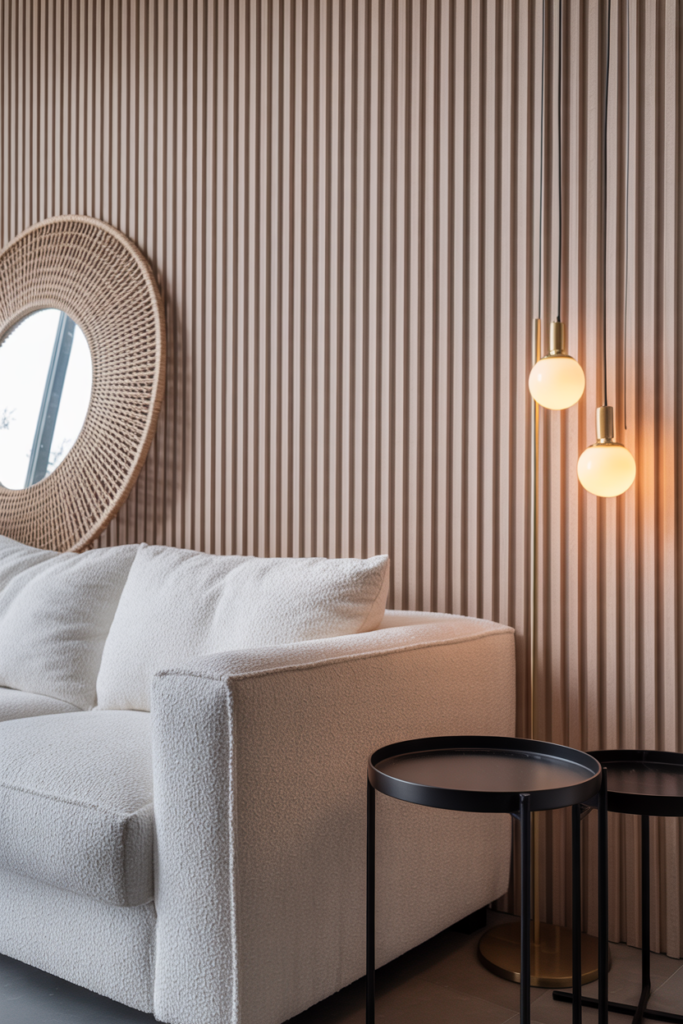
A wallpaper mural turns your feature wall into a piece of art. From botanical prints to abstract brushstrokes to dramatic landscapes, the options today are genuinely stunning.
Peel-and-stick mural wallpapers have made this idea far more accessible. Renters especially love this option because it goes up without damage and comes down just as easily when you move.
Pick a mural that complements your existing color palette. A moody dark floral works beautifully with velvet sofas and brass accents. A soft watercolor landscape pairs well with minimalist, neutral-toned rooms.
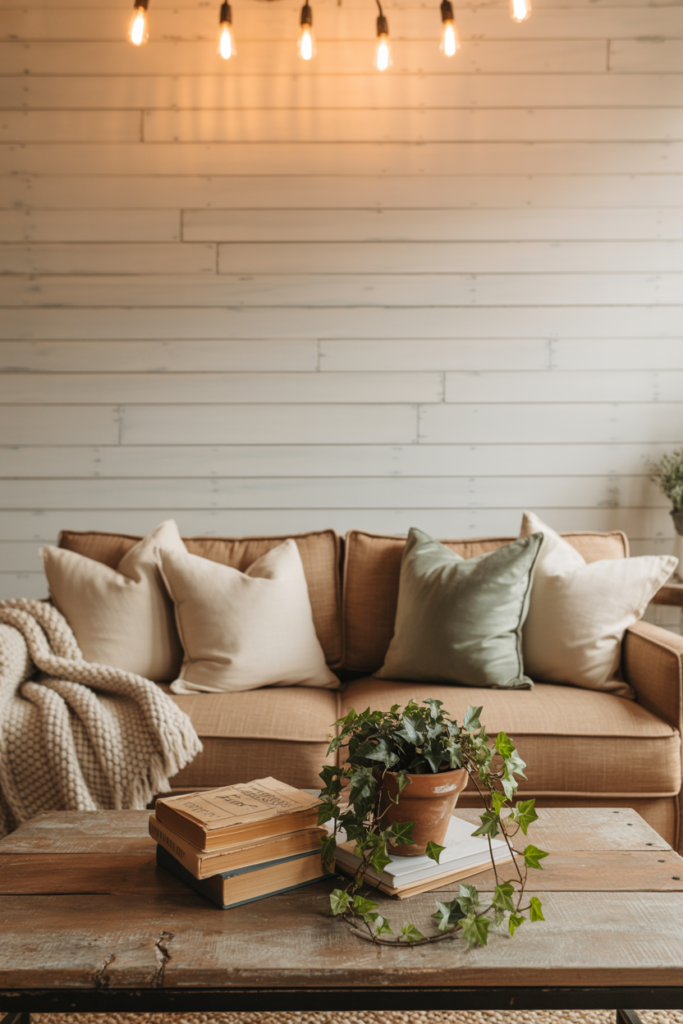
4. Shiplap and Wood Cladding for Warmth
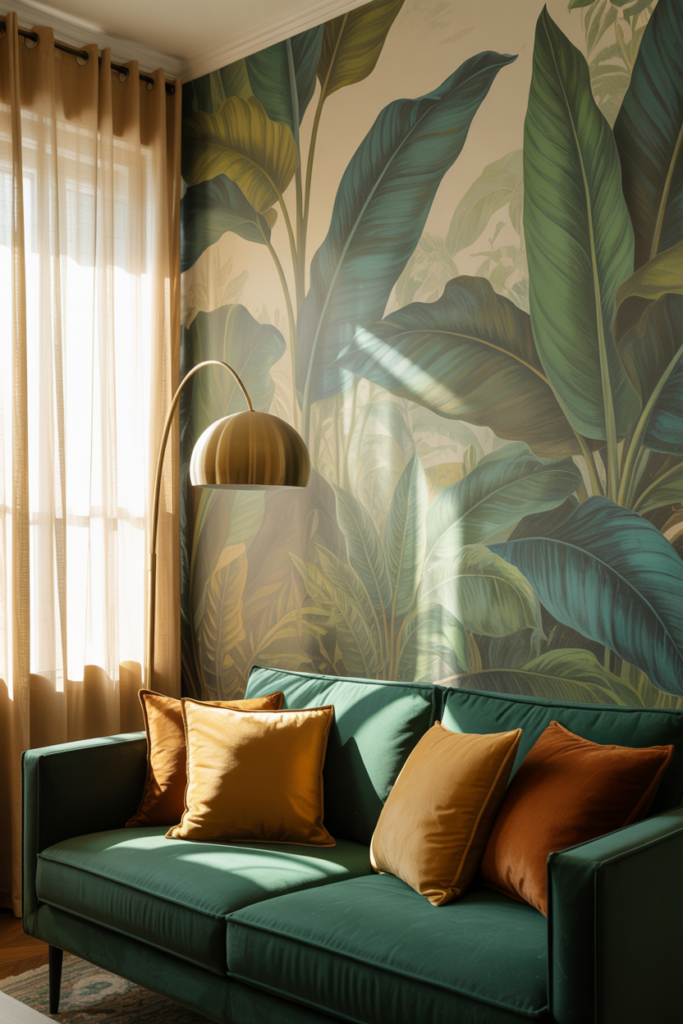
Wood brings warmth to a living room in a way no paint color can fully replicate. Shiplap, reclaimed wood planks, and horizontal wood cladding all make strong, inviting feature walls.
Shiplap gives a clean, slightly rustic look that works in farmhouse, coastal, and even contemporary interiors. Reclaimed wood adds character and a story to your wall, especially in older homes.
Paint your shiplap white for a bright, airy result. Leave it natural for a cabin-inspired feel. Either way, a wood-clad feature wall adds texture and coziness that a flat painted wall simply can’t match.
5. Gallery Walls Done Right
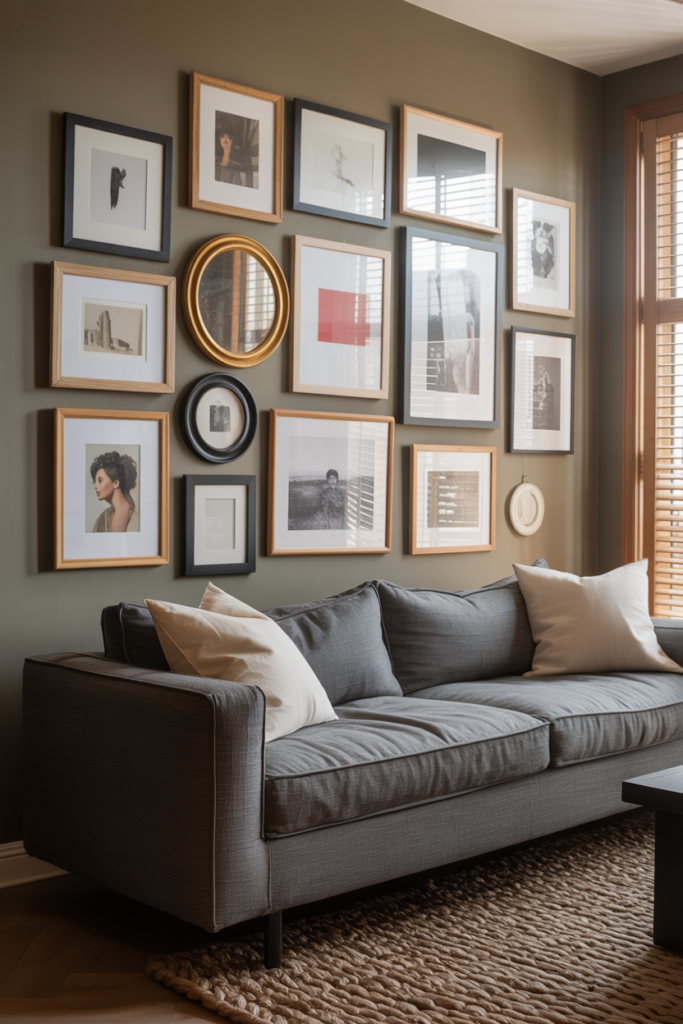
A well-curated gallery wall is a feature wall in its own right. The key word there is curated. Random frames slapped on a wall without a plan look cluttered. A thoughtful arrangement looks like art.
Stick to a cohesive color palette for your frames and artwork. Mix sizes, but keep the visual weight balanced. Lay the whole arrangement out on the floor before you start putting holes in your wall.
I like to anchor a gallery wall with one large central piece and build outward from there. Add a mix of photography, art prints, and maybe a small mirror or two. Done well, this is one of the most personal and affordable feature wall ideas out there.
6. Brick and Stone Veneer for an Industrial or Rustic Touch
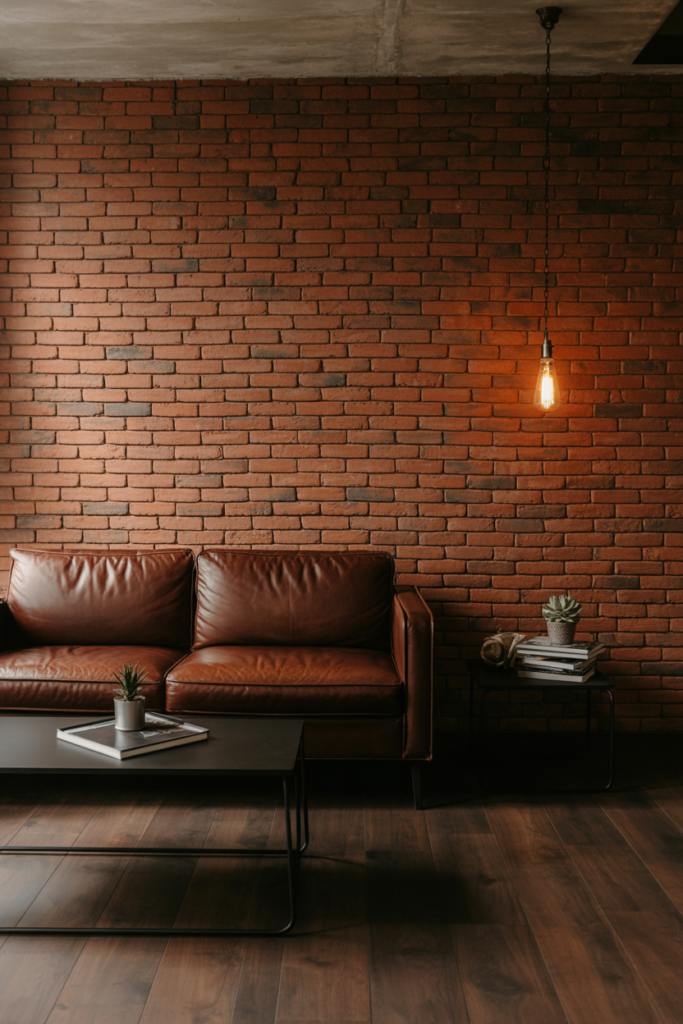
Exposed brick is one of those things people pay extra for in urban apartments. If your walls aren’t naturally blessed with it, brick veneer panels give you the same look without the renovation price tag.
Stone veneer works similarly. It adds raw texture and a sense of permanence to a living room wall. Both materials pair well with leather sofas, metal light fixtures, and dark wood floors.
These panels are heavier than MDF alternatives, so installation requires a bit more effort. But the result is a feature wall that looks like it’s been there for decades. That kind of character is hard to fake with paint alone.
7. Limewash Paint for an Effortlessly Textured Finish
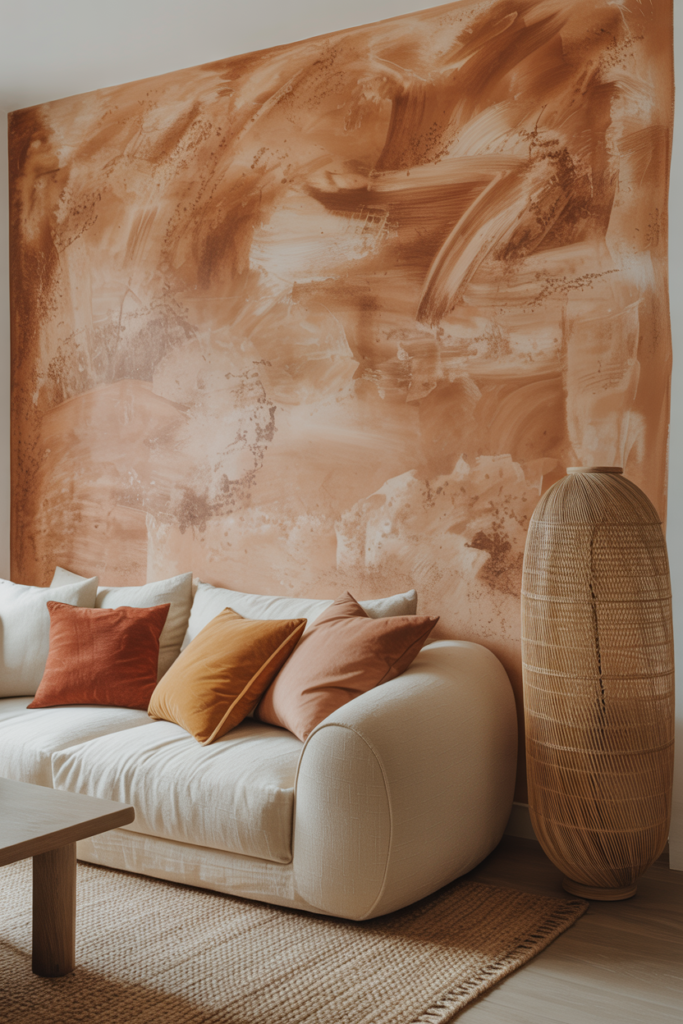
Limewash paint has gone from a niche design trend to a mainstream favorite, and it deserves every bit of the attention. It gives walls a soft, layered, slightly aged finish that looks artisanal and expensive.
Unlike regular paint, limewash has natural depth and movement. No two walls come out exactly the same, which is part of its appeal. It’s the kind of finish that looks better the longer you look at it.
Application is straightforward with a wide brush in irregular strokes. You can hire a painter or do it yourself over a weekend. Either way, the result is a feature wall with real visual texture that photographs beautifully.
How to Choose the Right Feature Wall Idea for Your Living Room
Before you commit to any idea, consider your room’s existing style. A bold geometric pattern suits a modern space. Shiplap feels right at home in a farmhouse or coastal interior. Limewash paint works across almost any style, which is part of why it’s so popular.
Think about permanence too. Renters should look at peel-and-stick wallpaper, temporary panels, and gallery walls. Homeowners have more freedom to explore paint, cladding, and built-ins.
Budget matters, but it’s rarely the deciding factor it seems. Some of the most striking feature walls cost very little. A can of bold paint and a confident hand can do more for a living room than a full furniture refresh.
| Feature Wall Idea | Best For | Approx. Cost | Renter-Friendly |
|---|---|---|---|
| Bold Paint | Any style | Low | Yes |
| Fluted Panels | Modern, Contemporary | Medium | Partly |
| Wallpaper Mural | Any style | Low-Medium | Yes (peel & stick) |
| Shiplap/Wood | Farmhouse, Coastal | Medium | No |
| Gallery Wall | Any style | Low | Yes |
| Brick/Stone Veneer | Industrial, Rustic | Medium-High | No |
| Limewash Paint | Boho, Mediterranean | Low-Medium | No |
| Mirrors | Small spaces, Glam | Medium | Yes |
| Floating Shelves | Modern, Traditional | Medium | Partly |
| Geometric Paint | Contemporary, Eclectic | Low | Yes |
Conclusion
A living room feature wall is one of the highest-impact changes you can make to your home without a full renovation. From bold paint to textured panels, wood cladding to gallery walls, there’s an option for every budget, style, and living situation. The right feature wall anchors your furniture, sets the tone of the room, and turns a flat space into something genuinely memorable. Start with the wall that naturally draws your eye, pick an idea that fits your style and budget, and commit to it fully. Half-measures rarely work in interior design. A decisive, well-executed feature wall always does.
FAQs
Which wall should be the feature wall in a living room? Choose the wall your eyes land on first when you enter the room. This is usually the wall behind the main sofa or the one directly facing the entrance. It’s the most natural focal point in the space.
What is the most affordable living room feature wall idea? Bold paint is the most budget-friendly option. A single can of high-quality paint in a deep or saturated color costs very little but delivers a high visual impact when applied to one well-chosen wall.
Can renters create a feature wall without damaging walls? Yes. Peel-and-stick wallpaper murals, temporary wall panels, and gallery walls using removable hooks are all renter-friendly options that cause no permanent damage to walls.
How do I choose the right color for a painted feature wall? Pick a shade that complements your existing furniture and decor. Deep greens, navies, and terracottas work well in most living rooms. Always test a large swatch on the wall before committing to the full paint job.
Are fluted wall panels hard to install? Most MDF fluted panels come with straightforward installation instructions and can be mounted with adhesive or panel pins. A confident DIYer can complete a standard wall in a day.
What’s the difference between limewash paint and regular paint? Limewash paint is a mineral-based finish that creates a layered, textured appearance with natural depth and variation. Regular paint dries to a flat, uniform finish. Limewash looks more artisanal and handcrafted by comparison.
How many items should go on a gallery wall? There’s no fixed number, but most well-balanced gallery walls include between 5 and 15 pieces. The key is visual balance, not quantity. Lay the arrangement out on the floor first to test the composition before hanging anything.